Petzyo Top Breed Guide
Bernese Mountain Dog

QUICK FACTS
Height: 58-70 cm (males), 55-66 cm (females)
Weight: 40-55kg (males), 35-45 kg (females)
Lifespan: 6-10 years
Coat Type: Long and thick double coat
Colour Variations: Tricolour: black, rust, and white
Energy Level: Moderate
Grooming Needs: High: weekly brushing, seasonal shedding control
- Breed Overview
- Physical & Appearance
- Personality
- Health & Diet
- Grooming & Care
- Cost & Ownership
Bernese Mountain Dog History & Origin
The Bernese Mountain Dog has roots as deep as the Alps themselves. Bred in the cold, rugged hills of Switzerland, they weren’t just farm dogs, they were family. Loyal, dependable, and strong enough to pull a cart yet gentle enough to sit beside a child, Berners were born to work, but they stayed for love.
Where Did They Come From?
Berners trace their lineage back over 2,000 years to mastiff-type dogs brought to the Alps by Roman soldiers. In the harsh mountain climate, these dogs evolved into something special: steady, resilient, and fiercely loyal.
Named after the canton of Bern, they became a quiet backbone of Swiss farm life. Not flashy, just reliable. The kind of dog that did the job and then curled up by the fire without asking for much.

What Were They Bred to Do?
Life on alpine farms demanded versatility, and the Bernese delivered. They pulled carts, herded cattle, and guarded the homestead with calm watchfulness. Cart-pulling was their specialty, a job that required strength, but also an even temperament and trust in their humans. They weren’t bred for speed or aggression, just good old-fashioned hard work and heart.
From Farm Fields to Family Rooms
As tractors replaced muscle and farm life modernised, Berners began to fade from the fields. Thankfully, a few Swiss breeders refused to let them disappear. Their efforts preserved the breed, leading them from working farms to show rings and eventually to homes across the world. The Berner has since traded in work harnesses for couch snuggles, but that quiet loyalty? That’s never changed.
Breed summary
The Bernese Mountain Dog is a large, powerful working breed from Switzerland, easily recognised by its striking black, white, and rust tri-colour coat. Originally bred for farm work, they are strong, capable dogs with a calm, steady presence.
Their temperament is famously gentle and affectionate. They bond closely with their families and are typically patient with children. With strangers, they can be reserved but rarely aggressive when properly socialised. Their size makes early training non-negotiable.
They have a thick double coat built for cold climates, which means heavy shedding year-round and intense coat blows seasonally. Routine brushing is essential, and they cope far better in cooler environments.
Daily exercise is moderate - regular walks, outdoor play, and mental engagement. They enjoy having a “job,” but they are not hyperactive. Their size and growth rate, however, require careful management to protect their joints.
Health is the Berners' biggest challenge. Berners have a shorter-than-average lifespan and are prone to cancer, hip and elbow dysplasia, and other hereditary issues. Owners should prepare for higher vet care commitments.
Bernese Mountain Dogs need a high-quality, balanced diet that supports steady growth, strong joints, and healthy weight management. Large-breed formulas, controlled portions, and nutrient-dense ingredients help reduce strain on their bones and mitigate common health risks.
FAQs About Bernese Mountain Dogs
Is a Bernese Mountain Dog a good family dog?
Yes, they are known for being gentle, patient, and deeply affectionate with families. Their calm nature makes them reliable companions for children when properly socialised.
Are Bernese dogs high maintenance?
Yes, they require regular grooming, structured training, and ongoing health management. Their double coat, size, and predisposition to health issues make them more demanding than the average dog.
How much does a Bernese Mountain Dog puppy cost in Australia?
Bernese Mountain Dog Puppies typically range from $4,000 to $8,000, depending on breeder quality and health guarantees. Costs may rise with imported lines, show-quality parents, or advanced genetic testing.
Are Bernese Mountain Dogs good in Australia?
They can do well in Australia if kept in cooler regions or managed carefully during hot weather. Owners must provide shade, climate control, and restricted exercise during warmer months.
Why are Bernese so expensive?
Their cost reflects limited breeding stock, extensive health testing, and the high expense of raising a large, slow-maturing breed. Responsible breeders invest heavily in genetic screening to reduce the risk of inherited diseases.
Do Bernese Mountain Dogs bark a lot?
They bark moderately and mainly as an alert, not excessively. Most vocalisation is tied to guarding instincts rather than nuisance behaviour.
Coat type
Coat length
Berner Physical & Appearance
You can’t miss a Bernese Mountain Dog; their size, strength, and striking tricolour coat demand attention. Built for the cold and rugged Swiss Alps, they were bred to pull carts, work hard, and stand tall against the elements. With a broad chest, sturdy legs, and a thick, weather-resistant coat, every part of their body tells the story of a true mountain dog: strong, dependable, and deeply rooted in purpose.
Bernese Mountain Dog Colours & Coat Type
There’s something unmistakably beautiful about a Bernese Mountain Dog’s coat: thick, flowing, and made for the cold. Their rich tricolour pattern is the only official variety: deep black paired with warm rust markings and crisp white across the chest, face, and tail tip. It’s classic, bold, and instantly recognisable.
Their double coat is more than just good looks; it’s built to handle harsh weather, with a dense undercoat and a straight to slightly wavy outer layer. But that beauty comes with a price: heavy shedding, especially during seasonal changes. You’ll need to brush them several times a week or daily during coat blow periods, to manage loose fur, prevent mats, and keep their coat (and your home) in good shape.
It’s a little extra work, but for a dog that gives so much love, it’s a small price to pay.
How to Identify a Purebred Bernese?
A purebred Bernese Mountain Dog must display all three of the following:
- Jet Black (Ground Colour): The dominant, solid black base covering the body, neck, head, ears, and upper legs.
- Rich Tan / Rust (Markings): A deep, warm reddish-brown used as accent markings.
- Clean White (Markings): Bright, clear white used in specific, controlled areas.
The coat must be long, shining, straight or slightly wavy. A short coat (Stockhaar) is a disqualifying fault.


Bernese Mountain Dog Mixes & Breed Comparisons
Bernese Mountain Dogs are already full of heart, but some families look to Berner mixes in hopes of keeping that gentle nature while easing the load on grooming, size, or health. It’s not a perfect science. Sometimes the mix brings balance, other times unpredictability. Either way, knowing what you’re getting into and who you’re getting it from matters just as much as the breed itself.

Bernedoodle (Bernese + Poodle)
Often bred for allergy-sensitive homes. They’re more active and require regular grooming, but they still inherit Berner’s gentle nature.

Golden Mountain Dog (Bernese + Golden Retriever)
A social, family-friendly dog that combines the loyalty of a Berner with the playfulness of a Golden. Tends to be softer in energy than a full Golden, but more active than a pure Berner.

Australian Mountain Dog (Bernese + Australian Shepherd)
Adds sharpness and drive. These dogs are more alert, need stimulation, and may be less laid-back than a typical Berner.
Bernese Mountain Dog And Other Breeds
Bernese Mountain Dogs are big; the kind of big you feel when they lean into you for a cuddle. They sit right in the sweet spot between two other popular giants: heavier and more solid than a Golden Retriever, but more agile and light on their feet than a Saint Bernard. With their broad build and steady presence, Berners are the perfect mix of strength and gentleness.
Here’s how they compare to other large breeds:


Bernese vs. Saint Bernard
Saint Bernards are bigger, slower, and droolier. Both are calm and gentle, but Saints tend to be more stubborn and less active. Berners are a bit more agile and usually easier to train.

Bernese vs. Newfoundland
Newfoundlands love water and are built like swimming tanks. Berners aren’t as water-driven but are more alert. Both are sweet and steady, but Newfies tend to be more aloof with strangers.

Bernese vs. Great Pyrenees
The Great Pyrenees is more independent and territorial. Berners stick closer to their people and are easier to manage off-lead. If you want a dog that guards a boundary, go for a Pyrenees. If you want a dog that follows you from room to room, go for a Berner.
Affectionate with family
Good with kids
Social doggos
Playfulness
Bernese Mountain Dog Temperament & Personality
Berners are emotionally steady dogs who stick close without demanding attention. If you leave the room, they’ll follow not out of neediness, but quiet attachment.
Sometimes used as therapy dogs, they’re calm, soft-natured, and deeply loyal. Not aloof, not clingy, just present. While not aggressive, their protective instinct is strong. If there’s trouble, they’ll step between you and it without hesitation. Their size speaks for them.

Bernese Mountain Dogs with Family
In the right home, Bernese Mountain Dogs can be incredible family companions. They’re gentle, affectionate, and deeply connected to their humans, often forming strong bonds with everyone in the household.
Berners are typically wonderful with kids, especially older ones who understand how to respect a dog’s space. They’re patient and soft-natured, but their size means accidents can happen. A happy tail or playful bump can overwhelm a toddler, even with the best intentions. That’s why supervision is key, particularly around younger children.
They thrive in homes with:
- Older children or teens who know how to interact respectfully with dogs
- A calm, predictable daily routine that helps them feel safe
- Plenty of space to stretch out and relax without being underfoot
- Owners looking for a gentle, steady companion, not a high-energy entertainer
They’re not a good fit for homes with:
- Long hours of alone time or unpredictable schedules
- Hot climates without access to cooling and shade
- Very young children left unsupervised
- Loud, chaotic environments with constant commotion
- Owners who rely on harsh corrections instead of positive training
Social Behaviour with Other Pets
Berners are gentle souls at heart, they usually get along well with other animals and don’t go looking for conflict. They’re not reactive, not territorial, and they rarely cause trouble. But with their big bodies and occasional clumsiness, they might accidentally overwhelm smaller pets at first.
If you’re bringing a Berner into a home with other animals, take it slow and steady. Early socialisation, calm introductions, and a peaceful environment go a long way. They thrive in harmony, but too much noise or chaos can leave them feeling stressed or withdrawn. Give them space to adjust, and they’ll become a gentle, steady presence in any pet-friendly home.
Behaviour Issues in Bernese Mountain Dogs
Bernese Mountain Dogs are steady and good-natured, but they do have a few behaviour quirks that new owners should keep in mind. Their gentle personality means they respond best to calm homes and predictable routines, and they may need extra reassurance as they grow. Some behaviours take time to settle as they mature, so patience and consistency are important while they learn what’s expected.
Separation Anxiety and Quiet Clinginess
These gentle giants become very attached to their people, and that strong bond can make time alone a challenge.
Symptoms: Destructive chewing, excessive barking, whining, pacing.
Causes: Being left alone for long periods, lack of training to manage solitude.
Solution: Gradual desensitisation, crate training, and ensuring someone is home often.
Stubbornness/Lack of Recall
Smart but steady learners, Berners often take a little longer to pick up new cues. They like to think things through, which can sometimes come across as stubbornness.
Symptoms: Ignoring commands, especially when distracted or when something else is more interesting.
Causes: Lack of consistent training, insufficient motivation, distractions.
Solution: Positive reinforcement, consistent training routines, and ensuring high-value rewards.
Size and Clumsiness
Bernese Mountain Dogs are large and can be accidentally clumsy. Their "Berner lean" (leaning against you for affection) can knock over children, and their wagging tail may send things flying. Bernese Mountain Dogs are also known for their curiosity, which can lead to mischief.
Solution: Early obedience training and teaching them boundaries, along with socialisation to reduce clumsiness around children and smaller pets.
Destructive Chewing
Symptoms: Chewing furniture, shoes, or personal items.
Causes: Boredom, anxiety, teething (puppies), lack of mental stimulation.
Solution: Providing chew toys, regular exercise, and mental enrichment.
Excessive Barking
Symptoms: Barking at strangers, perceived threats, or out of boredom.
Causes: Loneliness, anxiety, territorial instincts, and lack of mental stimulation.
Solution: Training to control barking, providing enough exercise and mental engagement.
Bernese Mountain Dog Lifespan & Health Concerns

Puppy
0 - 2 years

Adult
2 - 7 years

Senior
7+ years
How long do Berners live?
Most Bernese Mountain Dogs live around 7 to 10 years, with a lucky few reaching 11. It’s one of the hardest parts of loving a Berner; their time with us often feels far too short. But in those years, they leave a lasting impact, filling our lives with quiet loyalty, warmth, and unconditional love that stays with you long after they’re gone.
Health Issues in Bernese Mountain Dogs
Behind their strength and gentle eyes lies a vulnerability every Berner parent comes to know. These gentle giants give so much love in such a short time, yet they face a higher risk of serious health issues than many breeds. You can’t control everything, but how you care for them can make a world of difference.
A dog like a Bernese Mountain Dog should be desexed later in life. Desexing later, at 12-18 months or beyond, will encourage optimal bone growth and help prevent musculoskeletal issues common in large breed dogs. It is recommended to speak to your veterinarian about the pros and cons associated with waiting until later to desex your Bernese.
With early vet checks, a calm routine, healthy food, and mindful exercise, you can help your Berner feel their best and stay by your side as long as possible. They may not have forever, but the love they give leaves forever marks.
1. Hip & Elbow Dysplasia
Malformed joints that can lead to pain, stiffness, and difficulty walking. Early identification through PennHip & Elbow X-rays can guide management.
2. Bloat (GDV)
A life-threatening emergency where the stomach twists and traps gas. Consider surgery (prophylactic gastropexy) to reduce the likelihood of ocurrence.
3. Histiocytic Sarcoma
A rare but aggressive form of cancer, heartbreakingly common in this breed.
4. Progressive Retinal Atrophy (PRA)
A genetic condition that gradually leads to blindness.
5. Degenerative Myelopathy
A spinal disorder causing weakness and loss of coordination in the hind legs over time.
6. Bone Cancer (Osteosarcoma)
Affecting large and giant breed dogs, symptoms include lameness and lethargy.
How to Extend Your Bernese Lifespan
You can’t rewrite their genetics, but you can make every year count. With the right care, your Berner can live a fuller, more comfortable life by your side. It’s the little things, done consistently, that often matter most.
- Keep them lean and active: Extra weight strains their joints and shortens their life.
- Feed a large-breed diet: Choose food with a Calcium:Phosphorus ratio sufficient for large breed dogs, such as lamb and an ancient grains recipe that supports growth and long-term health.
- Protect growing joints: Avoid jumping or intense exercise until they’re fully developed, and feed a diet rich in omega-3 fatty acids. Desex later in life to encourage optimal bone growth.
- Know the warning signs of bloat: A swollen belly, dry retching, or restlessness can signal a medical emergency.
- Never skip regular vet visits: Especially after age five, early detection can mean extra years.
- Consider joint and immune supplements: Talk to your vet about options that support long-term mobility and wellness.
Every day with your Berner is a gift, and your care is what helps turn those days into good, healthy years.

Bernese Mountain Dog Diet & Nutrition Guide
Berners are large, slow-growing dogs with sensitive stomachs and heavy frames. What you feed them matters. Their diet needs to support steady growth, joint strength, and overall digestive health, especially in a breed prone to bloat, inflammation, and weight gain.
Best Diet Types: Raw or Kibble?
Raw feeding can be a fantastic option for pet owners when done correctly and formulated to be complete and balanced, like Petzyo’s raw recipes. Frozen raw patties offer a convenient option for busy households, making it simple to offer a raw diet without the hassle of home preparation.
For those households who prefer dry food, a large-breed premium kibble might be the better fit. It’s easier to store and manage, includes beneficial ingredients, like omega-3 fatty acids, and supports long-term health without the risk of nutritional gaps.
Feeding Notes:
Feed based on ideal adult weight, not what they currently weigh.
Puppies: 3 meals a day with large-breed puppy food
Adults: 2 meals daily with joint-supportive complete and balanced dry kibble or raw dog food
Seniors: monitor weight closely and lower calories if needed.
Safe Foods for Bernese Mountain Dogs
These dogs thrive on high-quality, digestible ingredients. Think real protein, simple carbs, and added support for joints and skin. Give them:
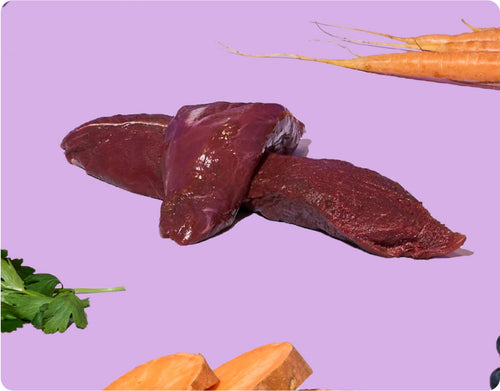
Lean meats: kangaroo, turkey, lamb, salmon, lean beef

Veg and fruit: carrots, green beans, blueberries, apples (no seeds)

Carbs: brown rice, sweet potato, pumpkin

Supplements: fish oil and flaxseed for coat and joint support
Unsafe Foods to Avoid
Some foods are outright toxic. Others just increase the risk of gut issues or long-term damage. If your dog shows signs of poisoning (vomiting, tremors, collapse), call a vet immediately.

Chocolate
Contains theobromine, toxic to dogs

Grapes and raisins
Can cause kidney failure

Onions and garlic
Damage red blood cells
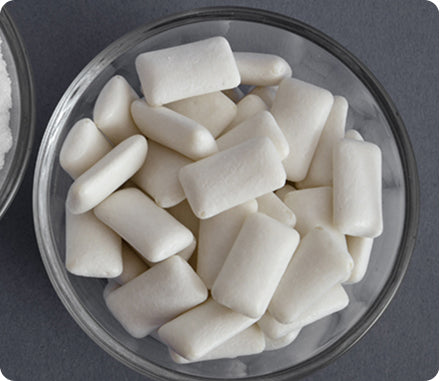
Xylitol
Can cause liver failure and insulin spikes

Cooked bones
Can splinter and cause internal damage

High-fat table scraps
May lead to pancreatitis
How to Prevent Obesity in Bernese Dogs
Obesity is a significant health risk for Bernese Mountain Dogs. Their large size makes them prone to joint issues, and extra weight can put undue stress on their hips, elbows, and knees, worsening conditions like arthritis and reducing their lifespan. Managing their weight requires a combination of careful feeding, exercise, and preventive care.
Prevention tips:
- Control Portions: Serve measured meals instead of free-feeding to regulate food intake.
- Adjust Diet as Needed: Consult with your vet for a customized, lower-calorie diet if your dog is overweight.
- Limit Treats: Reduce high-calorie treats and avoid overfeeding table scraps.
- Exercise Regularly: Provide at least 30 minutes of moderate exercise daily, such as walks or swimming, to keep their weight in check.
- Monitor Growth During Puppyhood: Avoid overfeeding during their rapid growth phase to prevent joint issues and obesity later in life.
Remember: A healthy weight starts with a healthy gut. A proactive management of their diet and exercise is essential to prevent obesity and maintain overall health. That’s why we’ve made it our mission to create premium dog food that supports large breed dogs from the inside out—because healthy food makes a happy pup.
Shedding Amount
Drooling
Coat Grooming Needs
Trainability
Mental Stimulation Needs
Bernese Mountain Dog Grooming & Shedding
Daily grooming isn’t essential for every dog, but with Berners, it’s the only way to keep their coat clean, mat-free, and manageable. Shedding is a year-round reality, and grooming helps control both the mess and the skin health beneath all that fur.
How to Manage Heavy Shedding on Mountain Dogs
Berners shed consistently, with big seasonal drops. To keep their coat under control and your home cleaner, focus on:
- Brushing three to four times per week with an undercoat rake or slicker brush
- Daily brushing during peak shedding periods
- Weekly ear checks to prevent wax and moisture buildup
- Nail trims every three to four weeks
- Wiping paws and belly after walks to reduce allergens and dirt indoors
- Using high-filtration vacuums and furniture covers in allergy-sensitive homes

Seasonal Coat Changes and Grooming Cycles
Shedding peaks in spring and autumn. These are the coat-blowout periods when the undercoat drops rapidly and in large quantities. This cycle typically lasts two to four weeks.
During this time:
- Switch to daily brushing to prevent tangles and mats
- Check trouble spots like behind the ears, under the legs, and around the tail
- Don’t over-bathe, one wash every few months or when dirty is enough
- Stick to a steady routine. Skipping a few days means playing catch-up later.
Training & Exercise Needs for Bernese mountain Dogs
Berners aren’t hyper, but they’re no couch potatoes either. They need a minimum of 30 minutes of vigorous exercise daily, both physically and mentally. A couple of walks, space to roam, and time to sniff and explore are usually enough. They’re not built for endurance or heat. Stick to short sessions, especially in warm weather. Cooler days suit them best.
Training Bernese Mountain Dogs
Smart, soft-natured, and eager to please, but they take time to mature. Berners learn best with patience and routine.
- Start house training and crate habits early
- Use a harness; they’re strong and can pull
- Keep sessions short and structured
- Ease into alone time to prevent separation stress
- Expose them to people, pets, and places while young
- Avoid harsh corrections. It can cause them to withdraw rather than learn.
Daily structure and low-drama correction are key. Berners don’t need a heavy hand - just clarity and consistency.

Puppy Care Tips for Bernese Mountain Dogs
Bernese Mountain Dog puppies grow fast, but their minds take longer to catch up. What they need early isn’t pressure. It’s a calm structure and patience.
What you do in the first six months sets the tone for the next ten years. Berners aren’t fully mature until about 2 years old, so continue basic training and joint-friendly habits well into their second year.
I. Housebreaking
They’re not defiant, just slow to mature. Stick to a set toilet schedule: after meals, naps, and play. Crate training helps reinforce habits and avoids overnight accidents.
II. Crate Training
Make the crate a calm, comfortable place. Never use it for punishment. It helps them settle, supports toilet training, and preps them for solo time.
III. Socialisation
Expose them gently to everyday life before 16 weeks, people, calm dogs, grooming, car rides, and noise. Keep it steady and short. Avoid overstimulation.
IV. Teething
From 3 to 6 months, teething can get intense. Offer durable chew toys or frozen washcloths. Keep shoes and cables out of reach, they will find them.
V. Feeding & Growth Milestones
Feed a large-breed puppy formula that promotes slow growth to protect joints.
- 2 to 6 months: 3 meals per day
- 6 to 12 months: transition to 2 meals per day
- Around 12 to 18 months: switch to adult food (check with your vet, especially for joint health)

Vet Bills
AUD $800-$2,500 annually

Food
AUD $1,200-$2,000 annually

Grooming & Hygiene
AUD $300-$600 annually

Pet Insurance
AUD $800-$1,200 annually
Cost & Ownership Considerations
Bringing home a Bernese Mountain Dog is a big-hearted decision, but it comes with big expenses, too. From the moment you fall for those soulful eyes to the lifelong care they’ll need, owning a Berner is as much a financial commitment as it is an emotional one. It’s not just the price tag: it’s the food, the grooming, the vet bills… and all the love in between.
How Much is a Bernese Mountain Dog from a Breeder?
If you’re buying from a registered breeder in Australia, expect to pay between AUD $3,000 and $6,000. That price usually includes early vaccinations, microchipping, and basic health checks.
Prices may go higher if:
- The breeder offers extensive health testing
- The dog comes from champion bloodlines
- You’re buying in-demand colours or from a limited range
Avoid cheap offers from backyard breeders or online ads. These individuals often skip health screenings and may incur serious long-term costs.
Adoption vs. Buying: What’s the Best Option?
Choosing between adoption and buying is about more than just cost; it’s about what kind of journey you’re ready for. Adoption is often more affordable (around AUD $300-$800), and while you may not know a dog’s full history, you could be giving a second chance to a soul who truly needs you. Many rescue dogs come with health checks and have been temperament-tested, waiting patiently for their forever home.
Adoption might be right for you if:
- You’re open to welcoming an older dog or a mix with Berner traits
- You want to give a dog a second chance at love
- You’re patient and understanding during the adjustment period
Buying might be the path if:
- You dream of raising a Bernese puppy from the start
- You want a known medical and behavioural background
- You’re working with a breeder who prioritises health and ethics
Whatever you choose, it’s the love and commitment you give that matter most.
Ongoing Ownership Costs
The initial cost is just the start. Here’s what you can expect yearly:

Vet Bills
Estimated Annual Vet Costs: AUD $800-$2,500 (or more for dogs with chronic issues)
Regular checkups, joint screenings, dental cleanings, and emergencies like bloat can drive this up.

Food
Estimated Annual Food Cost: AUD $1,200-$2,000 (depending on food quality and portion size)
Large dogs eat more, and you’ll want high-quality, joint-supporting formulas.

Grooming & Hygiene
Estimated Annual Grooming Cost: AUD $300-$600 (if done at home, more with professional grooming)
Brushes, nail clippers, shampoo, ear cleaners, or professional grooming sessions.

Pet Insurance
Estimated Annual Insurance Fee: AUD $800-$1,200 per year. Highly recommended, especially for joint and cancer-related coverage.
Training and Equipment
Estimated Annual Cost: AUD $200-$500
Crate, leash, toys, and initial obedience classes if needed.
Expect to spend between $3,000 and $6,000 per year, depending on your setup and the dog’s needs.
Costs are approximate and should be used as a general guide, not a fixed expectation for every Bernese.
Is the Bernese Mountain Dog Right for You?

Living with a Bernese Mountain Dog means more than admiring a fluffy coat. It’s about meeting the needs of a strong, sensitive breed that thrives on stability and connection. They need room, structure, and regular care, and in return, they offer unwavering companionship.
If your lifestyle supports time at home, calm routines, and space to move, a Berner may be the perfect fit. They’re not for everyone, but for the right home, they’re unforgettable.
Pros & Cons of Owning a Bernese Mountain Dog
Bernese Mountain Dogs are affectionate, calm, and loyal, but they come with very real needs that don’t suit every home. If you’re thinking about adding one to your life, here’s a clear-eyed look at what it’s like to live with a Berner.
Pros:
- Deeply loyal and people-focused. They’ll stick close and want to be part of your day.
- Excellent with children, especially calm, respectful kids
- Gentle temperament. Low-reactivity and not prone to aggression
- Easy to train with food and routine. They respond well to soft direction
- Adaptable to indoor or outdoor living, as long as they’re close to their people
Cons:
- Short lifespan. Most live 6 to 8 years, sometimes 10, with care.
- Heavy shedders. A thick coat means fur on everything.
- Prone to joint issues, cancer, and bloat. Vet bills can add up.
- Drool. Some (not all) Berners may drool a moderate amount, especially at mealtimes. But don’t let this be a deal-breaker!
- Don’t handle heat well. Not suited to hot climates or homes without shade.
Struggle with long hours alone. They bond deeply and don’t like being left out.