Petzyo Top Breed Guide
Chow Chow

QUICK FACTS
Height: 45cm to 55cm (males), 40cm to 50cm (females)
Weight: 20kg to 30kg (males/females)
Lifespan: 8-15 years
Coat Type: Dense double coat; either rough (long) or smooth (short)
Colour Variations: Red, black, blue, cinnamon/fawn, and cream
Energy Level: Low to moderate
Grooming Needs: High maintenance (especially during shedding season).
- Breed Overview
- Physical & Appearance
- Personality
- Health & Diet
- Grooming & Care
- Cost & Ownership
History of Chow Chow
The Chow Chow is one of the world’s oldest dog breeds, with roots going back thousands of years in northern China. Originally bred for guarding, hunting, and pulling carts, their early roles shaped the independent temperament and solid build they’re known for today.
Breed Origins and Historical Role
The Chow Chow isn’t just an old breed—it’s a piece of living history. Originating in northern China over 2,000 years ago, as far back as the Han Dynasty (206 BC to 220 AD), these dogs were trusted to guard temples, pull carts, and even hunt. In Chinese, they were called by various names, including the wolf dog (lang gou), bear dog (xiang gou), and the modern sōng shī quǎn (literally "loose lion dog").
They were prized for their strength, loyalty, and unshakable presence. They weren’t just pets; they were protectors, workers, and companions to emperors and everyday people alike.
While modern mixes like the Chowdle (Chow + Poodle) have become popular, the spirit of the purebred Chow Chow still reflects its ancient purpose. You can feel it in the way they move, watch, and carry themselves, like they remember where they come from.

What defines a Chow Chow?

Everything about a Chow Chow, from their serious gaze to their slow, deliberate walk, tells a story rooted in hard work and ancient purpose. Their aloof and watchful nature comes from generations of guarding temples and homes, always alert but never overreacting. That fierce independence? It’s the legacy of a breed trusted to handle tasks on its own.
Their dense double coat was made for harsh winters, and that distinctive stilted gait once helped them pull carts across tough, uneven terrain. Their iconic blue-black tongue and their lion-like mane are more than striking features; they are hallmarks of the breed’s ancient identity. These aren’t just quirks, they’re part of who Chows are. And even today, those same traits shape how they move through the world and how we care for them with patience, respect, and understanding.
BREED SUMMARY
The Chow Chow is an ancient Chinese spitz-type breed known for its lion-like mane, blue-black tongue, and proud, self-contained temperament. Originally used as a guardian, hunter, and cart-puller, the breed developed a powerful, compact build and a dense double coat capable of withstanding harsh winters. Adult Chow Chows typically stand 17–20 inches tall and weigh 45–70 pounds, with a square, muscular frame and a distinctive stilted gait.
Calm, independent, and deeply loyal to their inner circle, these lion-like dogs are naturally reserved with strangers and prefer quiet, predictable environments. They are intelligent but stubborn, making early socialisation and consistent, respectful training essential. Their grooming needs are high due to heavy seasonal shedding, and their thick coat makes them poorly suited to hot climates. Exercise requirements are low to moderate—steady walks and routine mental stimulation are enough.
Chow Chows thrive with confident, experienced owners who appreciate an independent companion rather than a highly social or needy dog. In the right home, they are dignified, devoted, and quietly protective partners with a temperament shaped by thousands of years of purpose.
Proper nutrition plays a major role in Chow’s long-term health, especially because the breed is prone to skin issues, allergies, thyroid problems, and digestive sensitivities. A balanced, high-quality diet rich in real meat protein, healthy fats, and gut-supporting ingredients helps maintain their skin, coat, joints, and immune system while keeping their weight under control.
FAQs About Chow Chow
Is a Chow Chow a good family dog?
Yes, but only for the right family. Chow Chows can be loyal and devoted, but they aren’t playful, tolerant, or easygoing like many family-friendly breeds. They do best with older kids who respect boundaries and adults who understand their independent nature.
How much does a Chow Chow cost in Australia?
Most Chow Chows from reputable Australian breeders cost between $1,000 and $5,000, depending on pedigree, coat type, colour, and breeder reputation. Show lines or rare colours can cost more.
Why do groomers refuse Chow Chows?
Some groomers decline Chow Chows because the breed can be difficult to handle if not socialised properly. Chow Chows don’t like strangers handling them, especially around sensitive areas. Their thick double coat is also time-consuming and physically demanding to maintain.
Why are Chow Chows a restricted breed?
Chow Chows are restricted in some regions due to their guarding instincts, strong territorial behaviour, and low tolerance for strangers. With poor socialisation, they can become reactive or defensive. Restrictions don’t mean the breed is “dangerous,” but rather that it requires responsible ownership, proper training, and early socialisation to prevent behavioural issues.
Can Chow Chows be left alone?
Yes, more than many breeds. They are independent and usually handle alone time well as long as their routine, exercise, and mental stimulation needs are met. They shouldn’t be left alone for full working days as a habit without structure and enrichment.
Does a Chow Chow bark a lot?
Not usually. They are quiet, observant dogs that bark only when they believe something truly deserves attention. They’re more likely to alert than to bark for no reason.
Coat type
Coat length
Physical & Appearance
Chow Chows don’t just act differently, they look different too. From their mysterious blue-black tongue to their lion-like coats and proud posture, every detail tells a story. These traits aren’t just for show, they’re a window into the breed’s ancient purpose and personality.
Unique Structural Features Across the Breed
There’s no mistaking a Chow Chow when you see one - their look is as unique as their personality. The most striking feature is that lion-like mane of thick fur around the neck, giving them a regal, almost mythical appearance. It’s part of what makes them feel less like a typical pet and more like a dignified guardian.
Their deep-set, almond-shaped eyes give them that signature serious expression, but owners should be aware that this structure can lead to entropion, a folding of the eyelids which may require surgical correction in puppies and again in adults to prevent discomfort and eye issues. You’ll also notice their stilted gait, a unique, almost stiff walk caused by straight hind legs. It might look unusual at first, but it’s one of the many things that make a Chow Chow, well… a Chow.
And then there’s the tail, curled tightly over the back like a perfect little plume, always resting close to the body. Every feature of the Chow feels intentional, almost ancient, reminding you that this breed was once bred to guard temples and palaces. They carry that history in how they move, look, and hold themselves.
Standard Chow Chow Coat Colours & Markings
Chow Chows are known for their distinctive double coat and strong pigmentation. Their colours, coat types, and markings follow guidelines recognised by ANKC. Understanding these variations helps owners identify what is standard for the breed, what falls into less common or rare categories, and what is accepted in Australian conformation shows.

Red
The most common colour, ranging from light golden red to deep mahogany.

Black
Solid black coat with consistent pigmentation.

Blue
A diluted steel-grey shade with matching nose and paw pigmentation.

Cream
Pale ivory colouring that remains clean and uniform across the coat.

Cinnamon (Fawn)
A warm, beige-to-light brown tone that may appear richer in rough-coated dogs.
Texture and Coat Type Variations in the Breed
Chow Chows come in two coat types recognised by Dogs Australia:

Rough Coat (Long Coat)
Rough-coated Chow Chow has a dense outer coat with a thick undercoat, which creates the breed’s signature “lion mane”. They need regular brushing to prevent matting.

Smooth Coat (Short Coat)
Smooth-coated Chow Chow has a shorter, plush coat that lies closer to the body, still featuring an undercoat. They are lower-maintenance but shed seasonally.
Rare Chow Chow Colours and Distinct Patterns
Some colour variations and markings appear occasionally but are not recognised as standard by Dogs Australia. These do not qualify for showing and are considered non-standard.
Examples include:
- Diluted or washed-out shades of cream or cinnamon
- Shaded coats where darker guard hairs create gradient tones
- Minor white markings on the chest or feet
- Transitional puppy colouring that changes significantly with age
- Uneven pigmentation in the nose or paw pads
These traits are typically cosmetic. However, breeders should prioritise health testing and structure rather than breeding specifically for unusual colours.
Why Do Chow Chows Have a Blue-Black Tongue?
One of the first things people notice, and often ask about, is the Chow Chow’s blue-black tongue. It’s a trait that sets them apart from most other dogs, who typically have pink tongues.
Interestingly, Chows are actually born with pink tongues too, but by the time they’re 8 to 10 weeks old, that soft pink fades into a rich blue-black shade. This unique colour comes from extra melanin, the same pigment that gives colour to our skin, hair, and eyes.
While the exact genetic reason behind the blue tongue isn’t fully understood, it's believed to be linked to a recessive gene specific to the breed. The darker colour doesn’t signal anything to worry about - it’s purely cosmetic, and honestly, part of what makes Chows so fascinating.
Chow Chows aren't alone in this. The Chinese Shar Pei, another ancient breed from China, also shares the blue-black tongue trait, likely due to shared ancestry. In mixed breeds, spotting a dark-spotted tongue might suggest Chow or Shar Pei lineage, but full pigmentation across the entire tongue remains rare outside these two breeds.
Chow Chow Size, Growth & Proportions
Chow Chows may look like cuddly clouds as puppies, but they grow into strong, sturdy companions with a presence that’s hard to ignore. Understanding how they grow and how their size fits into everyday life can help you prepare for the journey from fluff ball to full-grown guardian.
How Big Do Chow Chows Get?
Chow Chows may start out as fluffy little teddy bears, but they grow into solid, powerful companions. Males tend to be larger and more muscular, while females are usually a bit lighter and more refined in build. Most puppies will reach about 70% of their adult size by 6 months, but don’t be fooled, they’ve still got some filling out to do.
They typically reach their full height by 12 months, with muscle and maturity developing steadily until around age 2. Watching a Chow Chow grow is like watching royalty come into their own - steady, proud, and unmistakably majestic.
Here’s a general growth guide:

What Does a Full-Grown Chow Chow Look Like Next to a Human?
A full-grown Chow Chow stands just below knee height, but their thick coat and stocky build make them appear much larger. Their size may be compact, but their strength and independence require space, structured training, and confident handling, especially in smaller living environments.

Chow Chow Mixed Breeds & Crosses
Chow chow is identified as a basal breed that predates the emergence of many modern breeds in the 19th century. There’s no officially recognised Mini Chow Chow, despite what some breeders might claim. Smaller Chow-like dogs are almost always crossbreeds, not naturally miniaturised purebreds. Common mixes include the Chusky (Chow Chow + Husky), Rottie Chow, Chabrador, Chow Shepherd, and Border Chow.
Before choosing a designer mix, keep these in mind:
- Potential health risks from poor breeding practices.
- Unpredictable traits in size, coat, and temperament.
- Some breeders label undersized pups as “mini” without proper transparency.
Always choose ethical breeders who prioritise health screening and can explain a pup’s full lineage, whether you’re after a purebred Chow or a mix.
Affectionate with family
Good with kids
Social doggos
Playfulness
Chow Chow Temperament & Personality

Chow Chows are calm, independent, and famously loyal, but only to their chosen few. They often seem aloof or reserved with strangers, but once you’re in their circle, they’re fiercely loyal and quietly affectionate.
The Chow Chow is known for being intelligent, loyal, arrogant, stubborn, stoic, standoffish, and aloof. They don’t crave attention like other breeds, but are fiercely loyal once bonded. They’re generally best suited for homes without very young children or clingy dog friends.
Chow Chows' Behaviour With Family and Strangers
Chow Chows love their people deeply, but they show it in quiet, subtle ways. Don’t expect over-the-top cuddles or constant tail wags. Instead, they’ll follow you from room to room like a silent guardian, content just being near you. Their love is calm, steady, and deeply rooted, like that one family member who doesn’t say much but always shows up when it matters.
With strangers, Chows are polite but distant, more “curious neighbour behind the fence” than “instant best friend.” They take their time to warm up, and that’s okay. With gentle early socialisation and trust-building, they learn to navigate new faces with grace - never losing their signature cool or quiet confidence.
Is a Chow Chow Dangerous or Aggressive?
Chow Chows aren’t naturally aggressive; they’re just reserved, proud, and protective by instinct. Their quiet confidence can be misunderstood, especially by people expecting a tail-wagging social butterfly. When poorly socialised or mishandled, fear or discomfort can show up as growling or snapping, not out of malice, but out of uncertainty.
Like anyone, they need time, trust, and the right environment to feel safe. Most issues come not from the breed but from a lack of boundaries or missed signals. Learn their language; watch for stiffness, avoidance, or discomfort, and you’ll find a Chow that’s calm, composed, and incredibly loyal with the right care and respect.
Behaviour Traits That Can Be Challenging in Chow Chows

Chow Chows are not naturally social, people-pleasing dogs, and some of their behaviour traits can be challenging if you are expecting a highly affectionate or easygoing companion. They prefer predictable routines, respond selectively to commands, and take time to warm up to new people or handling.
Understanding these tendencies helps create a safer and more manageable environment for both the dog and the owner.
Why Chow Chows Can Seem Distant or Independent
Chow Chows often appear reserved due to their history as working dogs that carried out tasks with limited human supervision. This background contributes to their independent decision-making and their selective approach to training. They usually respond best when instructions are clear and consistent rather than repeated with increasing intensity.
Common signs include:
- Slow or selective responses to verbal cues
- Preference for observing rather than engaging
- Comfort in spending time alone rather than constantly seeking interaction
Guarding Behaviour and How It Shows Up
Chow Chows retain natural guarding instincts from their origins as property and livestock guardians. Their protective behaviour is usually calm and observant rather than reactive, but it can be noticeable in unfamiliar situations.
Typical guarding behaviours include:
- Monitoring doors, gates, and entry points
- Positioning themselves between the household and unfamiliar people
- Taking time to assess new environments before relaxing
Early socialisation helps ensure these instincts remain controlled and appropriate in day-to-day situations.
Chow Chow Lifespan
& Health Issues

Puppy
0 - 1 years

Adult
1 - 7 years

Senior
8+ years
Every Chow Chow deserves a long, healthy life, and as their human, you play a big part in that. From how much they move to how closely you watch for early signs of illness, even small daily choices can make a big difference.
How Long Do Chow Chows Live?
Chow Chows typically live between 8 and 15 years, and every one of those years feels special when you share it with a dog as loyal and proud as a Chow. Their lifespan can vary based on genetics, but how you care for them plays a big role too (what you feed them, how often they move, and how closely you watch their health).
Chow Chow health issues
Although a hardy breed, Chows are prone to conditions such as rolled eyelids (entropion) and ear infections (otitis externa) due to their skin folds and rolls. With early detection and regular vet visits, these can often be managed. Even something as simple as consistent grooming goes a long way, not just for their coat, but to prevent skin issues that affect their comfort and overall health. In the end, it's the everyday love, care, and attention that help your Chow stay by your side for as long as possible.
1. Ophthalmological (Eye) Conditions
Eye diseases are the most common health problem in the Chow Chow.
- Entropion: This is the most common health issue found in the Chow breed. It is A deformity where the eyelids roll inwards, causing eyelashes to rub on the surface of the eye. This is painful and can cause corneal ulcers or blindness if untreated. Temporary tacking sutures in puppies and surgery in adult dogs are required.
- Glaucoma: Increased pressure within the eye that can lead to blindness.
- Double Eyelashes (Distichiasis): An eye disorder where one or more rows of eyelashes grow toward the eye, irritating the cornea.
2. Skeletal and Joint Conditions
Chow Chows are structurally prone to several orthopedic issues due to their straight hind legs and heavy build.
- Hip Dysplasia: A hereditary condition where the hip joint does not form properly, leading to pain, stiffness, and eventual arthritis.
- Elbow Dysplasia: Abnormal development of the elbow joint that causes lameness, discomfort, and early-onset arthritis.
- Patellar Luxation: The kneecap slips out of place, causing intermittent limping or a “skip” in the gait. Severity varies from mild irritation to surgical cases.
- Cruciate Ligament Injury (ACL/CCL Tears): The straight-legged structure places extra strain on the knee, increasing the risk of ligament tears that cause sudden lameness.
- Intervertebral Disc Disease (IVDD): Early degeneration of spinal discs can occur, causing back pain or, in severe cases, neurological problems.
3. Heat Stress and Intolerance
Chow Chows overheat easily, especially in warm climates. Heatstroke can develop quickly and is a medical emergency. Always ensure the environment is cool and comfortable. Consider clipping hair in summer.
4. Gastrointestinal Conditions
Chow Chows are prone to several digestive issues due to their breed's anatomy and sensitivities.
- Bloat (Gastric Dilatation-Volvulus): A life-threatening emergency where the stomach fills with gas and twists. Causes rapid swelling, drooling, and collapse and requires immediate surgery.
- Exocrine Pancreatic Insufficiency (EPI): The pancreas fails to produce enough digestive enzymes. Leads to chronic weight loss, diarrhoea, and poor coat condition. Treated with enzyme supplements.
- General GI Sensitivities: Many Chows have sensitive stomachs and may experience vomiting, soft stools, or food intolerances.
Chow Chows Nutrition & Diet Guide
With their heavy build, dense coat, and tendency toward allergies and slow metabolism, Chow Chows need a carefully balanced diet to stay healthy. A typical 25-30kg adult Chow Chow needs 2-2.75 cups of high-quality dry food per day, split into two meals to reduce the risk of bloat.
Best Diet for a Chow Chow
A high-quality, breed-appropriate diet for a Chow Chow should be:
- Moderate in protein to support muscle without overwhelming sensitive skin or digestion
- Moderate in fat, providing steady energy without contributing to weight gain
- Rich in omega-3 and omega-6 fatty acids to support coat health and reduce inflammation
- Free from common allergens like beef, wheat, and soy
- Easily digestible, using simple ingredient profiles to protect the stomach
- Formulated with joint-support nutrients (glucosamine, chondroitin) to protect hips, elbows, and knees
Because Chow Chows are prone to obesity, hypothyroidism, and allergies, avoiding calorie-dense fillers and choosing nutrient-dense food is essential.
Best Food for Sensitive Skin & Stomachs
Skin allergies, digestive upset, paw licking, ear infections, and soft stools are common complaints among Chow owners. These often relate to poor-quality food or protein intolerance. Choose foods that are:
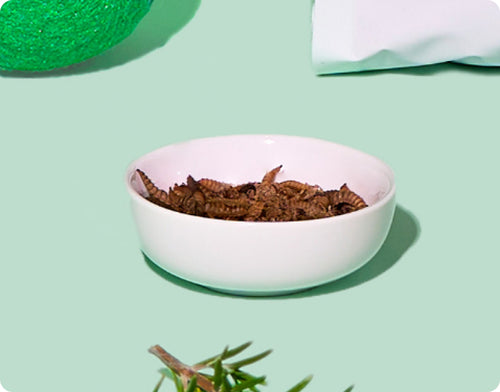
Limited-ingredient (single protein, single carbohydrate)
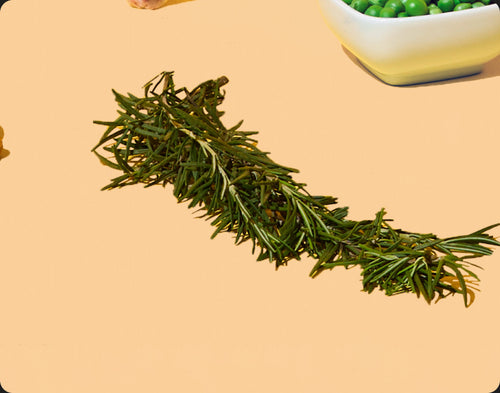
Formulated for sensitive digestion
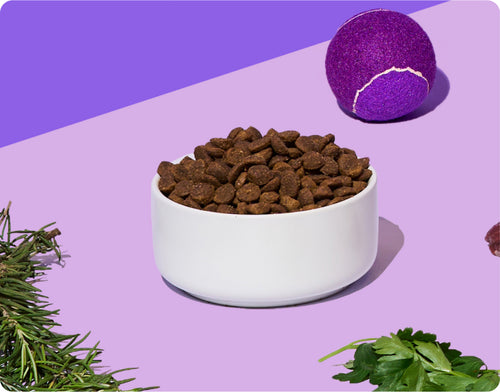
Free from dairy, wheat, soy, and corn.
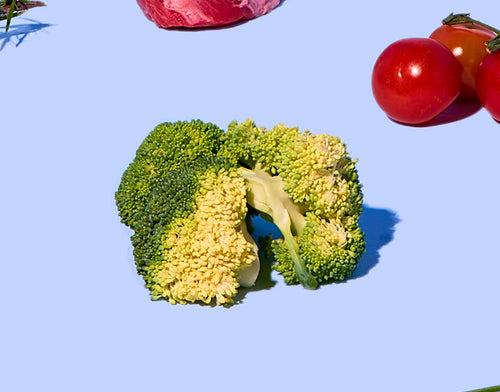
Enriched with probiotics and fibre.
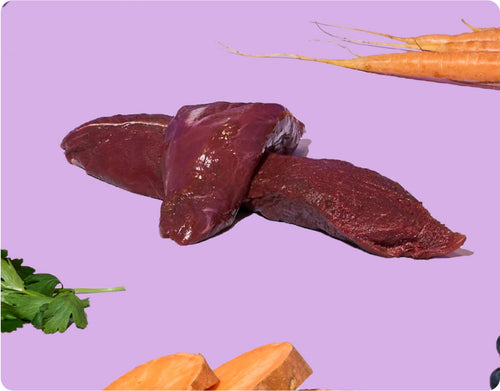
Fish-based or poultry-based, which are usually gentler than beef or lamb
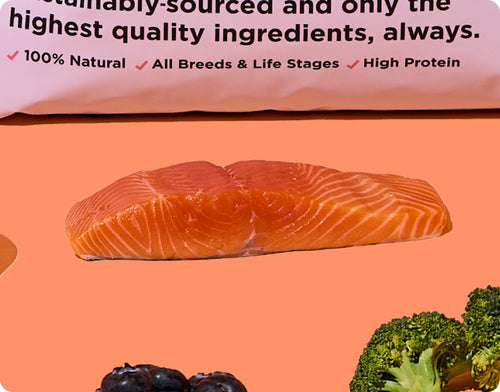
Omega-3 and Omega-6
Foods to Avoid
Many well-meaning dog parents accidentally feed their Frenchies harmful foods. Avoid feeding your French Bulldog:
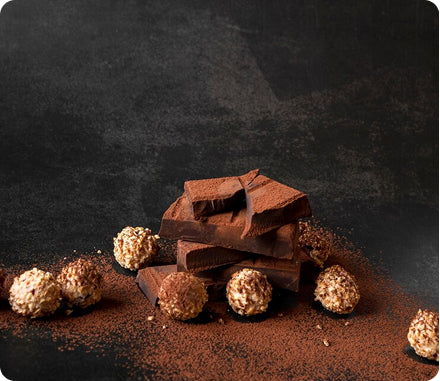
Chocolate
Contains theobromine, toxic to dogs
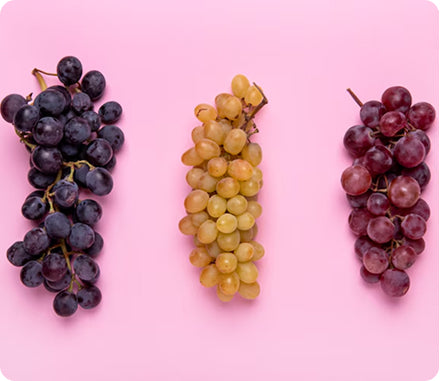
Grapes and raisins
Can cause kidney failure
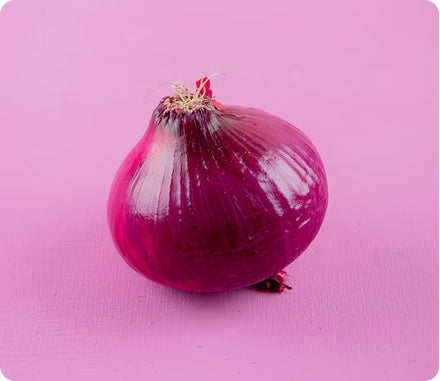
Onions and garlic
Damage red blood cells
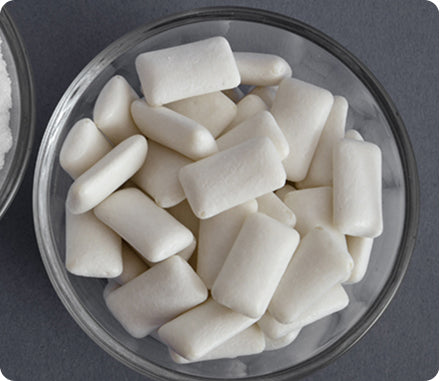
Xylitol
Can cause liver failure and insulin spikes
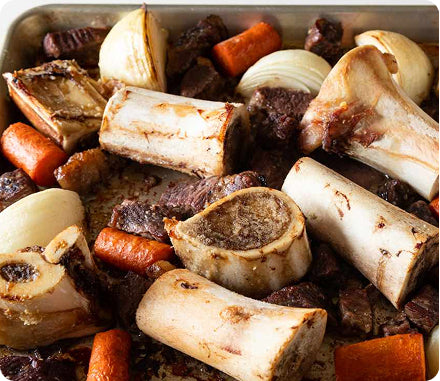
Cooked bones
Can splinter and cause internal damage
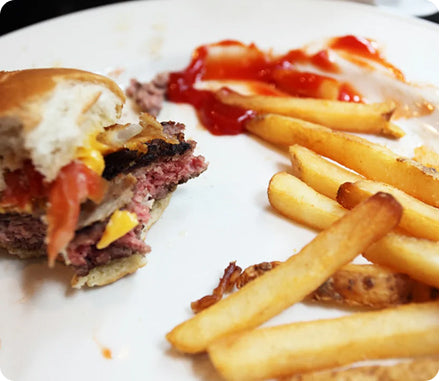
High-fat table scraps
May lead to pancreatitis
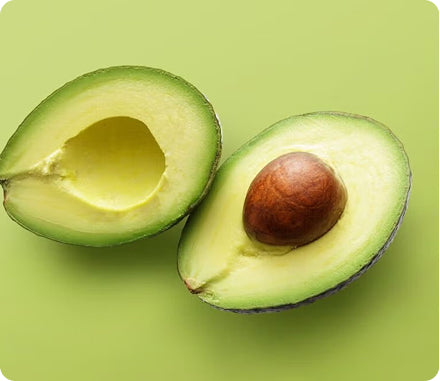
Avocado
Contains persin, mildly toxic to dogs
Feeding Tips for a Healthy Chow Chow
- Split their food into two meals daily to reduce the risk of bloat
- Avoid exercise 30-60 minutes before and after meals
- Use a slow-feeder bowl if your Chow eats too quickly
- Measure meals carefully to avoid weight gain; the coat hides extra kilos easily
- Offer low-calorie training treats like green beans or carrot slices
- Keep their chest (“bib”) dry after drinking to prevent moisture-related skin issues.
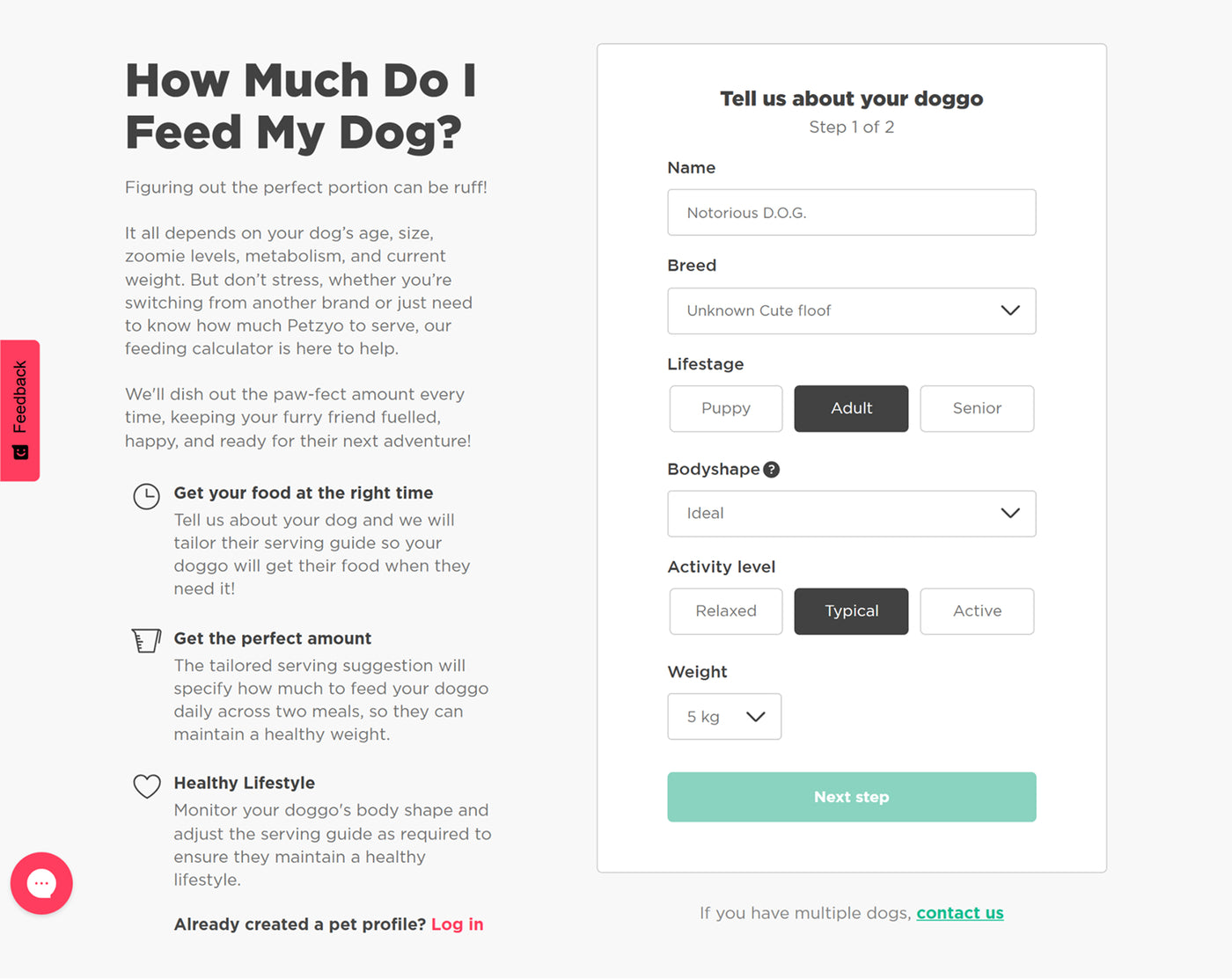
Remember: A healthy weight starts with a healthy gut. Their digestive systems are often better adapted to a lower-protein, mixed diet than many Western breeds. That’s why we’ve made it our mission to create premium dog food that supports your Chow from the inside out—because healthy food makes a happy Chow.
Shedding Amount
Drooling
Coat Grooming Needs
Trainability
Mental Stimulation Needs
Chow Chow Grooming & Maintenance
That thick, fluffy coat doesn’t maintain itself. Chow Chows are serious shedders with grooming needs to match. To keep their coat healthy (and your home less furry), a consistent care routine is key.
Do Chow Chows Shed a Lot?
Yes, Chow Chows shed heavily, especially during the spring and autumn coat-blowing seasons when they shed their undercoat. You'll notice more loose fur around the home and on clothes during these peak seasons. Their dense double coat means they shed fur year-round, so expect a fair amount of fluff, regardless of the month.
Chow Chow Grooming Guide
Chow Chows need a consistent grooming routine to prevent matting, manage shedding, and reduce the risk of skin issues. Their dense double coat traps dirt and moisture easily, so regular care is necessary.
Here is a simple grooming routine to follow:
- Brush your Chow 3-4 times a week using a slicker brush and undercoat rake.
- Bathe your dog every 4-6 weeks with a mild dog shampoo, and ensure their coat is completely dry.
- Trim their nails monthly and clean their ears weekly to avoid infections.
- Use detangling spray or grooming powder between baths to keep their coat smooth and tangle-free.
This routine helps keep their skin healthy, reduces shedding, and keeps your Chow comfy all year round.

Training & Exercise Needs for Chow chow
The Chow Chow is an independent, intelligent breed that thrives with calm, structured routines and low-impact physical activity. They are not naturally eager-to-please, so training must focus on respect, consistency, and clear communication. When paired with the right approach, daily exercise and mental work help keep the Chow balanced, cooperative, and content.
How Much Exercise Do Chow Chows Need?
Chow Chows have a low to moderate energy level. Two short walks a day and some mental stimulation, like puzzle toys or basic training are usually enough. They don’t need intense activity, just a steady routine and your quiet companionship to feel content and balanced.

Best Low-Intensity Exercises for Chow Chows
Chow Chows are not suited to high-intensity activity and do best with calm, low-impact exercise that matches their steady, deliberate nature.
1. Walking (Low-Impact Physical Activity)
Walking is the ideal and primary form of exercise for a Chow Chow.
Frequency & Duration: Most Chows are satisfied with two 15-20 minute walks per day, or one longer 30-45 minute stroll.
Endurance: While not fast, they have steady endurance and make excellent walking companions.Flexibility: Their needs vary; many are happy lounging at home, while others easily handle a 5 km walk when conditioned.
2. Mental Stimulation Activities
Because Chow Chows are intelligent and easily bored, mental work is just as important as physical work.
Recommended activities include:
- Fetch (short sessions)
- Hide-and-seek or scent-based games
- Treibball (pushing large balls)
- Obedience or trick training
- Exploring new paths or trails to stimulate their senses
These activities help prevent frustration and support good behaviour.
3. General Movement and Play
Moderate, low-intensity play keeps them content.
Quiet Outdoor Time: Many enjoy calm time in the garden or yard.
Family Engagement: Chow Chows may not be overly playful, but they do enjoy interacting with their trusted humans.
Exercise Mistakes to Avoid with Chow Chow
- Avoid High-Intensity Activity: Chows are not built for intense running, long-distance jogging, or rough play.
- Heat Intolerance: Their dense coat and shorter muzzle make them prone to overheating. Exercise should be avoided during warm parts of the day.
- Puppies: Over-exercising a young Chow can stress developing joints and increase the risk of lifelong orthopedic issues.
- Stilted Gait: Their naturally straight hind legs create a stiff, stilted gait. This is normal and not a sign of laziness.
- Safety: They should always be walked on a leash or kept inside a secure, fenced area. Chow Chows are not reliable off-lead and may not return on recall.
Training Your Chow
Chow Chows learn quickly, but their independence means they respond best to firm, fair, and patient handling.
Key Training Tips:
- Start Early: Early socialisation (8–16 weeks) is essential to reduce territorial behaviour and improve confidence with strangers and other animals.
- Use Positive Reinforcement: Gentle praise, food rewards, and short, structured sessions work far better than harsh corrections.
- Set Firm Boundaries: Chows respect consistency. Clear rules around door manners, handling, grooming, and personal space prevent pushy or reactive behaviour.
- Short, Calm Sessions: They dislike repetitive drills. Keep training brief and purposeful.
- Handling & Grooming Training: Because of their dense coat and strong opinions, teaching them to accept brushing, paw handling, and vet checks early is crucial.
Chow Chows are often described as “cat-like” - observant, selective in affection, and sensitive to fairness. They will not tolerate rough handling, and forcing training will damage trust.

Vet Bills
AUD $600 – $1,500 annually

Food
AUD $1,200 - $2,000 annually

Grooming & Hygiene
AUD $800 - $1,500 annually

Pet Insurance
AUD $800 - $1,400 annually
Cost & Ownership Considerations
The Chow Chow dog price can vary a lot depending on the breeder, location, and lineage. But the upfront cost is just the beginning; grooming, food, and vet care quickly add up, so it’s worth knowing what you’re in for before bringing one home.
Initial Purchase Price
The Chow Chow dog price typically ranges from $1,500 to $5,000 when buying from a reputable breeder, depending on lineage, coat type (rough or smooth), and colour. Rare colours like blue or cream often sit at the higher end. Adoption through a rescue usually costs between $50 and $300, offering a more affordable way to give a Chow a second chance.
Monthly & Annual Maintenance Costs
The average Chow Chow ownership cost ranges from $150 to $300 per month. Expect to spend on premium dog food, routine vet visits, pet insurance, and professional grooming every 6 to 8 weeks. Annual expenses can range from $2,000 to $3,500, especially with the costs of training, vaccinations, flea and tick prevention, and unexpected health care. Budgeting ahead helps ensure your Chow stays happy, healthy, and well cared for.

Ongoing Cost of Owning a Chow Chow in Australia
Chow Chows are a long-term financial commitment, and their dense coat, health needs, and climate sensitivities contribute to ongoing expenses Australian owners should plan for.

Vet Bills
Estimated Annual Vet Costs: AUD $1000 - $1,500 (more for dogs with chronic or breed-specific issues)
Routine care includes vaccinations, flea and tick prevention, dental care, and annual health checks. Chow Chows may also require additional care for conditions such as entropion, skin irritation, or joint concerns.

Food
Estimated Monthly Food Cost: AUD $100 - $250+ (cost varies based on quality and portion size)
Chow Chows benefit from a high-quality, skin-friendly, and weight-appropriate diet due to their tendency toward allergies and slower metabolism. Basic supplies such as bowls, leads, grooming tools, supplements, and waste bags also form part of regular costs.

Grooming & Hygiene
Estimated Annual Grooming Cost: AUD $100 - $500+ (cost increases with professional grooming or during heavy shedding seasons)
Chow Chows have a dense double coat that requires consistent upkeep. Many owners use professional grooming every 6–8 weeks for bathing, drying, nail trims, de-shedding, and coat maintenance. At-home tools like slicker brushes and undercoat rakes also add to routine expenses.

Pet Insurance
Estimated Annual Insurance Costs: AUD $600 - $1,000 (more for dogs with chronic or breed-specific issues)
Many owners choose pet insurance to manage long-term health costs, with plans typically costing AUD $50-$100 per month, depending on coverage.
Costs are approximate and should be used as a general guide, not a fixed expectation for every Chow Chow. Actual fees may vary based on your Chow Chow’s age, health needs, location, and the quality of care you choose.
Is a Chow Chow Right for You?
So, is a Chow Chow the right companion for your home? For the right person, absolutely. They’re loyal, dignified, and independent - dogs that won’t beg for attention, but will stay quietly by your side once trust is built. They do best with structure, early socialisation, and regular grooming, and they need someone who understands that affection isn’t always loud.
Their calm, reserved nature isn’t for everyone, but if you value quiet loyalty and can offer patient, consistent care, a Chow Chow will reward you with a bond that runs deep.
Want to start off strong? Give your Chow the fuel they deserve with Aussie-made, vet-approved meals from Petzyo - built to support their health, inside and out.