Petzyo Top Breed Guide
Labrador

QUICK FACTS
Height: 55 to 60cm(males), 50-60cm (females).
Weight: 30 to 40kg (males), 25-35kg (females).
Lifespan: 10-12 years.
Coat type: Short, dense, water-resistant
Colour Variations: Black, chocolate, yellow
Energy Level: High – Labradors thrive on activity.
Grooming needs: Low maintenance, but sheds heavily.
- Breed Overview
- Physical & Appearance
- Personality
- Health & Diet
- Grooming & Care
- Cost & Ownership
Labrador Retriever Breed’s History & Origin
It’s hard to imagine those lovable Labradors as anything but family dogs, but their roots trace back to the chilly shores of Newfoundland, Canada. Originally bred to help fishermen haul in nets and retrieve fish from freezing waters. These dogs were known for their strength, stamina, and soft mouths, a trait that made them perfect for hunting and retrieving game without damage.
What makes Labradors truly special, even among other retriever breeds like Golden Retrievers or Chesapeake Bay Retrievers, is their remarkable versatility. Over time, their steady temperament and eagerness to please made them more than just working dogs, they became beloved service animals, therapy dogs, and loyal companions across the world.
Knowing where they came from helps us understand what they need today. Their active, purpose-driven heritage explains why Labradors thrive on movement, mental stimulation, and connection.

BREED SUMMARY
Labrador Retrievers are a beloved breed known for their friendly, loyal, and adaptable nature, making them excellent companions for a variety of households. They typically have a short, dense, water-resistant coat that comes in black, yellow, or chocolate, and they are generally sturdy dogs with an average lifespan of 10-12 years. Their intelligence and eagerness to please make them relatively easy to train, and they thrive on positive reinforcement and early socialisation.
When it comes to care, Labradors are high-energy dogs that require at least 60-90 minutes of daily physical activity and mental stimulation to prevent boredom. They love food, so a balanced dog food diet with portion control is crucial to maintain a healthy weight and support their joints, with specific feeding guidelines for puppies, adults, and seniors. Regular grooming, including weekly brushing and bathing every 6-8 weeks, helps manage their shedding and maintain skin health.
FAQs About Labrador
Are Labrador Retrievers Good Pets?
Yes, Labradors make excellent pets, especially for owners who meet their exercise, training, and companionship needs.They thrive in energetic households and get along well with children and other pets. Their eagerness to please and easy-going temperament make them ideal for families, singles, and seniors alike.
Are Labradors Good Guard Dogs?
Not really, Labradors are lovers, not fighters. Their gentle, social nature means they’re far more likely to wag their tails at a stranger than scare them off. While they might give a few alert barks if something seems off, their friendly disposition and low aggression make them poor candidates for true guard dog duties.
Even with training, their instinct is to trust and connect, not to protect through intimidation. They’re better suited as watchdogs, alerting you when something’s unusual, than as protectors. If you’re after a loyal companion who’ll keep you company more than keep threats away, a Labrador is your perfect match.
Is a Labrador the Right Companion for Your Lifestyle?
Think about your daily routine, activity level, and home environment. Labradors thrive with active families and owners who can offer attention, training, and exercise. If that sounds like you- they’ll return the love tenfold.
Coat type
Coat length
Physical & Appearance
These beloved dogs undergo steady growth stages, progressing from playful pups to sturdy adults. Labrador Retrievers grow rapidly in their first year, reaching most of their adult size by 18 months.
Tracking their development is essential to ensure they stay within healthy size and weight ranges.
Labrador Retriever Coat Colours
Labrador Retrievers may come in just a few official colours, but their coats have sparked plenty of debate, and even a few myths. From classic black to deep chocolate and sunny yellow, each colour has its own charm. But do these coat colours mean anything beyond looks?

Black

Yellow

Chocolate
The Australian National Kennel Council (ANKC) officially recognises three Labrador Retriever coat colours: black, yellow, and chocolate. Some Labradors may appear in fox-red or silver shades, but these are not accepted as standard colours under ANKC guidelines. Fox-red is viewed as a deeper shade of yellow, while silver Labradors remain a point of debate among Australian breeders, with concerns around their purebred status.

Fox-red

Silver
Do Coat Colours Affect Personality or Health?
No, Labrador coat colour does not affect behaviour or overall health. Common myths suggest that black Labs are better hunters or yellow Labs are calmer, but scientific studies confirm these traits depend on training and genetics, not colour. Health risks like hip dysplasia or obesity affect any Labrador, regardless of colour.
Labrador Retriever vs Golden Retriever
Both breeds are beloved for their sociable, intelligent nature, but key differences emerge in coat care, grooming needs, and overall energy levels.

Labrador Retrievers are outgoing, playful, and energetic. They love interaction and activity. A highly social breed; may display more excitement and drive to retrieve and play. Excellent for active families, as outdoor companions, and for service work. Their coat is short, dense, and water-resistant. They shed year-round, with low to moderate grooming needs.

Golden Retrievers are a gentle, calm, and nurturing breed. They are slightly more patient in nature. Often used as therapy or emotional support dogs due to their softer temperament. They have a long ong, wavy, double coat. Their grooming requirement is high as they need regular brushing, around 3-4 times per week, to manage mats and shedding.
Affectionate with family
Good with kids
Social doggos
Playfulness
Labrador Retriever Temperament & Personality

Labrador Retrievers are known for their friendly, easygoing, and affectionate temperaments. These dogs are sociable and get along well with everybody. They're intelligent, eager to please, and trainable, making them great companions for active families.
Their personality is characterised by a playful energy that suits an energetic lifestyle. Whether you’re looking for a family dog, a working dog, or a loyal friend, the Labrador Retriever temperament makes them an ideal choice.
Interaction with Family and Children
Labradors are great for families because of their friendly nature:
- Affectionate and Loyal: Labs are very loving and devoted dogs. They like to stay close to their families and enjoy being part of daily activities.
- Gentle with Children: Labs are known for being patient and tolerant with kids of all ages. This makes them one of the best dog breeds for homes with children. They have a steady temperament, which means they are usually not moody or aggressive.
- Playful Companion: Labs are energetic and love to play fetching games, making them fun playmates. However, it's important to supervise them with young kids, as an excited Lab might accidentally bump into a small child.
Interaction with Other Dogs and Pets
Labradors are famously sociable and generally integrate easily into a multi-pet family:
- Dog-Friendly: They are very outgoing and amiable toward other dogs, often eager to play and greet new canines with enthusiasm. They rarely show aggression toward unfamiliar dogs, making them easy to introduce into dog parks or new social situations.
- Good with Other Animals: When properly socialised, Labs typically get along well with other household pets, including cats. Their gentle mouth, originally bred to carry retrieved game without damage, contributes to their kind handling of smaller animals and toys.
Behaviour Challenges in Labrador Retrievers
Labrador Retrievers face some challenges due to their high energy, slow maturity, and love for food. They are smart and eager to please, but owners must manage these traits carefully.
- Destructiveness: Labs require one to two hours of daily exercise and mental stimulation. Without it, they can become bored and exhibit destructive behaviours such as chewing furniture, digging, or excessive barking.
- Hyperactivity/Unruliness: Their high energy and lack of impulse control in their younger years can lead to jumping on people and wild behaviour. Consistent training is necessary to address this.
- Mouthiness: Labs have a natural instinct to retrieve, which often leads to them being mouthy. Owners must teach them what is okay to carry and chew on.
- Food Obsession: Labradors often have a strong drive for food, partly due to a genetic factor (the POMC gene). This can result in behaviours like stealing food off counters and rummaging through garbage bins.
Labrador Retriever Lifespan & Health Issues

Puppy
0 - 15 months

Adult
15 months - 8 years

Senior
8+ years
Labradors are generally healthy, energetic dogs, but their lifespan and quality of life depend heavily on how they’re cared for. From average life expectancy and record-breaking seniors to common health concerns, understanding what affects your Lab’s wellbeing can help you give them the longest, happiest life possible.
On average, Labrador Retrievers live between 10 to 12 years, but with the right care, some can live well into their teens. When it comes to lifespan differences between males and females, the gap is small but notable, females tend to live slightly longer than males, often by about a year.
This difference isn’t drastic, and individual lifespan is shaped more by genetics, lifestyle, and care than gender alone. For example:
- Genetics: Labradors from lines with fewer hereditary issues (like hip dysplasia or heart problems) often enjoy longer, healthier lives.
- Environment: Dogs raised in a stable, stress-free home with plenty of physical and mental stimulation tend to stay healthier.
- Diet: A well-balanced, nutrient-rich diet plays a key role in supporting joint health, weight control, and longevity.
Whether male or female, a Labrador given regular exercise, high-quality food, routine vet care, and plenty of love is likely to live a happy, active life for many years.
Common Health Issues in Labrador Retrievers
Labrador Retrievers are known for their sturdy build and active lifestyle, but like all breeds, they’re prone to certain health issues—especially as they age.
1. Hip & Elbow Dysplasia
These joint disorders are caused by improper development and can lead to pain or mobility issues.
2. Obesity
Labradors love food and are prone to weight gain, which can strain joints and organs.
3. Ear Infections
With their floppy ears and love of water, Labs are prone to moisture-related infections.
4. Arthritis
Common in senior Labs, especially if they’ve had joint issues earlier in life.

How to Help Prevent These Issues?
- Keep your Lab at a healthy weight with portion control and regular, structured exercise.
- Feed a high-quality, joint-supportive diet, especially for growing puppies and aging adults. Ensuring a balanced diet, especially calcium and phosphorus levels, can ensure growth rates are kept in-check.
- Clean ears weekly, especially after swimming or bathing, to prevent infections.
- Schedule regular vet check-ups, including joint assessments and weight monitoring.
- Discuss timing of desexing with your veterinarian, as this can influence bone growth and ligament function down the track.
- Use joint supplements (like glucosamine or omega-3s) if recommended by your vet, particularly for older or highly active Labs.
With the right care, many of these issues can be managed, or even avoided, so your Labrador enjoys a long, active, and pain-free life.
Labrador Retriever Nutrition & Diet Guide
Labradors love food, so portion control is key to keeping them healthy. A balanced diet, like premium dry dog food and BARF raw patties, supports their weight, joints, and steady energy levels. Adult Labs usually need 2.5-3 cups of premium kibble daily, split into two meals. Always adjust portions based on age, weight, and activity.
Feeding Guide Per Life Stage
- Puppies: 3–4 smaller meals daily with DHA for brain and eye development.
- Adults: 2 balanced meals focused on lean protein and joint care.
- Seniors: Lower-calorie diets with added fibre and omega-3s to support mobility.
Best Diet for a Labrador Retriever
The Labrador Retriever's diet should be appropriate to the dog's age. They are prone to getting overweight, so monitor your dog's calorie and treats intake closely.

Diet rich in high-quality protein.

Food enriched with omega-3 fatty acids.

Balanced calcium and phosphorus for growing pups.

Food enriched with probiotics and fibre.
How to Prevent Obesity in Labrador Retrievers
A healthy Labrador’s weight can vary depending on their lineage and lifestyle. Show-line Labradors tend to have a sturdier, heavier build, with males typically weighing 29-36 kg (65-80lbs) and females25-32 kg (55-70lbs). In contrast, working-line Labradors are bred for agility and endurance, so they usually fall on the leaner end of the scale.
Regardless of lineage, maintaining a healthy weight is crucial for your Lab’s long-term health. Obesity is one of the most common health issues in the breed, often leading to joint problems, heart strain, and a shortened lifespan.
To keep your Lab in top condition:
- Provide daily exercise suited to their age and energy level
- Practice consistent portion control and avoid overfeeding treats
- Schedule regular vet check-ups to monitor weight and body condition
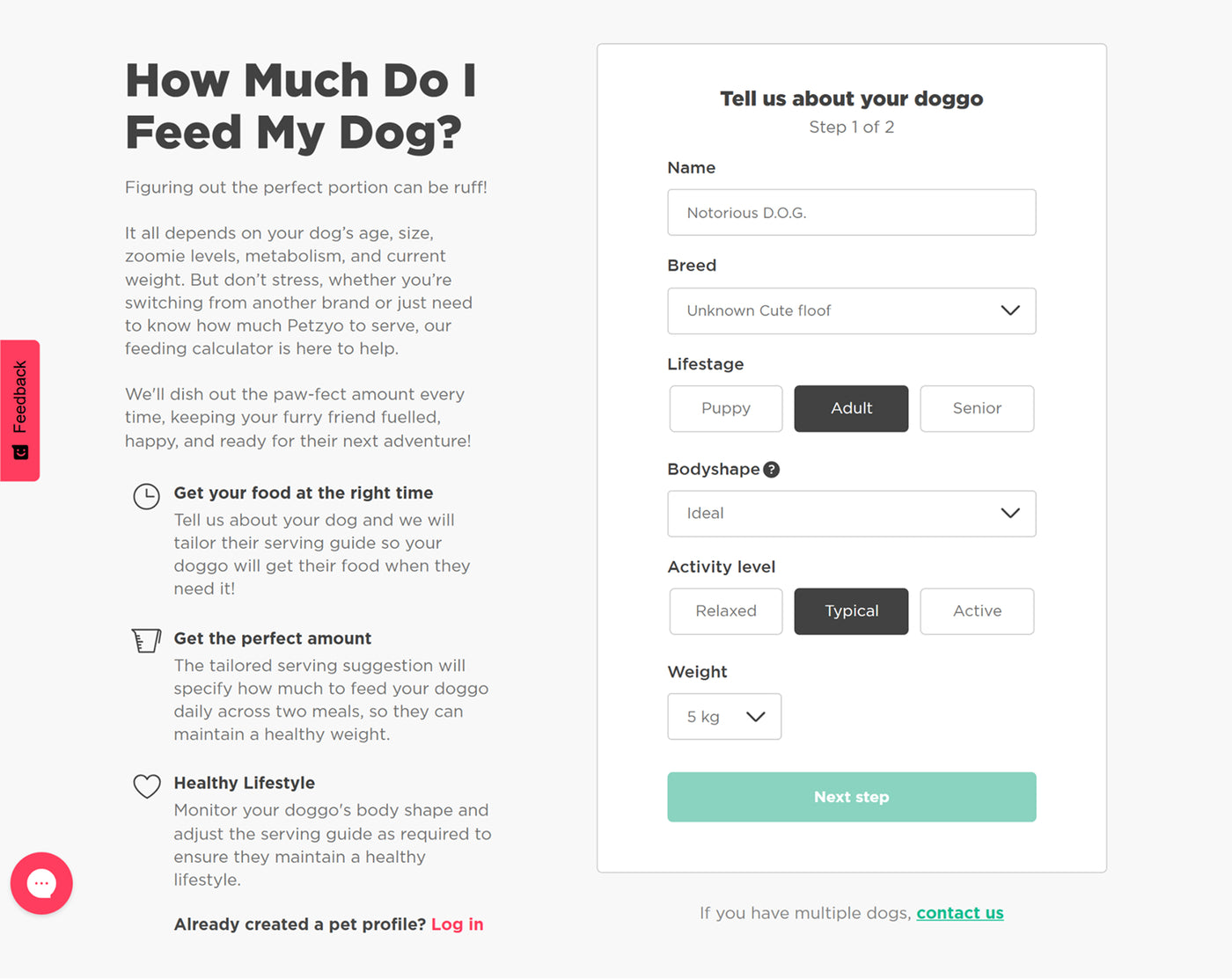
A fit Labrador should have a visible waistline and easily felt ribs, not too bony, but not buried under layers of fat either. When in doubt, use a feeding calculator to help adjust your Lab's portions.
Shedding Amount
Drooling
Coat Grooming Needs
Trainability
Mental Stimulation Needs
Labrador's Grooming & Maintenance
Labradors have a short, dense double coat that sheds lightly year-round and more heavily during seasonal changes. Regular grooming helps distribute oils for shine, supports skin health, and keeps your Lab comfortable.
Brushing, Bathing & Coat Care
- Brushing: Once or twice a week; daily during shedding. Use a slicker brush or grooming mitt to remove loose hair and spread natural oils.
- Bathing: Every 6-8 weeks or when needed. Over-bathing can strip natural oils and dry the skin.
- Don’t shave. Their double coat naturally regulates temperature and protects from sunburn.

General Hygiene & Maintenance of Labradors
- Ears & Nails
Check ears weekly for moisture or odour; trim nails monthly to prevent cracking or discomfort.
- Teeth & Eyes
Brush teeth a few times a week and wipe eyes gently to remove buildup or discharge.
Consistent grooming promotes comfort, reduces allergens, and keeps your Lab looking its best.
Training & Exercise Needs for Labrador Retriever
Labradors aren’t just lovable, they’re incredibly sharp, too. Their quick minds and willingness to please make them standout learners, whether you’re teaching basic commands or more advanced tasks.
How Smart Are Labrador Retrievers?
Labrador Retrievers are not just friendly, they're incredibly smart, too. Ranked 7th on Stanley Coren’s list of the smartest dog breeds, they fall into the “brightest dogs” category. That means most Labs can learn new commands in fewer than five repetitions and obey them with 95% accuracy or better.
Their intelligence goes beyond obedience. Labradors are known for their problem-solving skills, emotional intuition, and eagerness to please, which is why they do so well in roles like service work, search-and-rescue, detection roles, and therapy. They’re quick to learn, consistent in performance, and among the most dependable breeds you’ll ever meet.
How Easy Is It to Train a Labrador?
Labradors are one of the easiest breeds to train, thanks to their high intelligence and eagerness to please. They thrive on positive reinforcement - treats, praise, and play go a long way. With consistency and patience, most Labs master basic commands within just a few days.
Their natural enthusiasm makes them fast learners, but it also means they need early socialisation and obedience training to stay well-mannered and focused. Start early, keep sessions short and fun, and you’ll find your Lab is not only cooperative, but genuinely excited to learn.

Activity & Mental Stimulation Needs
Labrador Retrievers are high-energy dogs that thrive on daily exercise and mental stimulation. Without enough activity, they can quickly become bored, and a bored Lab often turns to chewing, digging, or other unwanted behaviours. Aim for at least 60-90 minutes of physical activity per day, which can include walks, runs, swimming, or interactive play like fetch and tug.
Beyond exercise, Labs need daily mental engagement, such as puzzle toys, scent games, or basic obedience refreshers to keep their minds sharp. Their affectionate nature also means they crave companionship, so regular interaction with family members is just as important as physical activity.
Add in a balanced diet, consistent grooming, and routine vet care, and you’ve got the foundation for a healthy, happy Lab who’s well-adjusted both physically and emotionally.
Vet Bills
AUD $100 – $1,200 annually

Food
AUD $60 – $100 monthly

Grooming & Hygiene
AUD $240 – $600 annually
Pet Insurance
AUD $40 – $100+ monthly
Cost & Ownership Considerations
The price of a Labrador Retriever isn’t just about the initial cost of buying a puppy. It includes ongoing expenses like food, grooming, health care, and training, which vary depending on breeder quality, location, and lineage.
Initial Purchase Price
The Labrador Retriever cost varies based on whether you choose to adopt from a rescue organisation or purchase from a breeder:
- Adoption: Adopting a Labrador from a shelter or rescue group typically costs between $100 and $1,100, depending on the dog's age, location, and the organisation. This fee typically includes vaccinations, spaying or neutering, and microchipping.
- Breeder: Purchasing a Labrador Retriever from a reputable breeder ranges from $1,000 to $5,000, influenced by factors such as pedigree, breeder reputation, and location. Premium breeders, especially those offering champion bloodlines, may charge upwards of $6,500 to $7,500.
Total costs depend on age, breeder reputation, and location. Always verify health screening and reputation before buying or adopting a Labrador.
Ongoing Ownership Costs
Owning a Labrador usually costs $150-$250 per month, covering food, vet care, and basic essentials.

Vet Bills
Vet Visits & Preventive Care are estimated to be around $100-$1200 per year. Includes vaccinations, checkups, flea/tick treatments, ear cleaners and dental cleanings.

Food
Estimated Monthly Food Cost: AUD $60 – $100 (depending on quality and portion size) Labradors require high-quality food to support their large size, joints and energy levels.

Grooming & Hygiene
Estimated Monthly Grooming Cost: AUD $20 – $100 (if done at home, more with professional grooming)

Pet Insurance
Expect to pay AUD $40 – $100+ per month, depending on coverage. Insurance helps cover unexpected health issues common to the breed.
Ideal Home Environment for Labradors
Labradors do best in homes with plenty of space to roam, like those with fenced yards or easy access to parks. They’re social dogs who crave daily exercise, interaction, and mental challenges. While they’re adaptable, they’re not the best fit for homes where activity levels are low. Like most retriever dog breeds, Labs thrive when they’re involved in the family’s everyday activities and get the attention they need.
Pros & Cons of Owning a Labrador Retriever
Labradors are loving, intelligent companions, but they do require a bit of commitment.
Reasons to Choose a Labrador
The benefits of owning a Labrador include their friendly nature, strong bond with families, and easy trainability. Labs are patient around children, cooperative with other pets, and quick to respond during training. Their adaptable nature suits roles such as family pets, therapy dogs, or service companions.
Challenges to Consider Before Adoption
The challenges of owning a Labrador include their high energy, need for constant attention, and tendency to shed heavily throughout the year. They become destructive when they are bored or under-exercised. Labs have big appetites and are prone to obesity without careful portion control and daily activity.