Petzyo Top Breed Guide
Pomeranian

QUICK FACTS
Height: 18 to 30cm (7 to 12 inches)
Weight: 1.8-3.5 kg (4-7 lbs)
Lifespan: 12-16 years
Coat Type: Long, dense, double coat
Colour Variations: White, black, orange, blue, sable, and more
Energy Level: Moderate to High
Grooming Needs: High (frequent brushing and regular trims required).
- Breed Overview
- Physical & Appearance
- Personality
- Health & Diet
- Grooming & Care
- Cost & Ownership
History of Pomeranians
The Pomeranian's origin traces back to the Arctic working dogs of the Spitz family. It is the smallest member of the Spitz breeds. They are a miniaturized descendant of the Spitz sled dog breeds (the Akita, Alaskan Malamute, Chow Chow, and Samoyed). The Pomeranian is considered to be descended specifically from the larger German Spitz. Due to this ancestry, they are sometimes called zwergspitz in many countries, which means “dwarf spitz”.
They were originally much larger and used for sledding and herding in regions around modern-day Poland and Germany, particularly in the historical area of Pomerania, from which they take their name.

Historical Popularity and Royal Influence

The transition from a medium working dog to a compact companion began in Britain. Breeders sought a smaller household-friendly variant, but the shift accelerated when Queen Victoria championed the breed. Her interest in the late 19th century drove intense selective breeding for reduced size and a wider range of colours.
After acquiring a small red sable Pom named Marco in 1888, Victoria promoted the miniature type through her kennel and dog show exhibitions. Her influence halved the breed’s size within a generation and established the modern Pomeranian’s profile. This royal endorsement shaped global perception of the breed and set the foundation for the Pomeranian as a fashionable, expressive companion dog.
Famous Early Owners:
Theologian Martin Luther, artist Michelangelo, Isaac Newton, composer Mozart, and Joséphine de Beauharnais owned Pomeranians.
Show Achievements
- In 1926, Glen Rose Flashaway became the first Pomeranian to win the Toy Group at Westminster.
- In 1988, Great Elms Prince Charming II became the first Pom to win Best in Show at Westminster.
BREED SUMMARY
The Pomeranian, often affectionately called Pom, Pommy, Pome, or Zwergspitz, is a small, lively, and affectionate toy dog, typically weighing between 3 to 7 pounds and standing 7 to 12 inches tall. Known for their bold personalities and fox-like appearance, they feature a thick double coat, pointed ears, and a plume-like tail.
Pomeranians are intelligent, loyal, and energetic, making them excellent companions for families and individuals alike. They thrive on attention and affection but can be stubborn and vocal, requiring consistent training.
Grooming is essential, with regular brushing needed to maintain their coat, especially during shedding seasons. They also require proper dental care due to their small size. Poms enjoy short walks and play, but be mindful of their tendency to overheat or strain themselves.
With the right care, including a balanced diet and regular vet visits, Pomeranians live between 12 to 16 years and make delightful companions for those prepared for their grooming and training needs.
Pomeranians require a balanced diet rich in high-quality protein, healthy fats, and essential nutrients to support their energy levels, coat health, and overall well-being. High-quality raw dog food and premium dry dog food like those designed specifically for small breeds help maintain their health, promote digestion, and support their long lifespan.
FAQs About Pomeranians
Is a Pomeranian a Good House Dog?
Yes, the Pomeranian is considered an ideal companion and is highly adaptable, making it generally well-suited for domestic life, especially in smaller settings.
What is the Real Price of a Pomeranian?
The price of a Pomeranian typically ranges from $500 to $5,000, depending on factors like pedigree, breeder reputation, and location. Most Pomeranians fall between $1,000 and $3,000.
What is the Common Issue with Pomeranians?
Pomeranians are prone to health issues such as dental problems, luxating patellas (knee problems), and collapsed trachea. Regular veterinary care is essential to manage these risks.
What is the Behaviour of a Pomeranian Dog?
Pomeranians are lively, intelligent, and confident dogs. They are outgoing and often described as spunky and bold. They tend to be affectionate with their family but can be vocal and territorial, making them excellent watchdogs.
Coat type
Coat length
Physical & Appearance of the Pomeranian
The Pomeranian is a compact, active toy dog breed renowned for its "puffball" appearance, foxy face, and vivacious personality. Despite its tiny size, the Pomeranian has a bold and confident presence, making it a standout among toy breeds.
The profuse double coat, consisting of a soft undercoat and a longer, harsher outer coat, forms a luxurious ruff around the neck and chest, while feathering on the tail and hindquarters adds to its fluffy charm. Its tail is carried high, fanning over its back in a graceful arch, completing its elegant yet energetic look.
Head features:
- Head: The Pomeranian’s head is slightly rounded and well-balanced, providing a harmonious look to the breed’s face.
- Muzzle: Their small muzzle is always shorter than the skull, contributing to their fox-like expression.
- Ears: Pomeranians have prick ears that stand upright, enhancing their alert appearance.
- Eyes: The eyes are dark and almond-shaped, medium in size, and set back in the skull. Their eyes reflect curiosity and intelligence, adding to their expressive, lively look.
- Nose: The nose is typically dark or the same color as the coat, completing their balanced and expressive face.
Standard Colours & Markings
Pomeranians are one of the most colorful breeds, coming in a wide variety of colors and patterns. There are over 20 Pomeranian colours officially recognised by the ANKC, ranging from classic shades to rare patterns.

Orange
Most popular; can be solid or shaded

Red
Deep rust color almost appearing like a very dark orange

Cream
Pale beige tone, often with light points

White
Pure snow-white with no cream or yellow tint

Black
Deep, glossy coat; solid black nose and paws
Other Recognised Colors and Patterns:
Pomeranians can also be found in:
- Sable: Base colour with black-tipped guard hairs.
- Parti-colour: White with clearly defined patches of any colour.
- Merle: Mottled pattern (controversial due to health concerns)
- Brindle: Tiger-striped pattern over any base coat.
- Chocolate: Rich brown tone with matching pigmentation.
- Blue: Slate-grey hue with a matching nose and paw pads
- Tan: Black and tan, blue and tan, chocolate and tan, cream sable, red sable and spotted.
Rare colours like blue merle and lavender are eye-catching but may come with genetic risks. Always choose breeders who prioritise health over novelty.
Early Pomeranians were primarily white, with some occasionally being brown or black. The red color gained popularity after Queen Victoria adopted a small red Pom in 1888.
Types of Pomeranians
While the ANKC and FCI recognise only one Pomeranian breed type, enthusiasts often classify Poms by facial structure. Here’s a breakdown of the commonly referenced types of Pomeranians:

Fox-Face Pomeranians
These poms most closely aligned with the AKC breed standard and features a longer snout, wedge-shaped head, and sharp, defined facial structure.

Teddy Bear Pomeranian
This pommy has a shorter muzzle and a rounder, fuller face with a dense, fluffy coat that gives the appearance of a plush toy.

Baby Doll Pomeranian
This pome is a balanced blend between the fox-face and teddy bear types with soft expression and moderate features, not too sharp or too round.
Although widely marketed, Teacup Pomeranians are not a separate or official type. They are undersized Poms, often bred unethically, and prone to severe health issues. Always verify breeder transparency and prioritise health over novelty.
How Big Do Pomeranians Get?
This toy breed typically stays small throughout its life. Their size and appearance can vary slightly depending on type, but they remain consistently lightweight and agile, ideal for both indoor and urban living.
According to ANKC standards, Standard Pomeranians reach up to 30 centimeters tall and weigh 1.8-3.5 kg. Teacup Pomeranians, often under 1.5-1.8 kg and below 7 inches, are not officially recognised by kennel clubs and may face increased health risks due to unethical breeding.
Below is a size chart based on growth stages and ANKC breed standards:

Pomeranian Mix Breeds
Pomeranians may be small, but their personality leaves a big impression, and that charm has inspired a wide range of designer crossbreeds. Mixing a Pom with other breeds often results in dogs that are just as bold, fluffy, and lovable, but with unique traits borrowed from the other parent.
From the energetic Pomsky to the compact and feisty Pomchi, each Pomeranian mix brings something special to the table. But while these hybrids often boast adorable looks and lively temperaments, they also come with their own care needs, training quirks, and potential health concerns.
Here’s a closer look at two of the most popular Pomeranian mixes:

Pomsky (Pomeranian + Husky)
The Pomsky is a striking Pomeranian mix that blends the fluffy charm of a Pom with the bold features of a Siberian Husky. Typically weighing 7-14 kg, they often inherit the Husky’s blue eyes and thick coat, but in a more compact size. Their appearance can vary widely, depending on dominant genes.
Pomskies are playful and intelligent but may inherit the Husky’s high energy and independent streak. This can make training a challenge without consistent guidance. They require daily exercise, mental stimulation, and early socialisation. Health risks include hip dysplasia, eye disorders, and dental issues due to the mix of toy and working breed genetics.
Pomchi (Pomeranian + Chihuahua)
The Pomchi is a petite and alert Pomeranian mix, typically weighing 2-5 kg. They often inherit a foxy face, fluffy coat, and upright ears from their parent breeds. Compact and full of character, Pomchis are ideal for apartment living, but due to their size, they need gentle handling and a secure environment.
These dogs are bold, loyal, and highly alert. But may become overly vocal or wary of strangers if not socialised early. Their stubborn streak means training must be consistent and patient. Common health concerns include tracheal collapse, luxating patella, and dental disease, making early vet visits and regular oral care essential.

Affectionate with family
Good with kids
Social doggos
Playfulness
Pomeranian Temperament & Personality
The Pomeranian temperament blends boldness, intelligence, and loyalty into a small but confident package. This section explores how these traits influence their behaviour at home, around strangers, and in training environments.
What is the Temperament of a Pomeranian?

Pomeranians may be small, but their personalities are anything but. Known for their loyalty, bold spirit, and playful energy, they love being the centre of attention and thrive in homes where they’re treated like part of the family. While they form strong bonds with their owners, Poms can also be a bit stubborn and independent, especially during training.
That said, with consistent guidance and positive reinforcement, their lively temperament becomes one of their most charming qualities. Whether they’re showing off a new trick or following you from room to room, Pomeranians are full of character and always up for a bit of fun.
Pomeranians with Kids
Pomeranians can be good with kids, but they do best with gentle, older children who know how to handle pets with care. Their small size makes them fragile, and rough play can easily lead to injury. While they’re feisty, lively, bold, and spunky, this can sometimes come across as snappy, especially around toddlers who don’t yet understand boundaries.
Are Pomeranians Aggressive or Smart?
Pomeranians are not naturally aggressive, but their bold and alert temperament can lead to territorial barking or defensive behaviour if they’re not properly socialised. They may react strongly to unfamiliar people or pets, especially without early exposure and consistent boundaries.
Pomeranians rank 23rd out of 138 breeds, showing high levels of obedience and problem-solving ability. Their intelligence makes them quick learners, but also means they need mental stimulation and positive reinforcement. With proper training, their assertiveness becomes confidence, not aggression, while their smart, loyal nature truly shines.
Why do Some People Think Pomeranians Are the Worst Dogs?
Some people think Pomeranians are the worst dog due to traits like barking, stubbornness, or grooming demands. But these issues usually come from mismatched expectations, not the breed itself.
With consistent training and mental stimulation, barking can be managed. Their stubborn streak responds well to positive reinforcement and short, focused sessions. And while their fluffy coat needs regular care, a simple grooming routine makes it manageable.
For owners who understand their needs, Pomeranians are loyal, spirited, and loving companions far from the “worst” and more than worthy of a place in the right home.
Behavior Challenges in Pomeranians
Pomeranians may be charming and full of personality, but they can develop challenging behaviours without consistent guidance. Their bold nature and high alertness make them prone to excessive barking. Without structure, they may become demanding, territorial, or overly protective, leading to snapping, resource guarding, or attention-seeking behaviours.
Excessive Vocalisation (Barking)
Yes, Pomeranians are known for being vocal. Barking comes naturally to them; they’re alert, protective, and always ready to raise the alarm. Whether it’s a knock at the door or a passing stranger, your Pom won’t hesitate to speak up.
Most of this barking is driven by guarding instincts or separation anxiety when left alone. While their watchful nature makes them great little watchdogs, the noise can become a challenge without clear boundaries.
The good news? With early training, mental stimulation, and simple commands like “quiet,” you can teach your Pom when to bark and when to save their voice. Consistency and positive reinforcement are key to managing this spirited trait.
Issues with Children (Snappy/Defensive Behavior)
Pomeranians are not ideal for homes with rough toddlers. They can be temperamental, defensive, or snippy with small children. They can be easily injured if a child accidentally drops or steps on them due to their small, fragile build. They are generally better suited to homes with older children who understand how to handle them gently. Always supervise all interactions between dogs and young children.
Possessiveness and Independence
Pomeranians are intelligent and enjoy learning, but they also like their independence. They can be possessive of toys and food. Although small, this breed requires consistent and firm training; if the owner doesn't establish themself as the "top dog," the Pom will gladly take over and may become snappish.
Pomeranian Lifespan
& Health Issues

Puppy
0 - 1 years

Adult
1 - 10 years

Senior
10+ years
Pomeranians have a relatively long lifespan for a small breed. While generally healthy, their longevity depends on genetics, diet, and preventative care.
How Long Do Pomeranians Live?
On average, Pomeranians live for 12 to 16 years, often reaching their late teens with proper care and regular vet visits. Standard Pomeranians generally outlive Teacup varieties, which tend to have a shorter lifespan of 9 to 15 years due to higher health risks associated with poor breeding practices. Compared to other toy breeds like Chihuahuas or Toy Poodles, Pomeranians show similar or even better longevity when supported by good genetics, a balanced diet, and consistent health care.
Common Health Problems in French Bulldogs
Pomeranians are generally healthy, but like all breeds, they’re prone to specific conditions. Preventative care, regular vet checkups, and a balanced diet are essential to reducing these health issues and supporting long-term well-being. Here are the most common Pomeranian health issues owners should be aware of:
1. Heart Disease
Young Pomeranian puppies may be born with a congenital heart condition called a patent ductus arteriosis (PDA). These are usually identified at their first vet exam. Older Poms may develop heart murmurs or congestive heart failure. Early signs include coughing, fatigue, or reduced activity; regular vet visits are key.
2. Tracheal Collapse
A common issue in small breeds where the windpipe weakens, causing honking coughing or difficulty breathing. Avoid neck collars and manage weight to reduce strain.
3. Dental Disease
Their small mouths make them prone to tartar buildup and gum disease. Daily brushing and regular dental check-ups are essential.
4. Luxating Patella
A condition where the kneecap slips out of place, leading to limping or skipping. Keeping your Pom at a healthy weight and limiting high-impact jumping can help prevent joint stress.
5. Alopecia X (Black Skin Disease)
Causes patchy hair loss and darkened skin, especially along the back and thighs. Management includes hormonal therapies, dietary support, and regular vet monitoring.
“Teacup” Pomeranians
The extremely small size of teacup breeds can be dangerous, and can cause significant health problems relating to low blood sugar (hypoglycaemia), fluid on the brain (hydrocephalus), heart disease and other issues.
Pomeranian Nutrition & Diet Guide
Pomeranians need a balanced, portion-controlled diet to match their fast metabolism and small stomachs. According to most Pomeranian feeding guide recommendations, feeding 2-3 small meals a day helps maintain stable energy and prevent hypoglycemia. Premium dog food designed for small breeds is ideal. However, some owners prefer a mix of dry and wet food for the sake of taste and texture. Always adjust portions based on weight, activity level, and age.
Because of their small size and hypoglycaemia risk, feed Pomeranian puppies frequently, 3 or 4 small meals a day at least, to maintain normal blood glucose levels.
Best Diet for a Pomeranian
A high-quality, breed-appropriate diet for a Pomeranian should be:
- Protein-rich to support their active metabolism and maintain muscle tone.
- Balanced in healthy fats, especially omega-3 and omega-6, to nourish their skin and keep their double coat lush and shiny.
- Gentle on digestion, avoiding fillers, artificial additives, and low-quality grains that can trigger sensitivities.
- Small-breed formulated, with appropriately sized kibble to prevent choking and encourage proper chewing.
- Portion-controlled and fed in small, frequent meals to help stabilise blood sugar and reduce the risk of hypoglycaemia.
Because Pomeranians are a toy breed with a high metabolism and a tiny frame, their nutritional needs are quite different from larger dogs. They require nutrient-dense food that provides high energy in small portions. Look for formulas that contain:
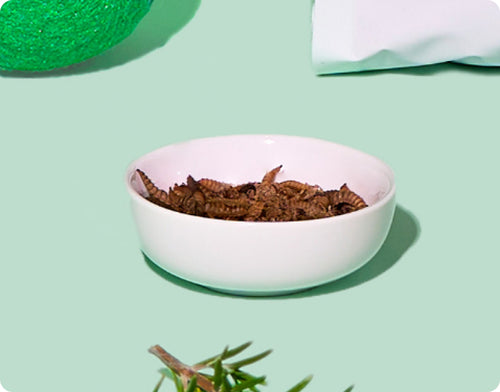
Made with single-source proteins
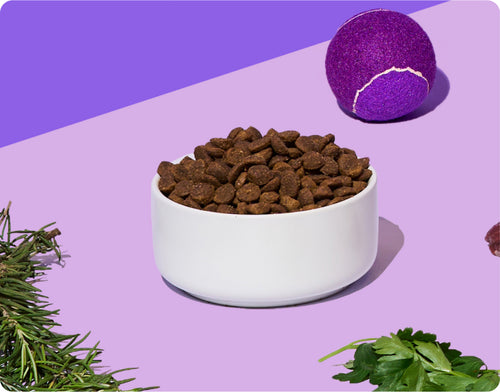
Free from dairy, wheat, soy, and corn.
Chondroitin or Glucosamine

Omega-3 fatty acids (fish oil)
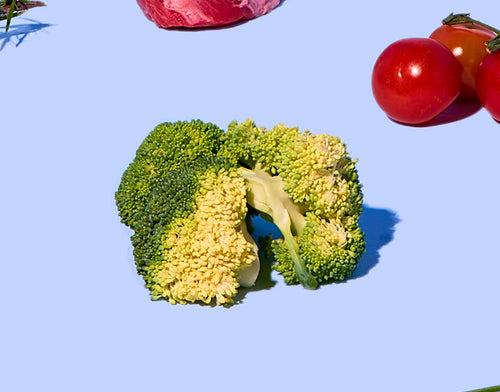
Food enriched with probiotics, antioxidants and fibre.
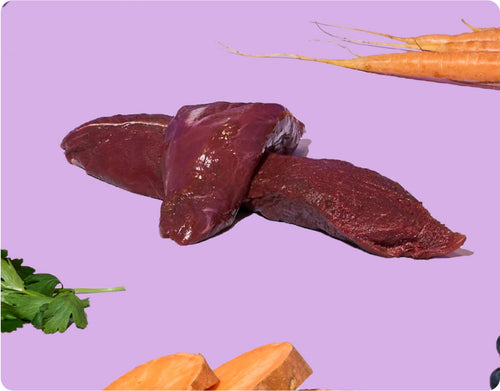
Labeled as “limited-ingredient” or “hypoallergenic”.
Foods to Avoid
Many well-meaning dog parents accidentally offer their Pomeranians foods that can be harmful. Pomeranians have small bodies and sensitive digestive systems, so even small amounts of toxic foods can cause serious harm.
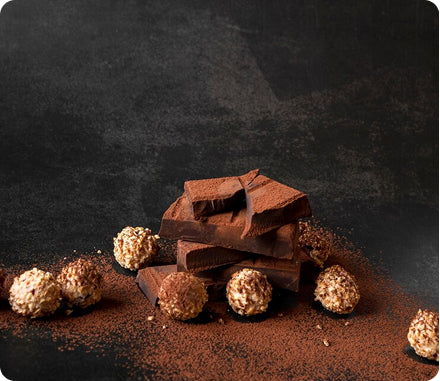
Chocolate
Contains theobromine, toxic to dogs
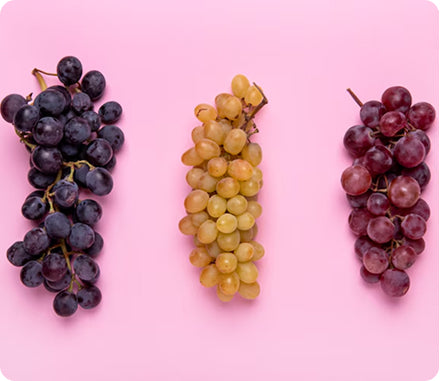
Grapes and raisins
Can cause kidney failure
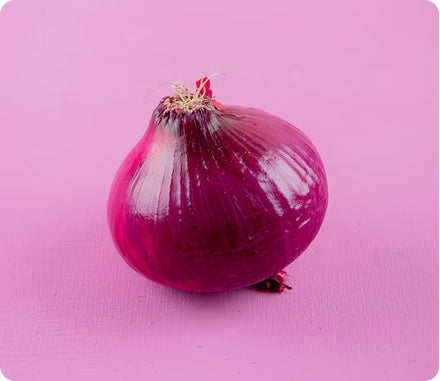
Onions and garlic
Damage red blood cells
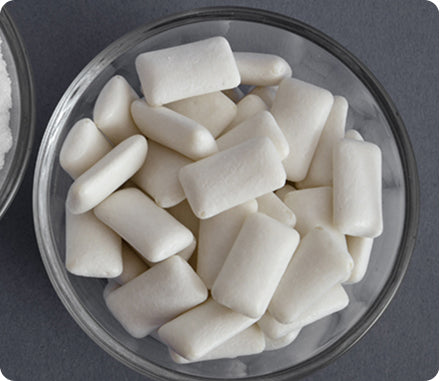
Xylitol
Can cause liver failure and insulin spikes
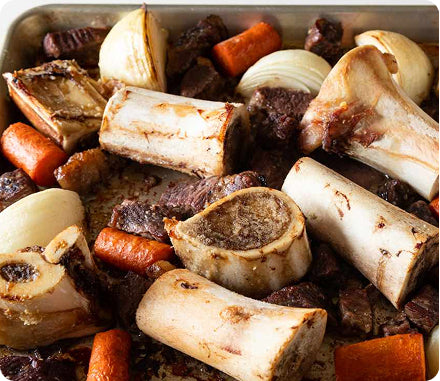
Cooked bones
Can splinter and cause internal damage
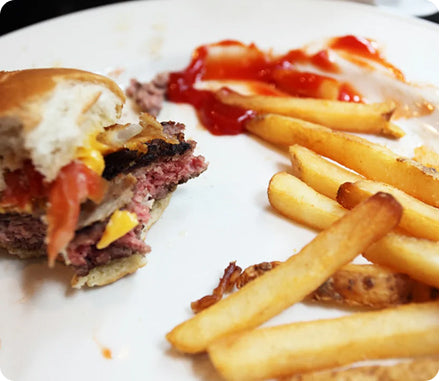
High-fat table scraps
May lead to pancreatitis
Diet and Feeding Tips
As a small breed with a fast metabolism, Poms need high-quality animal protein as the foundation of every meal, supported by healthy fats for skin, coat, and cognitive function. Balanced vitamins, minerals, and antioxidants are essential to maintain their immune system and overall wellbeing.
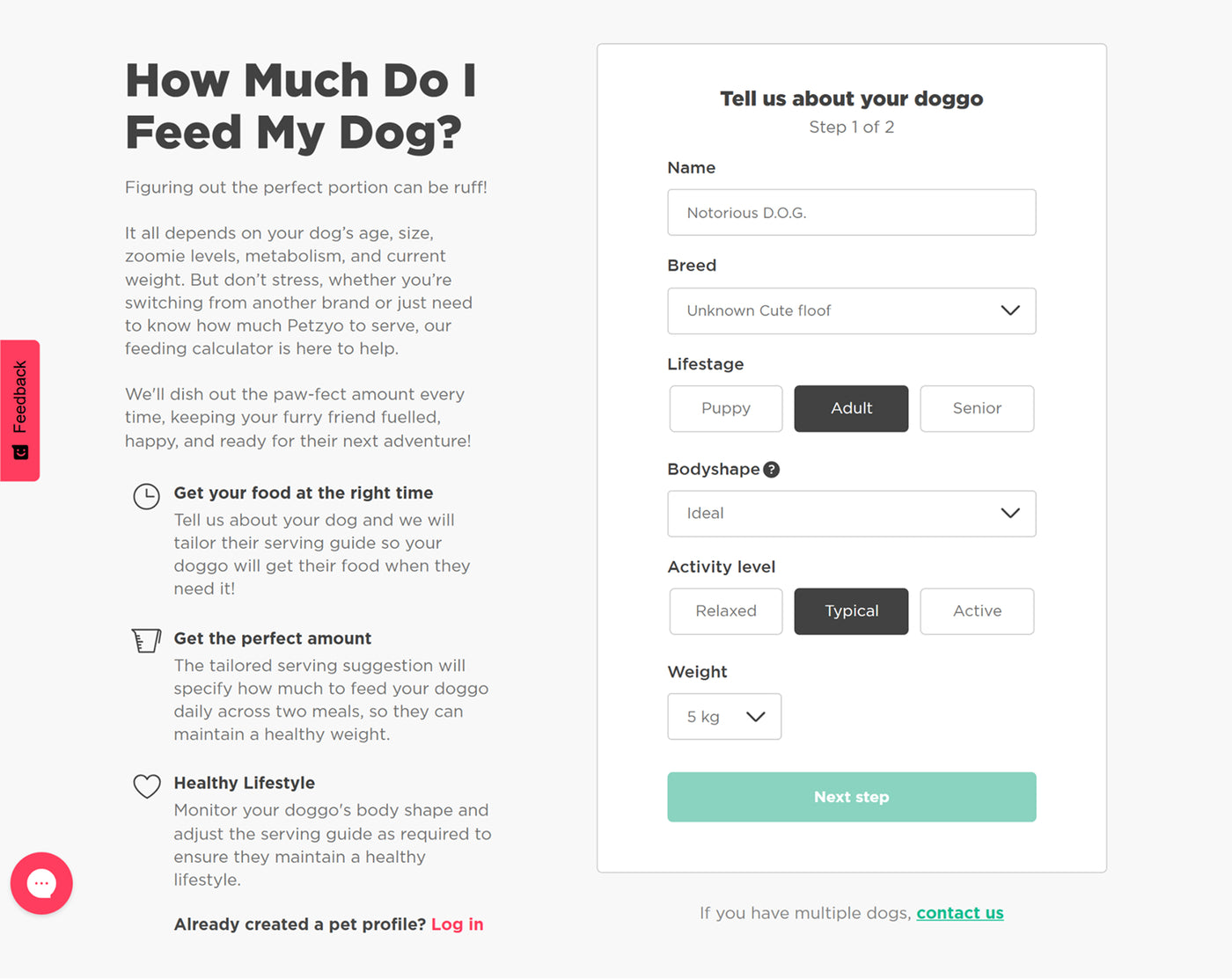
Adult Pomeranian Portion Size Chart (Using Petzyo Chicken & Turkey Dry Kibble)

Remember: Pomeranians thrive on a nutrient-dense diet that supports their high energy levels, long lifespan, and coat health. A properly formulated diet is your first and most powerful tool. Pomeranian puppies should be fed frequently, with multiple mealtimes daily, due to their high metabolism and low fat stores. To prevent overfeeding and obesity, owners must factor in all treats, chews, and food toppers when calculating the dog's daily food intake and calorie count.
Shedding Amount
Drooling
Coat Grooming Needs
Trainability
Mental Stimulation Needs
Pomeranian Grooming & Maintenance
Pomeranians sport a luxurious double coat that’s as eye-catching as it is high-maintenance. The outer layer is long and textured, while the undercoat is soft, thick, and prone to shedding. To keep their coat healthy, fluffy, and mat-free, regular grooming is a must. Consistent brushing not only keeps shedding under control but also promotes skin health and overall comfort.
Do Pomeranians Shed?
Yes, Pomeranians shed regularly, thanks to their thick double coat. Shedding becomes more noticeable during seasonal transitions, especially in spring and autumn, when they blow their undercoat in clumps. While their fluff is part of their charm, it does mean they’re not hypoallergenic, as both dander and shedding can trigger allergies.
To manage shedding and keep their coat healthy:
- Brush 3-4 times a week using a slicker brush and undercoat rake to remove loose fur and prevent matting.
- Bathe every 4-6 weeks with a gentle, coat-friendly shampoo to keep the fur clean and skin balanced.
- Use a detangling spray on dense areas like behind the ears, under the legs, and around the neck to stop mats before they start.
Consistent grooming not only keeps shedding under control, it helps your Pom stay comfortable and keeps that iconic puff looking its best.
The “Puppy Uglies”
Between 4–10 months, Pomeranian puppies shed their puppy coat. Patchy, uneven coat loss is normal. Continue gentle brushing to help release dead fur. The adult coat grows fuller afterwards.
Golden Rule: Never shave a Pomeranian.
Shaving can cause post-clipping alopecia (permanent coat damage), interfere with temperature regulation, and increase skin issues. Only scissor trims should be used.
How to Line Brush:
- Lay your Pom on its side.
- Part the fur until you see a clean line of skin.
- Brush the hair beneath the part downward.
- Move the part up by small sections, repeating across the entire body.
Drying Steps:
- Use a high-velocity dryer or hair dryer on cool or warm (never hot).
- Brush while drying to achieve the signature full, fluffed-out coat.
Never air-dry a Pomeranian.

Essential Hygiene Maintenance
Dental Care
- Brush daily with dog-safe enzyme toothpaste
- Expect professional dental cleaning yearly starting at age 2–3
Nail Trimming
- Frequency: Every 2–3 weeks
- Use cat-sized nail clippers or a Dremel grinder
Paw Pad Trimming (“Grinch Feet”): Trim hair on paw pads regularly to maintain traction and prevent slipping injuries.
Sanitary Trim: Keep hair around the backside short to avoid fecal buildup.
Managing Tear Stains
Pomeranians commonly develop tear stains due to watery eyes. Wipe daily with a warm cloth or canine-safe wipe. Keep the hair around the eyes trimmed short to prevent irritation.
Training & Exercise Needs for Pomeranian
The Pomeranian is an intelligent, high-energy dog whose small size means its training and exercise needs can often be met indoors or with short bursts of activity, making them an adaptable companion.
Pomeranians benefit from a simple daily routine that keeps them active without overexertion. They thrive on short, gentle activities mixed with regular mental engagement to prevent boredom and unwanted habits. Their small size and sensitive build make low-impact movement ideal, and they respond best when exercise and training are consistent and positive.
How Much Exercise Does an Australian Pomeranian Need?
Australian Pomeranians need a modest amount of daily activity, usually around 30 to 60 minutes in total, broken into short, manageable sessions. Gentle walks, brief indoor play, and light games are ideal for helping them stay fit without stressing their joints or trachea. Because they can tire quickly or overheat, especially in warm weather, it’s best to keep the pace easy and adjust activity based on your Pom’s comfort and energy levels.
Fun Activities for Your Pommy
Pomeranians thrive on engaging activities that blend movement and mental challenge:
- Walks and indoor fetch
- Obedience training
- Agility for small dogs
- Trick training
- Flyball (light versions)
- Flirt pole play
- Puzzle toys and scent games
Many Pomeranians excel in competitive obedience, agility, and even hearing-assistance roles because of their intelligence and strong work ethic.

Are Pomeranians Easy to Train?
Yes, Pomeranians can be easy to train when the approach is positive, consistent, and engaging. They’re intelligent and enjoy interacting with their owners, which helps them learn quickly. However, their independent streak means they respond best to short, reward-based sessions rather than firm or repetitive training. Clear routines, consistent cues, and making lessons feel like play keep them focused and motivated. With patience and regular practice, most Pomeranians pick up basic manners and household rules quite well.
Training Tips for Pomeranians
- Treat them like a big dog: Don’t excuse bad behaviour because they’re small; set firm, fair boundaries from day one.
- Use positive reinforcement: Reward with tiny treats, praise, and excitement. Pomeranians shut down with harsh corrections.
- Keep training sessions short: Five-minute sessions throughout the day is good enough.
- Prioritise socialisation early: Expose your Pom to calm big dogs, new people, noises, and handling between 8–16 weeks.
- Focus on barking control early: Teach a “Quiet” command and desensitise them to doorbells and common noises.
- Walk them on their own paws: Avoid carrying them too much; it builds confidence and prevents fear-based behaviours.
- Use a harness instead of a collar; it helps prevent or manage tracheal collapse.

Vet Bills
AUD $600 – $1,500 annually

Food
AUD $80 – $150 monthly

Grooming & Hygiene
AUD $200 – $400 annually

Pet Insurance
AUD $60 – $100+ monthly
Cost & Ownership Considerations
Owning a Pomeranian comes with specific financial and care responsibilities. From grooming needs to vet visits and food costs, understanding these factors is essential for a lifestyle fit that matches this breed’s energetic and attentive nature.
How Much Does a Pomeranian Cost?
The cost of owning a Pomeranian varies based on pedigree, coat colour, size, and breeder reputation. In Australia, adoption fees typically range from $300 to $1000, while puppies from reputable breeders generally cost between $2,000 and $5,000, especially those with ANKC or AKC-certified lineage.
Pomeranians with rare coat colours such as blue, lavender, or chocolate often command higher prices. Meanwhile, “Teacup” Pomeranians, despite not being officially recognised and often linked to serious health concerns, can exceed $5,000 due to high demand from eager buyers.
In addition to the upfront cost, prospective owners should budget $3,000 to $6,000 annually for ongoing expenses like grooming, premium food, vet care, training, and pet insurance. Understanding how much a Pomeranian costs involves looking beyond the purchase price to ensure long-term well-being and care.
Ongoing Ownership Costs
With a high-maintenance coat and potential health issues, it’s essential to budget for routine care, grooming, and possible dental procedures.

Vet Bills (Routine Care)
Estimated Annual Vet Costs: AUD $350 - $600 (or more for dogs with chronic issues)
This covers an annual check-up/vaccination booster ($100-$180) and comprehensive parasite prevention (flea, tick, worming), which costs about $25-$40/month.

Food
Estimated Annual Feeding Cost: AUD $600 - $900
Based on feeding a high-quality, breed-specific dry kibble, supplemented with occasional wet food or fresh treats. Pomeranians have smaller food requirements; a 2-3kg bag can last a single Pomeranian for over a month.

Grooming & Hygiene
Estimated Annual Grooming Cost: AUD $700 - $1,200+
Regular professional grooming to maintain their thick double coat and prevent matting. A full groom (wash, blow-dry, clip, nail trim) every 6-8 weeks is standard.

Pet Insurance
Estimated Annual Insurance Cost: AUD $600 - $1,100
Pet insurance is highly recommended for Pomeranians, who are prone to conditions like luxating patella, collapsed trachea, and dental problems. Insurance helps cover unexpected surgeries, which can cost thousands of dollars.
Is the Pomeranian the Right Dog for You?

Pomeranians are intelligent, alert, and full of personality traits that make them popular among small dog lovers. Known for their loyalty and charm, they thrive in households that offer consistent training, mental stimulation, and regular grooming. These are key Pomeranian facts to consider before bringing one home.
Despite their size, Pomeranians need structure, patience, and attention. They suit individuals or families with older children, especially those in smaller homes or apartments. First-time owners can succeed if they’re prepared for the breed’s vocal nature and grooming needs, as well as choosing the right food, like Petzyo’s tailored dog meals. Assessing lifestyle fit is essential to long-term happiness for both dog and owner.