Petzyo Top Breed Guide
Chihuahua

QUICK FACTS
Height: 6-9 inches (15-23 cm)
Weight: 3-6 pounds (2-3.5 kg)
Lifespan: 14-16 years
Coat Type: Smooth (short-haired) or long-haired
Colour Variations: Fawn, black, white, chocolate, cream, gold, and mixed
Energy Level: Moderate
Grooming Needs: Low for smooth coats, moderate for long-haired varieties
- Breed Overview
- Physical & Appearance
- Personality
- Health & Diet
- Grooming & Care
- Cost & Ownership
History of the Chihuahua Breed
The Chihuahua may be tiny, but its history is rich, fascinating, and deeply rooted in ancient culture. From sacred companion dogs in pre-Columbian civilizations to beloved modern-day pets and pop culture icons, the breed has come a long way. Understanding where Chihuahuas come from helps explain their strong-willed nature, their fierce devotion, and how they became one of the world’s most recognisable toy breeds.
The Chihuahua is a Mexican breed of toy dog, known in Spanish as the Chihuahueño, and is recognised as one of the smallest dog breeds in the world.
Named after the Mexican state of Chihuahua, the American Kennel Club (AKC) first registered a Chihuahua named Midget in 1904. The first Australian imports of the Chihuahua arrived in the 1930s, but the breed did not make an appearance in Sydney until the 1950s.
Origins and Development of the Breed
The Chihuahua origin story begins in ancient Mexico, where they are believed to descend from the Techichi, a small companion dog kept by the Toltecs and later the Aztecs. These dogs were valued for both companionship and spiritual significance. The modern breed was further refined in the U.S. and officially recognised by major kennel clubs like AKC and ANKC in the early 1900s. Today, breed preservation efforts focus on maintaining their unique traits and historical lineage.

The Chihuahua’s Rise in Popularity

Chihuahuas rose in popularity thanks to their compact size, bold personality, and strong presence in pop culture. Celebrity influence played a major role - Paris Hilton’s Chihuahua, Tinkerbell, became a style icon on “The Simple Life”, sparking the early 2000s “purse dog” trend.
“Actor Jeremy Renner” introduced his Chihuahua, Hershey, as his emotional support animal on The Tonight Show, while “Demi Moore’s dog”, Pilaf, has been seen at high-profile events like the Cannes Film Festival and even in fashion editorials.
Appearances in movies like “Legally Blonde” and the “Taco Bell mascot campaign” further boosted their visibility. The breed rose to the top of the AKC registration charts in the early 2000s. Their portability, expressive faces, and media spotlight explain why Chihuahuas remain one of the most popular toy breeds today.
BREED SUMMARY
The Chihuahua is a tiny dog with a larger-than-life personality, known for its fierce loyalty, sharp intelligence, and unmistakable apple-shaped head or deer-like head. Originating from Mexico, this Mexico’s iconic toy breed comes in two varieties: smooth-coat and long-coat, and a vast array of colours. Despite their small stature, they possess a confident and sassy nature, often acting as if they are much larger than they really are. Their compact size makes them easy to live with, but their bold nature, sharp awareness, and strong attachment to their owners mean they quickly become more than pets; they become inseparable companions.
Despite their tiny frame, Chihuahuas are not effortless dogs. They can be vocal, wary of strangers, sensitive to temperature changes, and prone to dental issues, joint problems, and hypoglycaemia in early puppyhood. They require gentle handling and are better suited to homes with adults or older, respectful children who understand their delicate size.
Omega 3 & 6 to Support your CHihuahua's coat and joints
Caring for a Chihuahua involves more than just cuddles. They need consistent, positive training to manage their stubborn streak, as well as regular exercise to burn off their moderate energy. With proper care, training, and socialisation, the Chihuahua is a long-lived (up to 14-16 years), loving, and endlessly entertaining companion that packs a world of love into a tiny package.
Before bringing a Chihuahua into your life, consider whether you can offer the presence, patience, and structured routine they rely on. Their wellbeing starts with the right nutrition - premium dry dog food and BARF raw patties made specifically for small-breed and formulas that support stable energy, healthy teeth, and long-term vitality. When you feed them well, train them gently, and meet their need for security, your Chihuahua will reward you with loyalty, bold spirit, and years of spirited, heartwarming companionship.
FAQs About Chihuahua
Are Chihuahuas aggressive?
No, Chihuahuas are not inherently aggressive, but they can show defensive behaviour if they feel threatened or poorly socialised. Early socialisation helps reduce fear-based reactions. With proper guidance, Chihuahuas can be friendly and well-behaved.
Do Chihuahuas bark a lot?
Yes, Chihuahuas do bark a lot compared to many other breeds. Chihuahuas are naturally alert and vocal, often barking at new sounds or strangers. While it’s part of their instinct, excessive barking can be managed through training. Consistent routines and desensitisation help reduce unnecessary noise.
Are Chihuahuas easy to train?
Chihuahuas are moderately easy to train but can be stubborn. Whether Chihuahuas are easy to train depends on patience, consistency, and using positive reinforcement. They respond well to short, reward-based sessions. Early socialisation improves their responsiveness and attention.
Are Chihuahuas hypoallergenic?
No, Chihuahuas are not hypoallergenic. While Chihuahuas produce less dander than some larger breeds, they still shed and can trigger allergies. Regular grooming and cleaning can help reduce allergens. If allergies are a concern, consult a doctor before choosing a Chihuahua.
What’s the difference between applehead and deerhead Chihuahuas?
The difference between apple-head and deer-head Chihuahuas is mainly in skull shape and muzzle length. Applehead Chihuahuas have rounder heads and shorter muzzles, while deer head Chihuahuas have longer faces and flatter skulls. Only apple heads meet most kennel club standards. Both types are common and can make great pets.
How big do Chihuahuas get?
Chihuahuas typically reach 15-23 cm in height and weigh between 2 and 3.5 kg, depending on genetics and diet. They are one of the smallest dog breeds in the world. Despite their size, they have big personalities and high energy.
Coat type
Coat length
Chihuahua Appearance: The Long and the Short of It
Chihuahuas may be small, but there’s a surprising amount of variety packed into their tiny frames. While they’re all compact and easy to carry, their coat types, head shapes, and even ear styles can vary more than you might expect.
Discover what sets smooth-coat and long-haired Chihuahuas apart, and the signature traits that make this bold little breed so unmistakable.
Physical Characteristics and Coat Types
Chihuahuas have a look that’s hard to miss, with their signature apple-shaped heads, oversized ears, and those big, expressive eyes that seem to say everything. Despite their tiny size, usually between 15-23 cm tall and 2-3.5 kg in weight, they carry themselves with a surprising amount of confidence.
Chihuahuas come in two coat types, each with its own charm. The smooth-coated variety has a short, sleek, and shiny coat that's easy to maintain. The long-haired type, on the other hand, features a soft, flowing coat with feathering on the ears, tail, and body.
Both are equally lovable, but their grooming needs differ. Long-haired Chihuahuas need more frequent brushing to keep their coats tangle-free and looking their best.
Colour Variations in Chihuahuas
Chihuahuas may be small, but they come in an impressive range of colours that suit every personality and style. Some of the most common shades include:

Fawn

Black

Cream

Gold

White

Chocolate

Brindle

Red

Blue
You’ll also come across more unique colors like merle, lavender, or blue fawn. While these rarer shades can make a Chihuahua stand out, it’s important to know that coat color doesn’t affect their health, behaviour, or temperament. No matter the shade, their bold spirit and loving nature shine through.
The only color explicitly prohibited or disallowed according to the standard in Australia is the merle color.
How to Identify a Purebred Chihuahua
Spotting a purebred Chihuahua means paying attention to some key physical traits that reflect the breed’s standard. The most distinctive feature is the apple-shaped head, paired with a short muzzle, large round eyes, and upright ears that give them their signature alert expression.
A true purebred typically carries a high-set tail that curls gracefully over the back and walks with a confident, quick-paced gait. While you may come across deer-headed Chihuahuas with a longer snout and more slender build, only the apple head is recognised as the standard for show-quality lineage.
Coat length, whether smooth or long can vary, but in well-bred Chihuahuas, their structure, posture, and movement tend to stay consistent across generations.
Apple Head Chihuahuas vs
Deer Head Chihuahuas

Apple Head Chihuahuas have a rounded, dome-shaped skull, a short muzzle, and a sharply defined 90-degree stop. They are smaller and more compact, representing the official show standard. Their shorter muzzle can make them more prone to respiratory and dental issues, but they remain the classic, recognisable Chihuahua type.

Deer Head Chihuahuas have a longer, more tapered muzzle, a flatter skull, and a gentle 45-degree stop. They are taller, leaner, and not recognised for conformation shows. Their longer muzzle often means fewer airway concerns, giving them a more athletic, deer-like appearance while still being fully Chihuahua in every way.
Affectionate with family
Good with kids
Social doggos
Playfulness
Chihuahua Temperament and Personality
Lively, loyal, and full of attitude, the Chihuahua temperament is anything but boring. Though small in size, these dogs often display big-dog confidence and form strong bonds with their owners.

Core Personality Traits of Chihuahuas
Chihuahuas may be small, but their personalities are anything but. They are fiercely loyal and have sharp alertness. These tiny companions are incredibly devoted to their people and often act as protective little watchdogs.
They form deep bonds with their families and aren’t shy about showing affection. At the same time, Chihuahuas can be wary of strangers and quick to sound the alarm with a bark or two. Their independent streak makes them comfortable with alone time, but it also means they benefit greatly from early socialisation. With the right exposure and training, their bold spirit becomes more balanced, helping them adapt confidently to new people, places, and routines.
Chihuahua Behaviour in Different Environments
Chihuahua behaviour can change based on their environment. In city apartments, they tend to thrive with regular stimulation, but their sensitivity may lead them to react to frequent noises. In rural homes, they enjoy having more space, but it’s important to set boundaries for their safety. While they are generally adaptable, their confidence in new situations increases with early exposure and consistent routines.
Chihuahuas with Children and Other Pets
Chihuahuas can be good with kids when properly socialised, but their small size and big personalities mean they require careful supervision, especially around young children. They don’t tolerate rough handling and may nip if frightened, so gradual, calm introductions are essential. Teaching kids how to respect the dog’s space helps build trust. Early exposure to other pets and various environments enhances social adaptability. With consistency and guidance, Chihuahuas can form strong, affectionate bonds within family life.
Common Behavioural Issues in Chihuahuas
Chihuahuas are intelligent, spirited companions, but like many small breeds, they can develop behavior issues without the right guidance. Their bold nature, combined with high sensitivity, means early training and consistency are key. With consistent, reward-based training and patience, most of these behaviours can be improved, leading to a more confident, well-mannered Chihuahua.
Separation Anxiety
Due to their deep attachment to their owners, Chihuahuas can struggle when left alone. This can result in barking, destructiveness, or house soiling. Gradually increase alone time, provide puzzle toys, and create a calm, secure environment.
Excessive Barking
Chihuahuas are naturally alert and vocal. They often bark at unfamiliar sounds, people, or animals. Desensitize them to common triggers by teaching a "quiet" command, managing environmental triggers (e.g., closing blinds) and rewarding quiet behavior to reduce noise over time.
Resource Guarding
This is the tendency to protect items they value, such as food, toys, or even their owner. It is an instinctual behaviour. Use trade-up techniques to teach them that giving things up leads to rewards, never punish guarding.
Defensiveness, Protective and Aggressive Tendencies
Chihuahuas are fiercely loyal and can become overprotective of their owners. This often results in fear-based aggression, wariness of strangers, and strong reactions toward unfamiliar dogs. They may growl, snap, or lunge when they feel threatened or overwhelmed, and their natural watchdog instincts make them quick to bark at anything unfamiliar. Controlled, treat-based exposure helps build positive associations with new people.
House Training Issues and Leash Reactivity
Small bladder size makes consistency crucial. Their aversion to cold or wet weather can also lead to a reluctance to go outside. Stick to a regular potty schedule and provide indoor options like pads or litter trays when needed.
Reacting to dogs or people on walks is also a common behaviour. Use calm environments for training, a front-clip harness for control, and reward relaxed behaviour.
Prey Drive and Mouthiness
Chihuahua's prey drive might come as a surprise, but these little dogs were bred for alertness and quick reflexes; traits that can lead them to chase small animals or nip during play. While they’re not aggressive, mouthiness can become a habit if not redirected early. Using positive reinforcement and the right outlets for their energy helps manage this behaviour and keeps playtime safe for everyone.
Redirection tips:
- Use tug toys or chew toys to satisfy biting urges in a safe, playful way
- Teach impulse control with “leave it” or “drop it” commands
- Reward calm, non-reactive behaviour with treats during play or outdoor walks
Chihuahua Lifespan
& Health Issues

Puppy
0 - 1 years

Adult
1 - 9 years

Senior
9+ years
The average lifespan for a Chihuahua is 14 to 16 years. Chihuahuas are widely recognised as one of the longest-living dog breeds, capable of enjoying well over a decade of robust, happy life and often much more when their small size, health sensitivities, and nutritional needs are properly supported.
Common Health Problems in Chihuahuas
Chihuahuas are generally long-lived and healthy, but their small size and genetic predispositions make them vulnerable to certain conditions. Understanding these risks allows owners to stay proactive with vet care, weight management, and responsible breeding practices.
1. Dental Disease
Chihuahuas are highly prone to periodontal disease due to their small jaws and crowded teeth. Buildup of tartar and plaque can lead to gum infection, bad breath, and early tooth loss.
Prevention: Daily tooth brushing, regular veterinary dental cleanings, removal of retained baby teeth, and appropriate dental chews.
2. Luxating Patella (Slipping Kneecaps)
A common orthopedic issue where the kneecap shifts out of place, causing intermittent limping or a “skipping” gait.
Management: Maintain a healthy weight and avoid excessive jumping. Severe cases may require surgical correction.
3. Hypoglycaemia (Low Blood Sugar)
Most common in puppies and very small adults. Their fast metabolism and tiny energy reserves can cause sudden drops in blood glucose.
Symptoms: Lethargy, trembling, weakness, collapse, or seizures.
Prevention: Frequent small meals and careful monitoring in young puppies.
4. Tracheal Collapse
Weakening of the cartilage rings of the windpipe leads to airway compression.
Symptoms: Harsh “goose-honk” cough, especially during excitement or when pressure is applied to the neck.
Management: Use a harness instead of a collar, control weight, reduce irritants, and follow veterinary treatment when needed.
5. Heart Disease
Chihuahuas are predisposed to mitral valve disease, the leading cause of death in older dogs. They may also be born with congenital issues like PDA or pulmonic stenosis.
Symptoms: Coughing, fatigue, exercise intolerance, fainting, or difficulty breathing.
Management: Early detection through routine vet checks and long-term medication when required.
6. Hydrocephalus (Fluid in the Brain)
A congenital neurological condition more common in Apple Head Chihuahuas.
Symptoms: Seizures, domed skull, unsteady movement, or behavioural changes.
Management: Immediate veterinary care; severe cases may require surgery.
7. Obesity
Even small weight gains put significant strain on the heart, joints, and airway. Obesity also worsens luxating patella and tracheal collapse.
Prevention: Strict portion control and daily, appropriate exercise.
Vet Checkups and Recommended Screenings
Routine Chihuahua health check appointments are essential for catching small issues before they become serious problems. Small breeds like Chihuahuas are prone to dental and joint concerns, so regular vet visits help ensure long-term wellness.

- Dental Cleanings: Prevent gum disease and tooth loss by scheduling professional cleanings once a year.
- Patella Exams: Vets check for luxating patella, a common knee issue in small breeds that can cause arthritis and lameness.
- Annual Blood Tests: Help detect early signs of liver, kidney, or thyroid problems, even when no symptoms are present; yearly blood tests are recommended.
- Heart and Lung Monitoring: Catch early signs of heart murmurs or breathing issues, especially in older dogs.
- Weight and Body Condition Checks: Monitor for obesity, which affects mobility and overall health.
Regular screenings give your vet the best chance to keep your Chihuahua healthy, active, and thriving.
Chihuahua Nutrition & Diet Guide
Chihuahuas have specific needs due to their small size, fast metabolism, and big energy. They need a balanced, portion-controlled diet to match their fast metabolism and small stomachs.
According to most Chihuahua feeding guide recommendations, feeding 2-3 small meals a day helps maintain stable energy and prevent hypoglycemia. High-quality dog food designed for small breeds is ideal, such as the dry or raw options. However, some owners prefer a mix of dry and wet food for the sake of taste and texture. Always adjust portions based on weight, activity level, and age.
Because of their small size and hypoglycaemia risk, feed Chihuahua puppies frequently, 3 or 4 small meals a day at least, to maintain normal blood glucose levels.
Adult Chihuahua Portion Size Chart (Using Petzyo Chicken & Turkey Dry Kibble)

Note: Always check your specific dog food label for calorie content and adjust accordingly. If combining wet food, reduce the dry portion accordingly. Puppies or highly active dogs may need slightly more.
Best Food for Toy Breeds
Because of their tiny size and fast metabolism, poor-quality food can quickly lead to issues like hypoglycaemia, upset stomach, and dental disease. Choosing the right diet helps stabilise their energy, protect their joints, and keep their teeth strong. Look for foods that are:
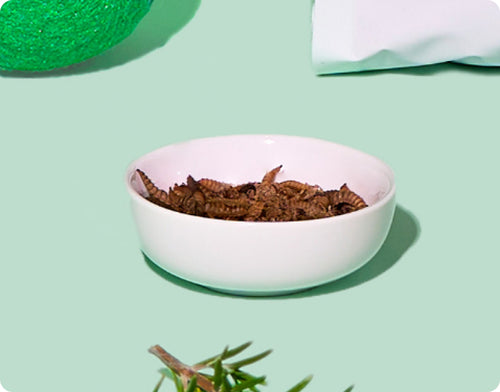
Calorie-dense and small-breed specific
Formulated with joint-support ingredients such as glucosamine and chondroitin
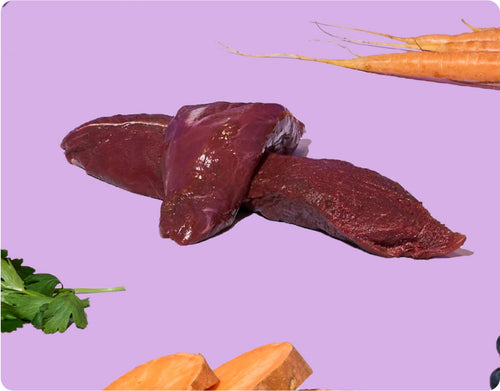
High in quality animal proteins

Rich in healthy fats
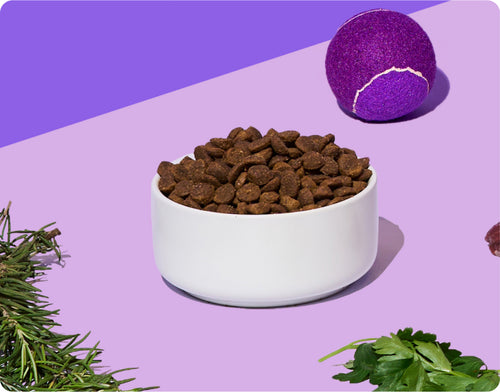
Easy to digest and sized appropriately
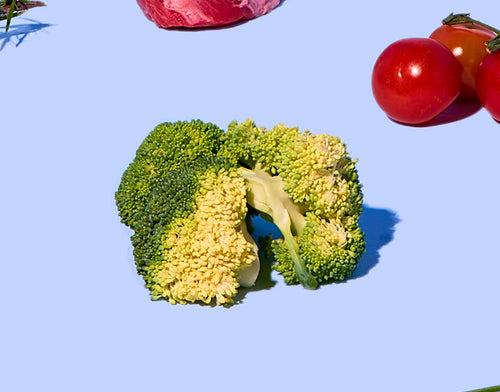
Food enriched with probiotics and fibre
Foods to Avoid
Because Chihuahuas are so small, food-related toxins affect them much faster than larger dogs.

Chocolate
Highly toxic even in tiny amounts

Grapes and raisins
Can lead to sudden kidney failure
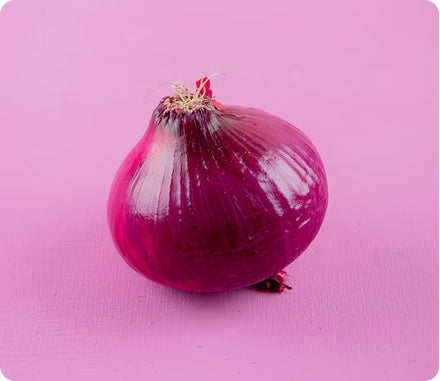
Onions and garlic
Damage red blood cells
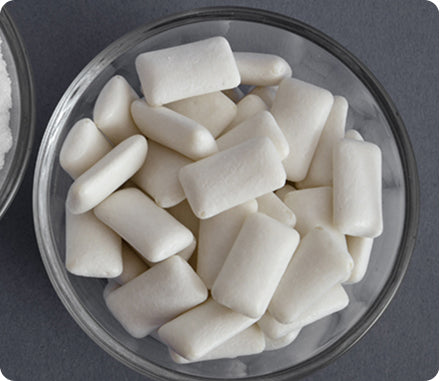
Xylitol
Causes rapid, life-threatening hypoglycaemia
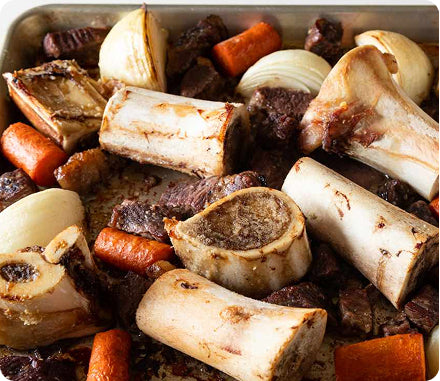
Cooked bones
Can splinter and cause choking or internal damage
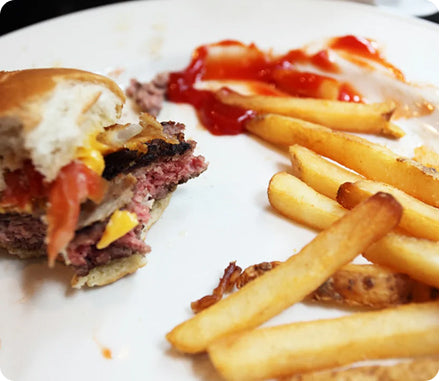
High-fat table scraps
Trigger pancreatitis and digestive upset
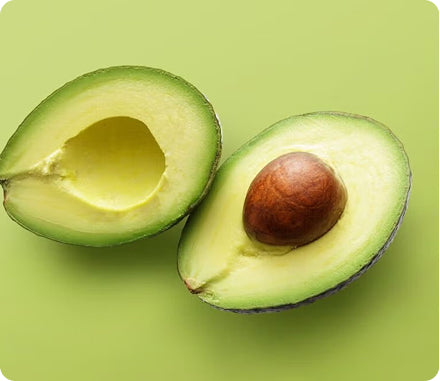
Avocado
Contains persin, mildly toxic to dogs
Managing a Chihuahua’s Weight
Because of their small size, even slight weight gain can lead to serious Chihuahua obesity issues, putting extra strain on their joints and heart. Keeping their weight in check is all about portion control, balanced nutrition, and consistent daily movement. Preventive care is much easier than reversing excess weight once it sets in.
Checklist to prevent chihuahua obesity:
- Measure meals accurately using a kitchen scale or vet-approved guide.
- Limit high-calorie treats and use training rewards sparingly
- Ensure 20-30 minutes of gentle activity daily, like short walks or playtime.
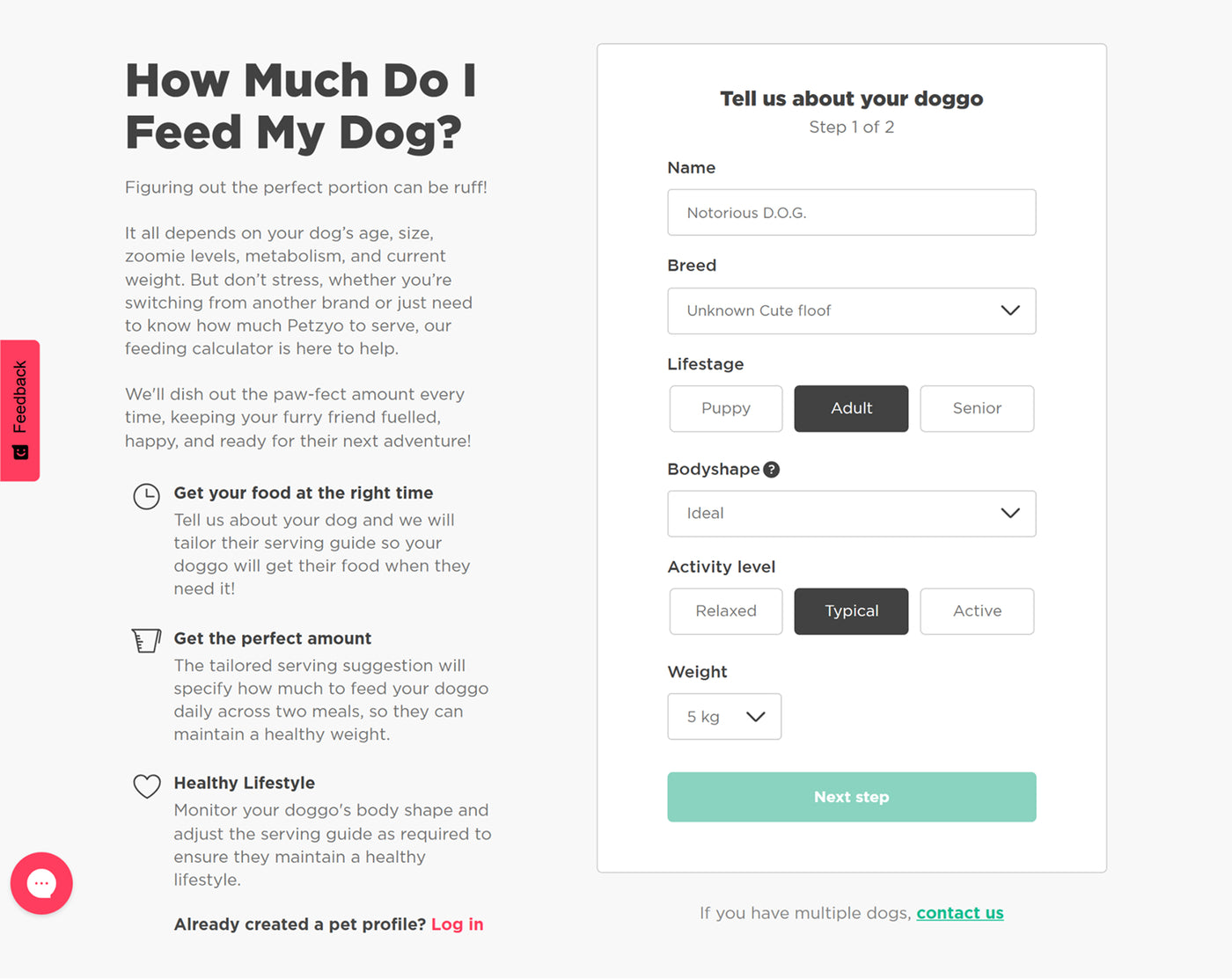
Remember: A long life starts with a healthy gut. For a Chihuahua, the right diet is the most effective way to prevent lifelong issues like dental disease, hypoglycaemia, obesity, and digestive upset. That’s why we focus on creating premium dog food appropriate for small-breed dogs that nourishes Chihuahuas from the inside out because healthy nutrition builds a strong, energetic, and happy Chihuahua.
Shedding Amount
Drooling
Coat Grooming Needs
Trainability
Mental Stimulation Needs
Chihuahua Grooming & Maintenance
Caring for a Chihuahua means staying on top of both their grooming and health routines. From dental care and coat maintenance to vet visits and common breed issues, it's important to understand how to support their long-term well-being.
Grooming Needs for Short vs. Long Coats
When it comes to Chihuahua coat care, short- and long-haired varieties have similar hygiene needs but different grooming routines. Both coat types benefit from regular grooming to keep skin healthy and reduce shedding, just with slightly different tools and techniques. Here’s a quick comparison to help you manage their hygiene more effectively:

Do Chihuahuas Shed and Drool?
If you’re asking, do Chihuahuas shed? The answer is yes, but minimally. Both coat types shed lightly year-round, with a slight increase in seasonal changes. As for drooling, Chihuahuas drool very little unless there’s an underlying dental issue or excitement. Their small size and clean habits make them easy to maintain with the right care.
Tips to manage shedding and oral hygiene:
- Brush weekly (short coat) or 2-3 times a week (long coat) to control loose hair
- Use a soft-bristle toothbrush and dog-safe toothpaste for regular dental care
- Schedule annual vet checks to monitor for dental or skin issues early

How Often to Bathe a Chihuahua
Most Chihuahuas do well with a bath every 3-4 weeks to stay clean without stripping their coat’s natural oils. Use a gentle, hypoallergenic dog shampoo to protect their sensitive skin, and rinse thoroughly to prevent residue buildup.
Overbathing can lead to dryness and irritation, so it’s best to maintain a consistent bathing schedule. If your dog spends a lot of time outdoors or has allergies, you may need to make slight adjustments, but always aim to strike a balance between cleanliness and skin health.
Training & Exercise Needs for Chihuahua
The Chihuahua, despite its diminutive size, is described as a high-energy dog with a surprising amount of energy that requires structured activity and early training to manage their bold temperament. Understanding the specific training and exercise requirements of a Chihuahua is key to raising a well-behaved and healthy companion. A stubborn streak offsets their intelligence, and their exercise needs are more about consistency than intensity.
Keeping Your Chihuahua Healthy and Active
Despite their small size, Chihuahuas require regular exercise. These dogs thrive with 20-30 minutes of daily activity, which can include short walks, indoor play, or fetch. They benefit from mental stimulation, such as puzzle toys and basic training games, to keep their minds sharp and engaged. Avoid overexertion, especially in hot weather, but maintain a consistent routine to support joint health and manage energy levels.
How to Train a Chihuahua
Whether you're a first-time pet parent or experienced with small breeds, knowing how to train a Chihuahua is key to building good habits early. Chihuahuas are intelligent and capable of learning quickly, but they require a patient and consistent approach. Their sensitive nature does not respond well to harsh training methods.
Basic Obedience and Recall Training
Chihuahua obedience training should focus on consistency, patience, and positive reinforcement. Here are the essential first steps:
- Start with name recognition: Say their name in a calm tone and reward them when they respond.
- Introduce basic commands: Use treats to teach “sit” and “stay” in short, positive sessions.
- Practice leash training indoors: Let them get used to wearing a harness and walking beside you.
- Build recall with short distances: Call them back using their name and reward immediately when they respond.
The training should begin between 8 and 10 weeks of age to establish strong behavioural foundations early.

Managing Stubbornness During Training
Chihuahua stubborn training challenges often include ignoring commands, selective listening, or walking away mid-session. These behaviours aren’t defiance, they’re signs of independence and short attention spans. Stay calm, use consistent cues, and avoid harsh corrections.
Use positive reinforcement tools, such as treats and clickers, which are most effective in keeping them engaged and motivated. Patience and repetition go a long way with this clever but headstrong breed.
How to Socialise a Chihuahua
Socialising your Chihuahua early builds confidence and prevents fear-based behaviours. Due to their alert nature, structured exposure is crucial in helping them adapt to new people, pets, and environments.
- Start with calm introductions: Gradually expose your Chihuahua to new people, pets, and environments at their own pace to avoid overwhelming them.
- Use positive reinforcement: Reward calm behaviour with treats and praise to help them associate social experiences with safety and reward.
- Desensitise to everyday sounds: Introduce household and street noises in a low-stress way to reduce reactivity and build tolerance over time.
These steps create a strong foundation for effective Chihuahua socialisation.
Tips for First-Time Dog Owners
Here are a few beginner-friendly tips to help you get started:
- Set a consistent daily routine for feeding, playtime, and bathroom breaks
- Start crate training early to establish boundaries and create a safe space
- Use positive reinforcement to reward good behaviour and build trust
- Begin socialisation as early as possible with people, pets, and new environments
- Keep training sessions short and regular to match their attention span
Chihuahuas have strong personalities, so clear rules and daily consistency are key to raising a well-adjusted pup.

Vet Bills
AUD $450 - $820 annually

Food
AUD $400 - $800 annually

Grooming & Hygiene
AUD $200 – $300 annually

Pet Insurance
AUD $400 - $800+ annually
Cost & Ownership Considerations
Owning a Chihuahua involves both initial acquisition costs and long-term care expenses, which can vary depending on whether you're purchasing from a breeder or adopting from a rescue.
How Much Does a Chihuahua Cost?
The average cost for Chihuahua puppies ranges from $800 to $2,000 with purebred puppies from reputable breeders often costing more. In Australia, purebred Chihuahua puppies range from $950 to $5,500 depending on the breeder and specific traits:
- $950 (Poodle x Chihuahua cross)
- $1,200 to $3,500 for long-coat and smooth-coat puppies
- $5,500 for "exotic" hairless Chihuahuas
- $3,000 for rare "Lilac" Chihuahuas
Chihuahua adoption fees generally range from $500 to $900 which typically covers desexing, microchipping, vaccinations, and a general health check.
“Teacup” Chihuahuas:
Be cautious of the term “teacup,” as it is not an official breed classification. Breeding Chihuahuas for smaller sizes can lead to significant health issues, and purchasing dogs marketed as "teacup" is not recommended.
Ongoing Ownership Costs
Owning a Chihuahua is a significant long-term commitment, both financially and in terms of lifestyle adjustments.

Vet Bills
Estimated Annual Vet Costs: AUD $450-$820 (or more if chronic issues develop)
Estimated Monthly Vet Costs: AUD $50 – $125
Chihuahuas are generally healthy but prone to conditions such as patellar luxation, dental disease, heart conditions, and tracheal collapse. Regular check-ups, vaccinations, flea and worm treatments, and emergency visits can add up quickly.

Food
Estimated Annual Food Cost: AUD $400 - $800 (depending on quality and portion size)
Estimated Monthly Food Cost: AUD $40 – $70
Chihuahuas require a high-quality, small-breed specific diet to maintain a healthy weight and prevent issues like hypoglycaemia and obesity. It’s important to feed them appropriately sized portions and monitor their diet carefully to avoid overfeeding.

Grooming & Hygiene
Estimated Annual Grooming Cost: AUD $200 - $300
Estimated Monthly Grooming Cost: AUD $10 - $25
Chihuahuas have minimal grooming needs, especially if they have a smooth coat. However, they require daily teeth brushing, regular nail trimming, monthly baths, and ear cleaning to maintain their health and hygiene.

Pet Insurance
Estimated Annual Insurance Cost: AUD $400 - $800 (depending on coverage)
Estimated Monthly Insurance Cost: AUD $40 - $80
Given the Chihuahua's predisposition to health problems like heart disease, dental issues, and luxating patellas, pet insurance is a wise investment. Look for plans that cover both hereditary conditions and high-cost diagnostic procedures.
Living with a Chihuahua
Sharing your home with a Chihuahua is a unique and rewarding experience, but it also comes with specific considerations. These tiny companions may be small in size, but they have big needs when it comes to comfort, climate, and daily routines. Whether you’re living in a city apartment, navigating seasonal weather changes, or planning your next trip, it’s important to understand how to create a safe, happy environment that supports their sensitive nature and bold personality.

Apartment Living with a Chihuahua
Yes, Chihuahuas are good for apartments thanks to their small size, low space needs, and ability to adapt to indoor potty setups like pee pads or litter trays. With proper training, they’re generally quiet, though their alert nature means they may react to hallway noise or nearby neighbours. Early socialisation and noise desensitisation can make a big difference. When provided with sufficient mental stimulation and regular daily exercise, Chihuahuas make excellent companions for apartment living.
Cold vs. Hot Weather Adaptation
Due to their small size and thin coats, Chihuahuas have limited temperature tolerance in both cold and hot climates. Always monitor your Chihuahua closely in extreme temperatures, as they’re more sensitive to climate changes than larger breeds.
Hot Weather Adaptation
Chihuahuas are small dogs with a low tolerance for heat, so it’s important to be mindful of the temperatures when they’re outside. During hot weather, limit walks to the early morning or late evening hours when temperatures are cooler. Avoid walking on hot pavement, as it can burn their delicate paws.
Always ensure that fresh, cool water is available for your Chihuahua at all times to prevent dehydration. You can also help regulate their body temperature by keeping them indoors during the hottest part of the day.
If you take your Chihuahua outside during the summer, consider providing some form of protection like a lightweight cooling vest to help them stay cool. These vests are designed to keep their body temperature down by retaining moisture that evaporates when they move.
Keep an eye out for signs of heatstroke, including panting, lethargy, and paw pad burns. If your Chihuahua shows signs of overheating, immediately move them to a cooler environment, hydrate them, and allow them to rest.
Cold Weather Adaptation
While Chihuahuas can tolerate short periods of cold weather, they are highly sensitive to low temperatures due to their small size and thin coat. In cold weather, it’s essential to limit their time outdoors and keep walks brief.
When taking your Chihuahua outside in chilly conditions, aim to walk during the warmest part of the day, typically midday, to avoid the harshest temperatures. Always keep an eye on their body language: shivering, reluctance to move, and cold ears or paws are signs that your Chihuahua may be too cold and needs to come inside.
To help keep your Chihuahua warm during the winter months, invest in a dog jumper or coat to provide an extra layer of warmth. These garments are especially important for long outdoor walks, as they help maintain body heat.
Even with a coat, it’s still vital to monitor their condition regularly, as cold temperatures can lead to issues like frostbite or hypothermia in small dogs. If your Chihuahua starts showing signs of cold stress, immediately bring them inside to warm up and provide fresh water.
Travelling Safely with Your Chihuahua
To travel with a Chihuahua, a few simple precautions can keep the journey safe and stress-free for both of you.
- Use a secure travel crate to prevent injury and give your dog a familiar space.
- Attach a pet seat belt harness if travelling by car to avoid sudden movement.
- Check airline pet policies in advance, including carrier size and in-cabin rules.
- Pack calming aids or familiar items like a favourite toy, blanket, or vet-approved anxiety support.
- Plan regular breaks on long trips for water, bathroom breaks, and movement
These small steps help ensure your Chihuahua travels comfortably and securely wherever you go.
Is the Chihuahua the Right Breed for You?
So, is a Chihuahua a good pet? For the right person, absolutely. Chihuahuas are loyal, lively, and full of personality, but they do best with owners who can meet their needs for companionship, routine, and gentle handling. They thrive in smaller homes, adapt well to apartment living, and make great companions for individuals or families with older children. If you’re looking for a compact dog with a big heart and don’t mind a little sass, the Chihuahua could be a perfect match, especially when their diet and routine are supported by options like Petzyo.