Petzyo Top Breed Guide
Shiba Inu

QUICK FACTS
Height: 14.5- 16.5 inches (males), 13.5-15.5 inches(females)
Weight: 23 lbs (males), 17 lbs( females)
Lifespan: 12-16 years
Coat Type: Double coat: stiff outer layer with soft undercoat
Colour Variations: Red, sesame, black, tan, and cream
Energy Level: High; needs regular mental and physical stimulation
Grooming Needs: Moderate; seasonal shedding, weekly brushing
- Breed Overview
- Physical & Appearance
- Personality
- Health & Diet
- Grooming & Care
- Cost & Ownership
History of the Shiba Inu Breed
Behind the Shiba Inu’s sharp looks and bold personality lies a story that stretches back thousands of years. Originally bred for hunting in Japan’s rugged mountains, this ancient breed has survived war, disease, and near extinction, only to become one of the most iconic dogs of the modern era. Understanding where they came from gives new depth to who they are today.
Origins and Development
The Shiba Inu’s roots run deep, over 5,000 years, or at least to 300 B.C.E. back into the rugged mountains of Japan, where they were prized for their agility and sharp instincts while hunting birds and small game. The name "Shiba Inu" translates to "brushwood dog" in Japanese. While "Inu" simply means dog, "Shiba" is thought to mean either "brushwood," for the fiery red bushes they hunted in, or "small," a straightforward nod to their compact size.
But their history isn’t without hardship. During World War II, a combination of food shortages and a distemper outbreak brought the breed to the brink of extinction. After the war, dedicated breeders worked to preserve what was left, carefully blending the remaining bloodlines (the Shinshu Shiba, the Mino Shiba, and the San'in Shiba) to revive the Shiba’s original traits. Thanks to their efforts, the Shiba Inu remains not only Japan’s oldest native breed but also one of its most cherished.

The Shiba Inu’s Rise in Popularity
What was once a little-known Japanese hunting dog is now a global sensation, and not just among dog lovers. Shiba Inus captured hearts with their expressive faces, fox-like charm, and fiercely independent spirit. Then came the internet. The “Doge” meme catapulted them into viral fame, making their image instantly recognisable around the world. Their role as the face of Dogecoin only amplified their cultural status. Beyond the memes, the breed’s consistent traits; clean habits, loyalty, and confidence have helped cement the Shiba Inu’s place as a beloved companion in homes worldwide.
Shiba Inu Breed Summary
The Shiba Inu is an ancient Japanese breed, a fiery spirit in a compact, fox-like body. As the smallest of Japan's native dogs and a designated Natural Monument of Japan, they were originally bred to hunt in rugged mountain terrain. Today, they are a global sensation, known for their curled tail, alert expression, and vigorous independence and the most popular companion dog in Japan.
Often compared to a cat, the Shiba Inu is clean, self-reliant, and selective with affection. They are loyal to their family but naturally aloof with strangers, displaying the classic reserved Japanese dog behaviour. Without early socialisation, they may become territorial or possessive.
Shibas also have a pronounced prey drive and are known as escape artists, so secure fencing and leashed walks are non-negotiable. One of their most distinct traits is the dramatic “Shiba scream”, a high-pitched vocalisation used when stressed or excited.
Weighing between 7-11 kg, the Shiba's athletic frame is covered in a thick double coat that comes in red, sesame, black and tan, or cream, all featuring the signature urajiro (cream-to-white) markings. While they groom themselves fastidiously, they are heavy shedders, especially during their seasonal "coat blows." With a lifespan of 12-16 years, Shibas are generally robust but can be prone to health issues like allergies, patellar luxation, hip dysplasia, and eye conditions such as glaucoma.
The Shiba Inu gained international fame through the "Doge" internet meme, characterised by the Shiba Inu Kabosu, and is the face of the Dogecoin cryptocurrency.
Best suited to experienced owners, the Shiba Inu is a spirited, self-reliant companion with a dignified presence and a deeply loyal nature. When you respect their independence, train with consistency, and provide firm, fair guidance, they’ll reward you with unwavering loyalty and a bond as bold as their spirit. And because Shibas gain weight easily, feed only the portions they truly need to keep them healthy and lean. Only feed them premium dry dog food and BARF raw dog food that are exclusively made in Australia with transparent ingredients.
FAQs About Shiba Inu
Why are Shiba Inus so popular on the internet?
Shiba Inus skyrocketed to internet fame thanks to their expressive faces, dramatic reactions, and one-of-a-kind personality. The “Doge” meme introduced millions to their charm, pairing their iconic look with playful, broken-English captions that went viral. Since then, their sassy, independent nature and photogenic appearance have made them a favourite on TikTok, Instagram, and beyond. They’re not just cute, they’re entertaining in a way that feels effortlessly relatable, which is why they continue to trend across platforms.
How to Identify a Shiba Inu?
Shiba Inus have a look that’s hard to miss once you’ve seen it. Their compact, fox-like build, upright triangular ears, and signature curled tail give them a striking silhouette. Add in their confident stance, almond-shaped eyes, and a thick double coat, typically in red, sesame, or black and tan, and you’ve got a breed that commands attention without trying.
Do Shiba Inus bark a lot compared to other dogs?
No, Shiba Inus do not bark a lot compared to other dogs. While they can be vocal when bored or alert, they’re generally quieter than most breeds. That said, they may “scream” when unhappy or restrained. With training and stimulation, the Shiba Inu's barking remains minimal.
Can a Shiba Inu be left alone during the day?
Yes, a Shiba Inu can be left alone during the day, but with preparation. Their independence helps, but long hours alone can lead to anxiety or destructive behaviour. Crate training, puzzle toys, and a structured routine make it easier. Limit solo time to under 6-8 hours when possible.
Is a Shiba Inu hypoallergenic?
No, a Shiba Inu is not hypoallergenic. They shed heavily, especially during seasonal coat blows, and produce dander that may trigger allergies. Regular grooming can help reduce allergens, but won’t eliminate them. People with severe allergies may not find Shiba Inus suitable.
How much exercise does a Shiba Inu really need?
A Shiba Inu really needs about 45–60 minutes of exercise per day. This includes walks, play, and mental stimulation like scent games or training. Without enough activity, they may become bored or reactive. Tailor their routine to age, health, and energy level.
How expensive is it to own a Shiba Inu?
Owning a Shiba Inu can be moderately expensive. Expect to spend $3,000–$8,000 upfront for a puppy from a reputable breeder. Ongoing costs include food, vet care, insurance, grooming, and training, averaging $100–$200 monthly. Emergency care and supplies may increase that.
Are Shiba Inus good for first-time dog owners?
No, Shiba Inus are not ideal for first-time dog owners. Their stubbornness, independence, and prey drive make them challenging without prior experience. They require structured training, consistency, and patience. A more beginner-friendly breed may be better for new owners.
Coat type
Coat length
Shiba Inu Appearance: The Long and the Short of It
Compact but commanding, the Shiba Inu carries a striking balance of power and elegance in a small frame. From their curled tail and upright ears to the dense, double-layered coat, every detail plays a part in their instantly recognisable silhouette.
Physical Characteristics and Coat Types
Shibas may be small, but there’s real strength packed into that compact frame, deep chest, sturdy legs, and a posture that always feels alert, never lazy. Their upright ears and almond-shaped eyes give them that sharp, expressive look, and the curled tail? It’s like their signature flourish.
The coat is one of their standout features: thick, double-layered, and built to handle the elements. Soft underneath, coarse on top, you will notice the moment you run your hand over it. Everything about their build speaks to agility, confidence, and quiet power.
Color Variations of the Shiba Inu
One of the first things you’ll notice about a Shiba Inu is its striking coat, and no matter the shade, it always leaves an impression. While red is the most iconic (and fox-like), the breed comes in a few officially recognised variations, each with its own unique charm.

Red
The classic look: bright, warm, and unmistakably Shiba.

Sesame
A red base beautifully blended with evenly distributed black-tipped hairs.

Black and Tan
Sleek black coat with rich tan accents on the legs, face, and underside.

Cream
Soft, pale ivory with minimal contrast, not preferred for showing, but still loved by many.
Regardless of the colour, all Shibas should display urajiro, the pale cream or white markings on the chest, cheeks, and belly that give their coat even more character. While non-standard colours do pop up from time to time, they fall outside official breed standards.
Affectionate with family
Good with kids
Social doggos
Playfulness
Shiba Inu Temperament & Personality

Living with a Shiba Inu is a bit like living with a cat in a dog’s body - fiercely independent, quietly observant, and always a little bit on their own terms. They’re bold, clever, and full of quirks that can surprise you in the best (and sometimes most stubborn) ways. Understanding their temperament is key to building trust, managing expectations, and creating a balanced relationship, both at home and out in the world.
Core Personality Traits of Shiba Inus
Shiba Inu temperament is best described as independent, intelligent, and alert. They’re fiercely loyal but often prefer doing things their way, so don’t expect a clingy lap dog. Their stubborn streak means training takes patience, but their sharp instincts make them quick learners. While they’re not aggressive by nature, poor socialisation can make them territorial or reactive, especially with other dogs. A calm, structured home brings out their best.
Shiba Inu Behaviour in Different Environments
Shiba Inu's personality tends to shift depending on its surroundings. Indoors, they’re clean, quiet, and independent, often keeping to themselves. Around children, they’re tolerant but not overly affectionate, so supervision is key. Outside, their prey drive kicks in, making them alert and quick to chase. In new places, they can be cautious or aloof, preferring familiar routines and surroundings. Early exposure helps them adapt more confidently.
Shiba Inus with Children and Other Pets
Shiba Inu with kids requires close supervision, especially in homes with young children. While Shibas can be affectionate, they’re also independent and may react poorly to rough handling or unpredictable behaviour. Always supervise play, teach children to respect the dog’s space, and avoid forcing interactions.
Early exposure to other pets, especially from puppyhood, can improve compatibility, but same-sex aggression and prey drive may cause issues with small animals. Use positive reinforcement, structured introductions, and consistent routines to build safe, respectful relationships in multi-pet or child-friendly homes.
Common Behavioural Issues and How to Address Them
Every breed has its quirks: Shiba Inu behaviour problems are no exception.
Barking and Howling
Shiba Inu barking often stems from boredom, alertness, or frustration. When not getting their way, they are known for emitting a high-pitched, loud sound called the "Shiba scream". This vocalisation can be annoying to neighbors. To reduce barking, identify specific triggers (e.g., doorbells, passing dogs) and desensitise with controlled exposure.
Use bark training tools like clickers or calm commands, paired with treats, to reinforce quiet behaviour. Ensure they get enough mental and physical stimulation daily, and avoid punishing vocalisation; redirect instead with toys or interactive cues.
Separation Anxiety and Destructiveness
Though fiercely independent, Shiba Inus can still struggle when left alone, often showing signs through destructive behaviour or excessive vocalisation. The key is to build their confidence slowly. Start with short, calm departures and reward them for staying relaxed. A well-sized crate can act as a safe, den-like retreat, offering comfort and structure in your absence.
Leave behind familiar scents (like a worn T-shirt), engaging puzzle toys, or calming aids to help soothe their nerves. With patience and consistency, your Shiba can learn to enjoy quiet time on their own without stress.
Stubbornness and Trainability
Shiba Inus are highly intelligent but are often described as strong-willed and stubborn, making them challenging to train and better suited for experienced owners. They tend to obey commands only when it suits or makes sense to them. Provide consistent, reward-based methods and early socialisation to manage potential territorial or possessive tendencies.
Mouthiness and Prey Instincts
Shiba Inus come hardwired with a strong prey drive, and that can show up as nipping, chasing, or fixating on movement. Rather than suppress these natural instincts, the goal is to redirect them into healthy, controlled outlets. With the right approach, you can satisfy their drive without encouraging unwanted behaviours.
Practical ways to manage mouthiness and prey instincts:
- Offer engaging chew toys: Opt for textured or motion-based toys that mimic prey, giving your Shiba a satisfying alternative to biting hands or clothes.
- Use long-lead recall games: Safely practice chase-and-return behaviours in a fenced area with a 5–10 metre lead to reinforce recall and build control.
- Teach impulse control cues: Commands like “leave it” or “watch me” help break obsessive focus and encourage calm, responsive behaviour during high-arousal moments.
Consistency, structure, and positive reinforcement go a long way in helping your Shiba learn when to act and when to pause.
Shiba Inu Lifespan
& Health Issues

Puppy
0 - 1 years

Adult
1 - 8 years

Senior
8+ years
The average lifespan of a Shiba Inu is 12 to 16 years. Although naturally sturdy, they still depend on thoughtful, preventative care: regular vet visits, a balanced diet, and steady routines that support both body and mind.
Shibas stay healthier for longer when their owners stay ahead of common breed issues such as allergies, joint concerns, and eye conditions. Controlled feeding is especially important for this breed, as excess weight can creep up quickly and place strain on their overall health.
Common Health Problems in Shiba Inus
Like many purebred dogs, Shiba Inu health issues can include genetic and breed-specific conditions that owners should monitor early.
1. Allergic Skin Diseases
Shiba Inus are prone to canine atopic dermatitis. They are prone to environmental allergies, which can result in recurring skin and/or ear infections. Symptoms can include:
- Itching
- Red skin
- Hair loss
- Odor
A diet rich in omega-3 and omega-6 fatty acids can help soothe skin inflammation and itchiness.
2. Eye Conditions
Shiba Inus can be prone to several hereditary eye diseases that can affect their vision, particularly as they age.
- Glaucoma: An eye pressure condition that can cause pain or vision loss. Symptoms include cloudy eyes, excessive tearing, redness, or pawing at the face. Regular eye check-ups help with early detection.
- Progressive Retinal Atrophy (PRA): The gradual loss of vision. The first sign is often night blindness. There is no cure, but early diagnosis helps manage safety. Genetic testing is available and is managed through selective breeding.
3. Joint and Orthopedic Issues
While generally agile, the Shiba's compact frame can be susceptible to two main joint problems.
- Hip Dysplasia: This is a genetic condition where the hip joint doesn't form correctly, leading to instability and arthritis over time. Symptoms can include a "bunny-hopping" gait, stiffness after rest, or difficulty climbing stairs.
- Patellar Luxation: A fancy term for a dislocating kneecap, this condition is common in many small breeds. You might notice your Shiba suddenly skipping a step while running or holding a hind leg up for a moment before putting it back down.
4. Hypothyroidism
This condition occurs when the thyroid gland doesn't produce enough hormones, which can affect the dog's metabolism. It's a manageable condition but can be mistaken for simple laziness or aging.
Symptoms include:
- Unexplained weight gain
- Lethargy
- Hair loss (especially on the tail, creating a "rat tail" appearance)
- Dry skin
- Intolerance to cold
If diagnosed through a blood test, hypothyroidism is typically managed easily and effectively with a daily hormone replacement pill.

How to Keep Your Shiba Inu Healthy and Active
To keep a Shiba Inu healthy, focus on balanced weight, consistent exercise, and mental stimulation. Daily walks combined with off-leash play in secure areas help maintain fitness and manage energy. Puzzle toys and training sessions prevent boredom and support cognitive health.
Monitor food portions to avoid obesity, ideally with portion-controlled meals from Petzyo, and schedule regular vet check-ups for early detection of health issues. A well-structured routine ensures your Shiba Inu stays both physically and mentally sharp.
Vet Checkups and Recommended Screenings
Routine care plays a critical role in preventing long-term issues and detecting early signs of breed-specific conditions. A consistent Shiba Inu health checkup plan ensures your dog stays active, pain-free, and thriving year-round.
- Annual Wellness Exam: Full physical, dental check, and overall health review.
- Hip and Joint X-Rays: Screen for hip dysplasia in the first year of life, and later for early arthritis.
- Eye Exams: Detect conditions like glaucoma or cataracts common in the breed.
- Vaccination Updates: Core and lifestyle vaccines based on environment and risk.
- Blood Panels: Before any surgery and again at an older age. Monitor kidney, liver and thyroid levels and detect issues early.
Diet and Feeding Guidelines for Shibas
Shibas may be independent, but they rely on us to get a few key things right, especially when it comes to food, exercise, and routine. Their compact frame, sharp mind, and high energy mean they thrive on structure and quality care. Meeting their unique needs isn’t just about keeping them healthy, it’s about bringing out the best version of who they are.
The Ideal Shiba Inu Diet
A well-balanced Shiba diet supports energy, digestion, and coat health. Most Shibas do well on premium kibble, but some may benefit from a mix of wet food for hydration and taste.
Prioritise:
- High-Quality, Animal-Based Protein: As descendants of hunters, Shibas thrive on a diet where a named meat source like chicken, fish, or lamb is the #1 ingredient. This is crucial for maintaining their lean, muscular build.
- Healthy Fats (Omega-3s & Omega-6s): Healthy fats are critical for managing their notorious skin allergies and keeping that weatherproof double coat in top condition. Ingredients like fish oil or flaxseed are excellent sources of these essential fatty acids.
- Controlled, Quality Carbohydrates: Shibas gain weight easily. They don't need a diet loaded with cheap fillers like corn or soy. Instead, look for complex carbohydrates like sweet potatoes or brown rice that provide sustained energy.
Quick Guidelines from Petzyo:
- Feed adult Shibas 2 meals a day, with portion sizes adjusted to their weight.
- For an average 10kg Shiba, feed around 1 cup daily of Petzyo’s Chicken & Turkey dry food, split across 2 meals.
- Avoid free-feeding to prevent weight gain and stick to consistent feeding times.
- Food Type: High-protein kibble or kibble + wet food combo (Petzyo offers both with natural ingredients)
- Tip: Always have fresh water available, and occasional healthy treats onlyFeed adult Shibas 2 meals a day, with portion sizes adjusted to their weight.
Best Food for an Active Breed
Weight gain and allergic skin diseases are among the most common complaints from Shiba owners. Choose foods that are:
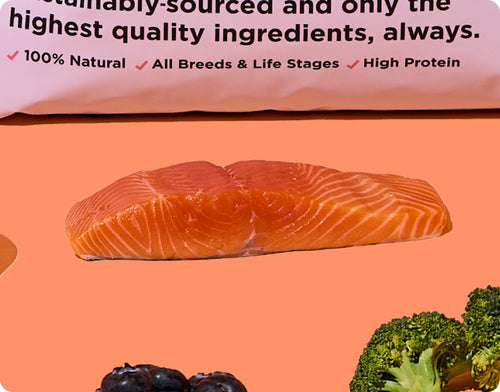
Look for healthy fatty formulas
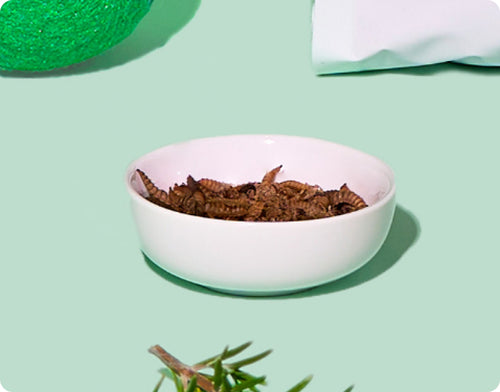
Made with animal-source proteins
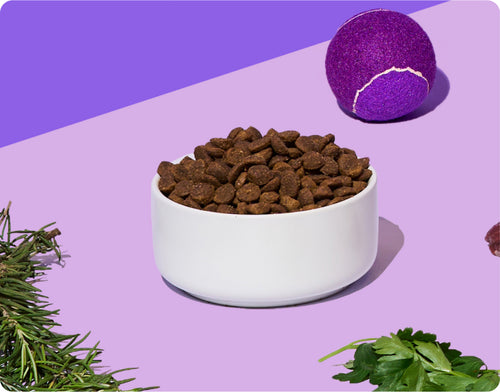
Free from dairy, wheat, soy, and corn.
Low in additives and by-products.
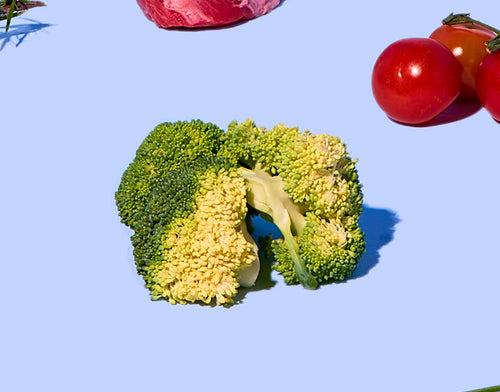
Food enriched with probiotics and fibre.
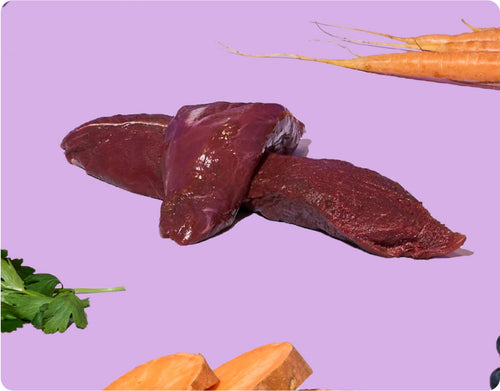
Labeled as “limited-ingredient” or “hypoallergenic”.
Foods to Avoid
Never-ever feed the following human foods that are toxic to your fur-baby:
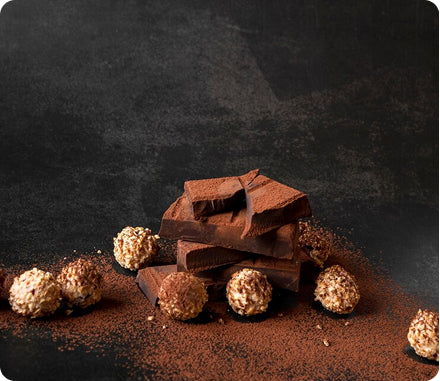
Chocolate
Contains theobromine, toxic to dogs
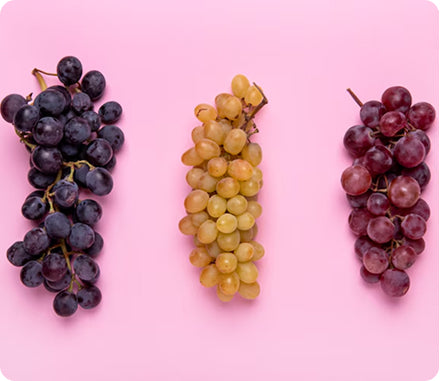
Grapes and raisins
Can cause kidney failure
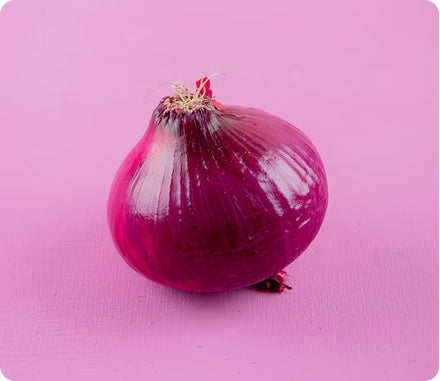
Onions and garlic
Damage red blood cells
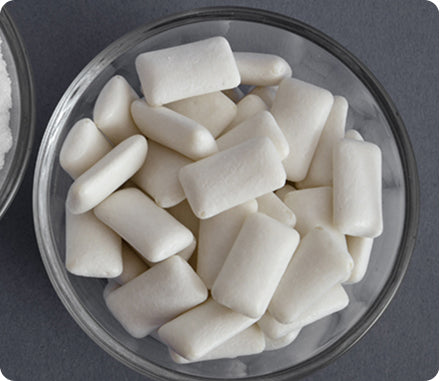
Xylitol
Can cause liver failure and insulin spikes
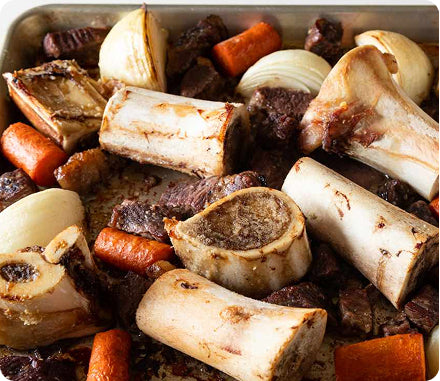
Cooked bones
Can splinter and cause internal damage
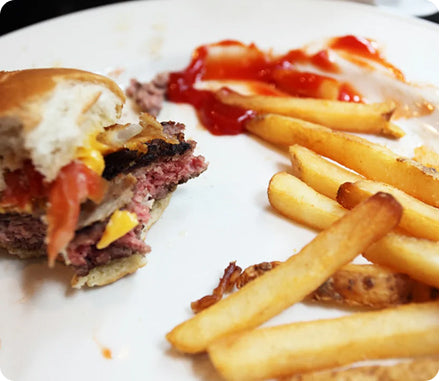
High-fat table scraps
May lead to pancreatitis
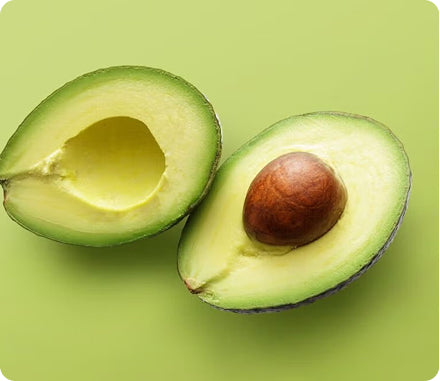
Avocado
Contains persin, mildly toxic to dogs
How to Prevent Obesity in Shiba Inus
With their compact build, even a small amount of extra weight can put strain on a Shiba Inu’s joints and overall health. Because they’re prone to gaining weight if overfed or under-exercised, keeping them lean takes mindful routines and a little discipline. The good news? A few simple habits can make a big difference.
Checklist:
- Stick to a consistent feeding schedule with accurately measured portions.
- Choose high-quality, high-protein food with minimal fillers.
- Monitor their weight monthly and adjust portions based on energy levels and activity.
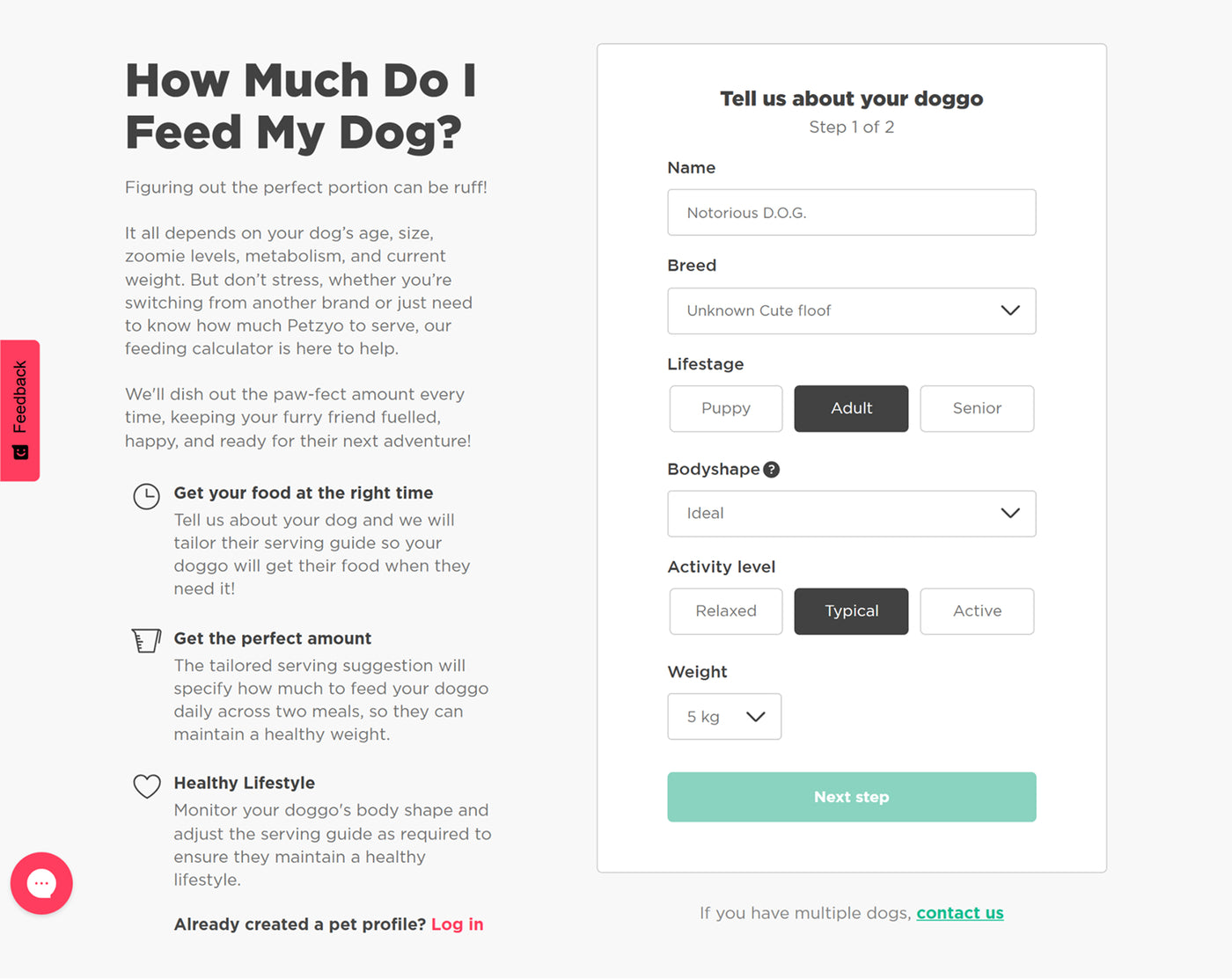
Remember: A healthy weight starts with a healthy gut. Staying on top of their diet and exercise not only helps prevent obesity, it also keeps your Shiba feeling sharp, agile, and full of life. A properly formulated diet is your first and most powerful tool to prevent long-term health issues. Use our feeding calculator to measure how much you feed your dog.
Shedding Amount
Drooling
Coat Grooming Needs
Trainability
Mental Stimulation Needs
Shiba Inu Grooming & Maintenance

Keeping a Shiba Inu healthy and looking their best isn’t complicated, but it does take consistency. The little things you do regularly for managing that infamous seasonal shedding can make a big difference. Grooming isn’t just about appearance, it’s comfort, health, and bonding time rolled into one.
Short Coat Shiba Inu
Brush: Slicker brush or grooming mitt
Brushing: 1-2 times per week; daily during shedding
Bathing: Every 2-3 months or as needed
Routine Checks: Nails, ears, teeth, every 2-4 weeks
Long Coat Shiba Inu
Brush: Pin brush and wide-tooth comb
Brushing: 3-4 times per week to prevent matting
Bathing: Every 2-3 months, use detangler for longer fur
Routine Checks: Same, with added attention to coat tangles
Regular grooming supports skin health, reduces shedding, and keeps your Shiba comfortable year-round.
Generally, bathing every 2-3 months is ideal unless they get particularly dirty. Use gentle, dog-specific shampoos to avoid drying out their skin. Regular brushing between baths also helps remove dirt and distribute natural oils for a healthy coat.
Do Shiba Inu Shed and Drool?
Yes, Shiba Inu sheds heavily, especially during seasonal coat blow periods in spring and autumn. They have a thick double coat that releases in clumps, making routine grooming essential. While they’re heavy shedders, they drool very little, typically only when stressed or anticipating food.
Tips to manage shedding and oral hygiene:
- Brush 2–3 times weekly; daily during shedding seasons
- Use a de-shedding tool like the Furminator
- Maintain hydration and a balanced diet for coat health
- Brush teeth 2–3 times a week with dog-safe toothpaste
- Provide dental chews to reduce tartar and drool buildup
Shiba Inu and Their Unique Needs
Shibas may be independent, but they rely on us to get a few key things right, especially when it comes to food, exercise, and routine. Their compact frame, sharp mind, and high energy mean they thrive on structure and quality care. Meeting their unique needs isn’t just about keeping them healthy, it’s about bringing out the best version of who they are.
Exercise Needs and Energy Outlets
Shibas are small but spirited, and without the right outlets, that energy can turn into frustration. They generally need around an hour of exercise daily to prevent boredom.
- Aim for at least two brisk walks a day (20 to 30 minutes each), paired with interactive play or agility games to keep them engaged.
- Mental stimulation is just as important; puzzle toys, scent work, and short training sessions challenge their clever minds.
- Off-leash time should always be in secure areas as Shibas are quick, curious, and not known for reliable recall.
A mix of physical and mental activity goes a long way in keeping them happy, balanced, and well-behaved.
How to Train a Shiba Inu: Tips and Best Practices
Training a Shiba Inu means working with a dog that’s smart, but famously stubborn. If you’re wondering how to train a Shiba Inu, consistency, patience, and early socialisation are key.
Basic Obedience and Recall Training
Training a Shiba Inu requires firm consistency and early structure. Here’s how to build core obedience and recall:
- Start with Leash Manners: Use positive reinforcement to reward calm walking. Avoid retractable leads early on.
- Teach Basic Commands: Focus on short sessions (5–10 mins) for “sit,” “stay,” and “down” using treats and hand signals.
- Build Reliable Recall: Practice “come” in safe, enclosed areas. Use a cheerful tone and high-value rewards.
- Repeat in Different Settings: Shibas can be situational learners, train in various environments to reinforce responses.

Socialising Your Shiba Inu
Raising a well-adjusted Shiba Inu takes more than basic training, it means helping them feel safe, confident, and in control in a world full of unpredictability. Because they’re naturally reserved and strong-willed, early and thoughtful socialisation plays a huge role in shaping how they respond to people, pets, and new environments. It’s not about making them outgoing, it’s about giving them the tools to stay calm, respectful, and secure wherever they are.
How to Socialise a High-Prey-Drive Dog
Socialising a Shiba Inu is crucial due to their high prey drive and strong-willed nature. Structured exposure helps reduce reactivity and encourages calm, controlled behaviour around animals and distractions.
- Start with Distance Desensitisation: Use leashed walks where your Shiba can see but not interact with other animals, rewarding calm behaviour to build neutral associations.
- Controlled Close-Proximity Exposure: Gradually reduce distance using barriers (like fences or crates), always keeping sessions short and positive.
- Supervised Interaction Practice: Introduce calm, non-reactive dogs or small animals under strict supervision, using verbal cues and treats to reinforce focus and control.
Managing Stubbornness During Training
Shiba Inu's stubborn behaviour is common. They often test boundaries and ignore commands when uninterested. Use positive reinforcement with high-value treats or toys to reward desired actions immediately.
When they resist, avoid punishment, redirect with a known command or break the task into smaller steps. Keep sessions short, upbeat, and end on a positive note to keep participants engaged.
Tips for First-Time Dog Owners
If you're a Shiba Inu first-time owner, here are simple, effective strategies to build a strong foundation:
- Be Consistent: Use the same commands and routines daily, Shibas thrive on structure.
- Use Crate Training: A crate provides a safe space and helps with toilet training.
- Control Your Tone: A calm, firm voice commands work better than loud corrections.
- Start Socialising Early: Expose them to people, pets, and places from a young age.

Vet Bills
AUD $400 -$1,000 annually

Food
AUD $700 - $1,200 annually

Grooming & Hygiene
AUD $300 -$700 annually

Pet Insurance
AUD $800 - $1,500 annually
Cost & Ownership Considerations
Owning a Shiba Inu is a long-term commitment that requires careful budgeting for their health, nutrition, training, and grooming. The initial purchase price is just the beginning of a larger financial investment to ensure they live a comfortable and healthy life.
Ongoing Ownership Costs
In addition to the initial cost, owning a Shiba Inu requires budgeting for their health, training, food, and grooming. Based on national‑average data, you can expect the following approximate costs - actual figures may vary depending on dog age, health, diet, region and lifestyle.

Vet Bills
Estimated Annual Vet Costs: AUD $400 - $1,000 (routine care)
Estimated Monthly Expense: AUD $40‑$85
Shiba Inus may need routine check-ups, vaccinations, and treatments for common conditions like ear infections or skin allergies. Regular vet visits help prevent costly health issues down the line. Avoiding cheap treatments and investing in quality care can save in the long run.
Tip: Build in a buffer each month because if your Shiba develops a condition like patella luxation or hip dysplasia, the cost can jump quickly.

Food
Estimated Annual Food Cost: AUD A$700-$1,200 (depending on diet quality, portion size and life stage)
Estimated Monthly Expense: AUD $60‑$130
Dog owners in Australia spend about AUD $90 per month on food on average. For an active breed like the Shiba, lean towards the higher end: premium kibble, supplements for joints/skin, and appropriate portioning matter. Cheap food might reduce your monthly bill, but long‑term, you may pay more in vet bills.

Grooming & Hygiene
Estimated Annual Grooming Cost: AUD $ 240‑$660
Estimated Monthly Expense: AUD $20‑$55
Shiba Inus have a thick double coat, heavy seasonal shedding, and need regular brushing, ear & nail care, plus flea/tick prevention. Costs depend on how much you do yourself versus paying a professional.
Tip: Brush your Shiba regularly at home (especially during “blow‑out” shedding seasons) to keep costs lower and consider professional grooming only when necessary.

Pet Insurance
Estimated Annual Grooming Cost: AUD $800 to A$1,500
Estimated Monthly Expense: AUD $90‑$120
For a Shiba Inu, pet insurance costs can vary depending on the coverage level and the dog’s age. Even if your Shiba stays healthy, insurance helps to manage unexpected costs. Without it, you could be left with hefty vet bills. Insurance provides peace of mind knowing that if the worst happens, you won’t have to shoulder all the costs yourself. If you opt for a policy that includes routine care or additional benefits, the price may go higher.
Living with a Shiba Inu

Sharing your life with a Shiba Inu is equal parts rewarding and humbling. They’re clean, clever, and full of character, but they also value routine, space, and a sense of control. Whether you're in an apartment or a family home, learning how to match their energy and respect their boundaries is key. With the right structure and environment, living with a Shiba is manageable and deeply fulfilling.
Apartment Living with a Shiba Inu
Apartment living with a Shiba Inu takes planning, but it’s completely doable with the right routine. These dogs are clean and relatively quiet indoors, but they need daily physical and mental stimulation to stay content. A mix of regular walks, puzzle toys, and a consistent schedule helps meet their energy needs. Soundproofing can help reduce stress if your Shiba is sensitive to outside noises. Additionally, balconies and windows should always be secured for safety.
Cold vs. Hot Weather Adaptation
Shiba Inus handle seasonal changes well due to their thick double coat, but they still need the right care to stay safe and comfortable year-round.
Cold Weather
In colder temperatures, the Shiba Inu's thick undercoat provides insulation, helping to keep them warm. However, you should still limit their exposure to extreme cold for prolonged periods. Short, brisk walks are ideal, and you might consider adding a dog jacket in freezing temperatures to keep them comfortable. Protect their paws with a paw balm to prevent dryness, ice, and salt damage. Ensure they have access to water at all times, as dry winter air can increase dehydration.
Hot Weather
Shiba Inus’ thick coat can trap heat, so it’s essential to manage their outdoor activity in the summer heat. Walking early in the morning or late in the evening helps avoid overheating. Always provide fresh, cool water, especially during outdoor play. Avoid walking on hot pavement, as it can cause burns or cracks to their paws. Also, make sure they have access to shaded areas and maintain good airflow indoors.
Adapting your routine by season helps keep your Shiba safe, healthy, and active throughout the year.
Travelling Safely with Your Shiba Inu
Whether by car or air, traveling with a Shiba Inu requires planning to keep them calm, safe, and hydrated. Their independent nature means secure containment and stress management are essential for smooth journeys.
- Use a crash-tested crate or pet seat belt for secure transport.
- Bring familiar bedding or toys to reduce travel anxiety.
- Offer water regularly to prevent dehydration.
- Take breaks every 2–3 hours for bathroom and exercise needs.
- Avoid feeding a full meal right before travel to reduce motion sickness.
Is the Shiba Inu the Right Breed for You?
So, is a Shiba Inu the right fit for your life? That depends on what you value in a companion. They’re clean, intelligent, and deeply loyal, but they also come with a strong sense of independence and a stubborn streak that’s not for everyone. If you appreciate routine, have patience for firm but respectful training, and want a dog that doesn’t need constant affection to feel secure, the Shiba Inu might be exactly what you’re looking for.
That said, they’re not the best choice for first-time dog owners or families with very young children. Shibas thrive in homes that respect their space, provide mental and physical structure, and understand that affection on their terms is still love, just in a quieter, more dignified form.