Petzyo Top Breed Guide
Doberman

QUICK FACTS
Height: 61-71 cm
Weight: 27-45 kg
Lifespan: 10-13 years
Breed Group: Working
Energy Level: High
Shedding Level: Moderate to High
Temperament: Loyal, Alert, Intelligent
Grooming Needs: Low – Monthly Brushing and Occasional Baths
- Breed Overview
- Physical & Appearance
- Personality
- Health & Diet
- Grooming & Care
- Cost & Ownership
The History of Dobermans
Dobermans weren’t bred by accident. They were built with a purpose, and you can tell the moment you meet one.
Back in the late 1800s, Germany, a bloke named Karl Friedrich Louis Dobermann needed a dog that could protect him while he worked. He was a tax collector, often carrying money through dodgy neighbourhoods. So he started selectively breeding dogs that were sharp, fast, strong, and deeply loyal.
The result? The Doberman Pinscher - a dog smart enough to assess danger, quick enough to act, and devoted enough to never leave your side.

Karl Friedrich Louis Dobermann – The Man Behind the Breed
Karl Dobermann wasn’t a professional breeder. But he had access to dog pounds and working breeds, so he began mixing Rottweilers, German Pinschers, Weimaraners, and a few other strong, clever types to create a new kind of dog. One that could protect, but still be manageable. One that worked, but also bonded deeply with its person.
That mix gave us the Doberman we know today: tuned-in, responsive, and built like an athlete.
From Guard Dog to Military and Police K9 Units Hero
It didn’t take long for the world to notice what these dogs could do. Dobermans became favourites in police units, search-and-rescue teams, and even served in WWII as war dogs.
Known as the “Devil Dogs” of the US Marines, they ran communications, scouted ahead, and stood guard under fire. Not bad for a breed that started with one man and a goal.
The Doberman Today
These days, Dobermans are just as likely to be found on the couch as on patrol. But don’t be fooled - they still have that built-in alertness. That instinct to protect. That need for purpose.
What’s changed is how they’re raised. Today’s Dobermans are family dogs with working-dog hearts. They’re emotional, attached, and thrive on being part of everyday life.
Whether they’re learning tricks, hiking trails, or just lying next to you with one eye open, they’re always “on.” And always by your side.
BREED SUMMARY
The Doberman Pinscher is a medium-large, athletic working dog known for its magnificent physique, keen intelligence, and fierce loyalty. Developed in Germany by Louis Dobermann in the late 1800s, the Doberman was created as an ideal protection dog and has since become one of the most popular guard dog breeds worldwide.
Dobermans are sleek, powerful, and muscular, built for speed and stamina. Males typically weigh 40-45 kg (90–100 lb) and stand 68-72 cm (27–28 in), while females weigh 32-35 kg (70–75 lb) and stand 63-68 cm (25–27 in). They have a short, smooth coat that comes in colors like black and tan, red, blue, or fawn.
Dobermans are highly intelligent, alert, and quick learners, excelling in obedience training. They are courageous, confident, and possess a natural protective instinct, making them excellent guard dogs. Early socialisation and consistent training are key to managing their wariness around strangers.
There are two primary types of Dobermans: the American Doberman Pinscher and the European Dobermann. These lines differ slightly in build and temperament, with the American variety often having a more refined appearance and a slightly milder temperament, while the European Dobermann tends to be more robust and has a stronger working drive.
Dobies are high-energy dogs that require three or more hours of exercise daily, including both physical and mental stimulation. Without enough activity, they can become destructive. They are moderate to heavy shedders and need regular hygiene care, including dental brushing and nail trimming.
While they’re relatively low-maintenance, their coat does require regular brushing to remove loose hairs and maintain skin health. Nutrition plays a key role in coat condition; omega-3s and quality protein support a glossy finish.
Look for food that is rich in protein, nutrient-dense, and a balanced diet. Provide them with premium dry dog food or BARF raw patties and see them shine as ever.
FAQs About Dobermans
How Much Does a Doberman Cost?
Bringing home a Doberman fur baby is a big decision, emotionally and financially. In Australia, Doberman puppies from ethical breeders typically range from $3,000–$6,500.
The price depends on things like:
- Pedigree (working, show, or companion lines)
- Breeder reputation and location
- Ear and tail status (natural vs. cropped/docked)
- Inclusions like microchipping, vaccinations, or early training
You might occasionally find one available for less through breed-specific rescues or rehoming programs, but these are rare and often snapped up quickly.
Are Dobermans Good for First-Time Owners?
Yes, if you’re ready for a high-energy, high-commitment dog.
Dobermans aren’t low-maintenance. They need:
- Consistent training
- Daily exercise
- Mental stimulation
- Clear boundaries and leadership
If you’re confident, structured, and willing to invest time, Dobermans are deeply rewarding first-time dogs. If you prefer a more passive companion, another breed may suit you better.
Are Dobermans More Aggressive Than Other Guard Dogs?
Not at all. In fact, Dobermans are often more emotionally aware and people-focused than many traditional guard breeds. They’re:
- Easier to train
- More sensitive to tone and body language
- More people-focused and less independent
Aggression is a training issue, not a breed guarantee.
Doberman vs. Rottweiler: Who Would Win?
There’s no “winner”, just two great breeds with different personalities.
Dobermans are generally faster, more alert, and emotionally responsive. Rottweilers tend to be calmer and more physically robust.
Coat type
Coat length
Doberman’s Physical Features
The Doberman Pinscher is a large, athletic breed with a muscular frame, strong posture, and alert expression. Everything about their physical structure reflects the breed’s working background - built for speed, stamina, and precision.
Dobermans have short coats, strong builds, and upright ears (cropped or natural), giving them a distinctive look that’s both functional and striking.
Muscular Build (Why Dobermans Are Designed for Speed and Power)
Dobermans are squarely built with well-defined muscles, long limbs, and a deep chest. Their physical proportions allow for both endurance and explosive movement.
Breed standard measurements:
- Males: 66-71 cm tall, 40-45 kg
- Females: 61-66 cm tall, 30-35 kg
- Frame: Balanced, athletic, slightly longer neck, deep chest, straight back
- Gait: Smooth, powerful, and confident-purposeful stride
Their agility and strength allow them to excel in obedience, agility, tracking, and protection work.
Coat and Shedding (Does a Doberman Shed? How to Manage It)
Dobermans have a short, smooth, and dense coat with no undercoat. Their coat lies flat against the skin and gives them a polished appearance.
Coat Type: Single-layer, short, tight-fitting
Shedding Level: Low to moderate – year-round, with slightly increased shedding during seasonal changes
Maintenance: Weekly brushing with a rubber mitt or soft-bristle brush
Bathing: Every 6-8 weeks, or as needed
Climate Consideration: Sensitive to cold - may need a coat or jumper in the winter months
Color Variations (Black & Tan, Blue, Red, and Fawn – Which is the Rarest)
Dobermans come in four recognised coat colours, all paired with rust markings on the muzzle, legs, chest, eyebrows, and under the tail.

Black & Rust
Deep black coat with rich tan markings. This is the most common and classic Doberman colour.

Red & Rust
A reddish-brown base coat with rust-coloured points. Moderately common and popular among pet owners.

Blue & Rust
A grey-blue tone created by diluted black pigment. Less common and prone to skin sensitivity.

Fawn (Isabella) & Rust
The rarest variation, with a light tan coat created by diluted red pigment. Fawn Dobermans often require specialised skin care due to increased sensitivity.
Coat Colours & Health Considerations
Lighter colours, especially blue and fawn, are genetically linked to colour dilution alopecia (CDA)- a condition that can lead to thinning hair, dryness, and skin irritation. These dogs often require specialised grooming products and skin care.
While coat colour doesn’t affect temperament, it can influence ongoing skin and coat management needs. Always ask the breeder about skin health in the lineage, especially if selecting a dilute-colour pup.
Why Is a Doberman’s Tail Cut?
Tail docking was a surgical procedure typically performed within the first 3–5 days after birth. Historically, it was used to prevent tail injuries in working dogs, particularly in police and protection settings.
- Original purpose: Reduce injury risk during high-speed pursuits or physical work.
- Today: Considered outdated and ‘cosmetic’. Outside of Australia, docked tails may be maintained for an outdated “show-standard” appearance.
- Australian regulations: Cosmetic tail docking is illegal and unacceptable. Surgical tail docking is only permitted when medically necessary and when performed by a registered veterinarian.

A natural tail helps with balance and body language. Tail docking is unacceptable and no longer performed, so thankfully, the majority of Dobermans live life au naturel with their beautiful long tails. Some breeders are exploring the introduction of a ‘bobtail’ gene, where dogs are born with shorter tails. The bobtail gene, however, can be associated with spinal problems and bladder issues.
Doberman Ear Cropping (Why Is It Done, and Is It Necessary?)
Ear cropping for appearances is an unacceptable surgical procedure and, like tail docking, is illegal in all Australian states and territories. It was a surgery performed on puppies between 7-12 weeks of age and involved reshaping the ears into an upright position and requires weeks of taping and healing.
Key points:
- Original purpose: Prevent tearing or infection during physical protection work.
- Today: Cosmetic - for appearance in conformation shows or tradition.
- Health impact: No proven medical or behavioural benefit. Cropping does not affect hearing, health, or temperament.
- Australian Regulations: Ear cropping of dogs for cosmetic reasons is illegal.
Today, all family Dobermans thankfully keep their velvety-soft, natural, floppy ears.
Here's a quick overview of what you need to know about their features:
- Build: Large, square, athletic – bred for stamina and speed
- Coat: Short, single-layer sheds require moderately easy upkeep
- Colours: 4 recognised types – blue/fawn require extra skin care
- Tail: Natural tails predominate; however, some breeders are exploring lines with ‘bobtail’ genes
- Ears: Natural is fashionable. Cropping is no longer performed.
Affectionate with family
Good with kids
Social doggos
Playfulness
Doberman Pinscher Temperament & Personality
Dobermans aren’t just known for their looks - they’re known for their loyalty. This is a breed that thrives on human connection, craves purpose, and builds deep bonds with the people in their life.
Well-trained and well-socialised Dobermans are intelligent, attentive, and affectionate. They do best in homes where they’re included in daily life, challenged mentally and physically, and given clear structure.
They are not a passive breed. They want to work with you, follow you, protect you, and occasionally sit on you.

Doberman Behaviour with Family, Strangers, and Other Pets
Dobermans are deeply loyal to their people and often form a strong preference for one primary person. That said, they’re capable of bonding with the entire household.
With family:
- Affectionate and emotionally intuitive
- Protective of children, especially when raised together
- Often follow you from room to room - Dobermans don’t like being left out
They’re often called “velcro dogs” for a reason - not because they’re clingy, but because they like to stay close and stay connected. It’s less about demanding attention and more about being near the people they trust.
With strangers:
- Naturally reserved and observant
- May bark to alert, but typically do not show unprovoked aggression
- Friendly when properly introduced and guided by their owner
With other pets:
- Can live harmoniously with other dogs and even cats
- Early socialisation is key
- Some same-sex reactivity may occur, especially between unneutered males
Their temperament is steady, loyal, and people-focused. If raised with guidance and socialisation, they become confident, well-balanced companions who are in tune with both their environment and emotions.
Are Dobermans Dangerous?
No, Dobermans are not inherently dangerous. They are naturally protective, alert, and cautious with strangers, but these traits are rooted in loyalty, not aggression.
When properly trained and socialised, a Doberman is:
- Calm and composed in public
- Watchful without being reactive
- Obedient and responsive to commands
Aggression in Dobermans is usually the result of poor training, neglect, lack of socialisation, or irresponsible breeding. Like any intelligent, high-drive breed, they need structure and guidance from day one.
In capable, committed homes, Dobermans are not only safe - they’re dependable, trustworthy companions.
Can a Doberman Be a Good Family Dog?
Yes, Dobermans can make excellent family dogs in the right household.
They’re best suited to families who:
- Lead an active lifestyle
- Have time to train, exercise, and interact daily
- Appreciate a loyal, protective companion
Dobermans are not ideal for homes where:
- The dog will be left alone for long hours to chew
- There’s no time for daily walks, play, or training
- The household prefers independent or low-energy breeds
When raised with clear expectations and given a consistent routine, Dobermans are affectionate, playful, and deeply bonded to their people. They’re a great match for families who want a dog that’s all in-physically, emotionally, and loyally.
Behavior Challenges in the Doberman
The primary behavioral challenges in Dobermans often arise from their intense intelligence, high energy requirements, and natural protective instincts.
Separation Anxiety in Dobermans
Yes! Separation anxiety is one of the most common behavioural challenges in Dobermans.
Their deep attachment to their humans means they don’t tolerate being left out or left alone for extended periods, especially if they haven’t been taught how to manage it. Without support, this can lead to:
- Destructive behaviours like chewing or digging
- Barking or howling when alone
- Pacing, panting, or escape attempts
- Anxiety-related health issues (e.g: stress vomiting or diarrhoea)
This doesn’t mean you can never leave your Doberman alone. It means you’ll need to build that independence gradually. The good news? Dobermans are incredibly trainable, and with the right structure, most can learn to self-settle.
Destructive Behavior, Boredom, and Compulsive Disorders
Dobermans require significant mental and physical stimulation. Without enough exercise or engagement, they may engage in destructive behaviors, such as chewing on furniture. They are also prone to Canine Compulsive Disorder (CCD), which can lead to repetitive actions like excessive licking or tail-chasing.
Wariness and Protective Aggression
While generally friendly, Dobermans have a strong protective instinct. They can become wary or aggressive towards strangers, especially if they feel their family or property is threatened. Proper socialization and training are essential to manage their protective tendencies.
Training and Management Issues
Due to their strength and intelligence, Dobermans require consistent, positive reinforcement training. They can develop behaviors like leash pulling or become stubborn and difficult to manage if not properly guided. They are also cautious about new things and need careful training to respond appropriately to new stimuli.
Prey Drive
Dobermans have a strong prey drive, which can lead them to chase smaller animals, such as squirrels, rabbits, or even household pets like cats. This behavior requires training to curb, especially around other animals.
Tips for preventing separation anxiety:
- Crate train from an early age to give your dog a safe space.
- Start with short absences and build up time slowly.
- Use food puzzles, lick mats, or enrichment toys while you’re gone.
- Keep arrivals and departures low-key.
- Maintain a consistent routine around exercise and downtime.
If your Doberman is already showing signs of anxiety, it’s worth working with a professional trainer or vet behaviourist. Early intervention makes a big difference, especially when your fur baby relies so much on your presence.
Doberman Pinscher Lifespan
& Health Issues

Puppy
0 - 2 years

Adult
2 - 8 years

Senior
8+ years
The average lifespan of a Doberman is 10-13 years. With studies done by the UK and Italy in 2024, the breed was found to have a life expectancy of 11.2 and 8 years respectively, whereas a 2005 Swedish study of insurance data found that 68% of Dobermanns died by the age of 10.
With good care, many live comfortably into their senior years. As they age, their needs will shift, especially in terms of exercise, diet, and joint support.
Common Health Problems in Dobermans
Dobermans are athletic, but like many purebred dogs, they are prone to certain inherited conditions. The best approach is prevention, screening, early detection, and a solid relationship with your vet. Not all Dobermans will develop these issues, but knowing the signs can make all the difference.
1. Dilated Cardiomyopathy (DCM)
Dilated Cardiomyopathy is a disease that weakens and enlarges the heart muscle. It can lead to congestive heart failure, fainting (syncope) or even sudden death if undetected. Regular heart checks are essential. DCM can be managed, but not cured with medications.
2. Hip Dysplasia
Poorly formed hip joints can cause pain, lameness, or arthritis. Watch for stiffness or reluctance to jump. Ask to see “hip scores” for the puppy’s parents. Puppies from 16 weeks of age can have X-rays performed to screen for this condition. Early identification and treatment can dramatically improve outcomes for affected dogs.
3. Gastric Dilation and Volvulus (GDV or bloat)
In deep-chested dogs like Dobermans, this is when the stomach fills with gas or food and twists, cutting off the blood supply and trapping contents inside. Affected dogs are in pain and decline quickly into circulatory shock. Surgery is needed to treat this life-threatening condition.
4. Wobbler Syndrome
A serious spinal condition causing a wobbly gait, neck pain, or coordination issues. It is caused by compression of the spine and can worsen over time if untreated. Treatment ranges from the medical use of anti-inflammatory drugs to surgical decompression in more serious cases. Neck leads should not be used in affected dogs; a chest harness is strongly recommended.
5. Von Willebrand’s Disease
A genetic blood-clotting disorder. Dogs may bruise easily or bleed longer after injury, or bleed severely during surgery. It can be identified with a DNA test, which is strongly recommended before any desexing procedure to identify the individual dog’s risk of haemorrhage.
6. Hypothyroidism
A rare hormone imbalance that may cause fatigue, weight gain, or coat thinning. Easily managed with lifelong medication.
7. Colour Dilution Alopecia (CDA)
Found in blue and fawn Dobermans. Leads to thinning hair or a patchy coat. Requires lifelong coat management.
Senior Doberman Care
Helping your Doberman Pinscher live a long and healthy life revolves around proactive veterinary care, managing their specific genetic predispositions, and maintaining optimal physical condition, especially as they enter the Mature Senior phase (5 to 8 years) and the Senior phase (starting from eight years).
Tips for senior Doberman care:
- Switch to a senior-specific diet around 7 years old.
- Keep walks shorter, but consistent.
- Add joint supplements if approved by your vet.
- Stay on top of regular 6-monthly health checks as part of your general approach to lifelong canine wellbeing, especially monitoring for heart issues.
- Provide soft bedding and avoid slippery floors.
Dobermans often stay mentally sharp into old age, so don’t stop training or enrichment - just adjust the pace.
Doberman Pincher Nutrition & Diet
Dobermans are active, muscular dogs with fast metabolisms, and their diet needs to match their energy output. Whether you’re raising a pup or maintaining a healthy adult, getting their nutrition right supports everything from coat condition to heart health.

How Much Food Does a Doberman Need? (Meal Plans for Puppies and Adults)
A Doberman’s food intake depends on their age, weight, activity level, and metabolism, but as a general guide:
Daily feeding amounts:
- Puppies (2-6 months): 3-4 meals per day
- Puppies (6-18 months): 2-3 meals per day
- Adults (18-24 months+): 2 meals per day
- Seniors: 2 smaller meals, adjusted for metabolism and weight
By weight for an active Doberman:
- 30-35 kg: 2.5-3 cups per day
- 35-40 kg: 3-3.5 cups per day
- 40-45 kg: 3.5 to 4 cups per day
Always adjust portions based on the food’s calorie content and your dog’s condition. If in doubt, check with your vet or use a breed-specific feeding calculator.
Feeding tip: Stick to a consistent mealtime schedule. Avoid free feeding, as Dobermans can be prone to over-eating if left unmonitored.
Best Dog Foods for Dobermans: High-Protein vs. Raw Diets
Dobermans need high-quality, protein-rich food that supports lean muscle mass and sustained energy. Look for premium Aussie-made dog foods that list real meat as the first ingredient and avoid fillers, artificial additives, or high-grain formulas.
Recommended food types:
- High-protein dry dog food: 30-35% protein, ideally from animal sources
- Raw or fresh diets: Vet-approved raw meat, organs, bone, and veg
- Gently cooked food: Balanced homemade or subscription-based meals
- Prescription formulas: If managing specific health conditions (e.g. kidney, thyroid, weight)
Some Dobermans do well on raw or BARF diets, but these must be carefully balanced, ideally by board-certified veterinary nutritionists, to avoid nutritional gaps.
Key nutrients to look for:
Keep protein high, carbs moderate, and fats tailored to your dog’s energy output. Not all Dobermans need the same fat content.

Omega-3 and 6 fatty acids for skin and coat

Glucosamine and chondroitin for joint health
Taurine and L-carnitine for heart support

Probiotics for gut health
Free from dairy, wheat, soy, and corn.
Labeled as “limited-ingredient” or “hypoallergenic”.
Foods to Avoid
Dobermans have sensitive stomachs and fast metabolisms, so even small amounts of the wrong food can cause issues. Some human foods are mildly irritating, and others are downright toxic.

Chocolate
Contains theobromine, which can cause seizures, heart problems, or death

Grapes and raisins
Linked to kidney failure

Onions and garlic
Damage red blood cells, even in small doses
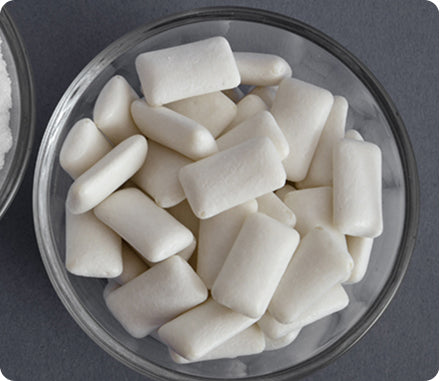
Xylitol
A sugar substitute found in gum, peanut butter, and some baked goods is extremely toxic.

Cooked bones
Can splinter and cause internal damage
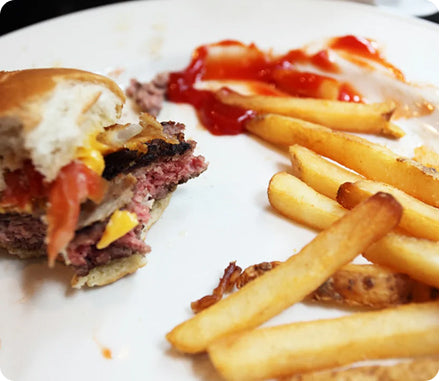
High-fat table scraps
Can lead to pancreatitis or toxicity
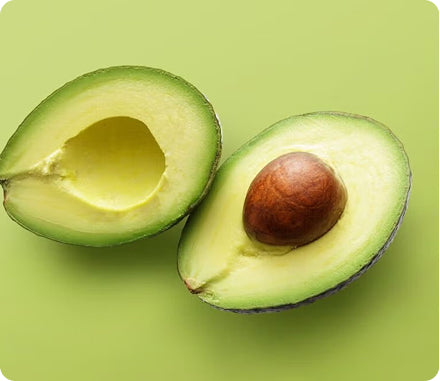
Avocado
Contains persin, mildly toxic to dogs
Also avoid:
- Spicy, salty, or overly processed food
- Leftovers containing sauces, butter, or seasonings
- Excess dairy (some Dobermans are lactose intolerant)
If you’re unsure about a specific food, always check with your vet first. When in doubt, leave it out.
Weight Management (How to Keep Your Doberman in Peak Condition)
Dobermans should be lean, not bulky. You should be able to feel-but not-see their ribs, and their waistline should be visible from above.
Overweight Dobermans are more likely to develop:
- Hip and joint issues
- Cardiovascular stress
- Reduced lifespan and mobility
How to maintain an ideal weight:
- Measure portions. Don’t eyeball it!
- Avoid table scraps and calorie-dense treats.
- Use low-calorie training rewards (like freeze-dried meats or carrot slices).
- Stick to a daily walk/play/training routine.
- Reassess calorie needs every few months based on age and activity.
Quick check: If you can’t find a waist from above or feel ribs easily through the coat, it’s time to reassess.
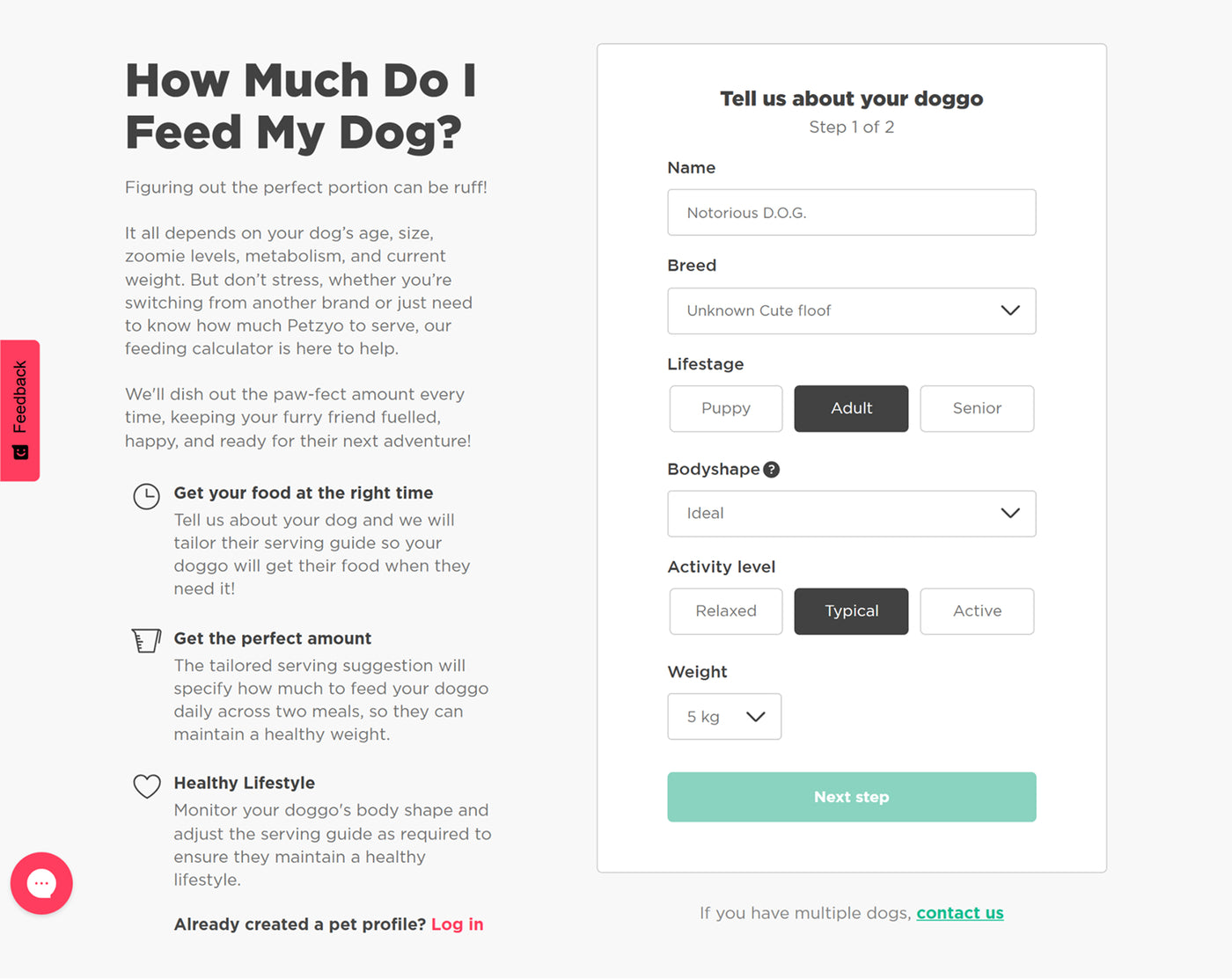
Remember: Your dog’s health depends on the best nutrition, exercise, and some loving care. A properly formulated diet is your first and most powerful tool to prevent long-term health issues in Dobermans. But how much should you feed your dog? Determining the right portion size for your pooch can be quite confusing for most dog owners. If you’ve been wondering how much food to feed your dog, don’t fret. Our dog feeding calculator will ensure you’re meeting your dog’s dietary needs.
Shedding Amount
Drooling
Coat Grooming Needs
Trainability
Mental Stimulation Needs
Doberman Grooming & Maintenance
The Doberman Pinscher is a relatively low-maintenance breed concerning grooming, having a short, glossy coat, but it requires strict attention to routine hygiene for health maintenance. Regular maintenance of the nails, ears, and teeth is crucial for their overall comfort and health. Staying consistent with care routines will help your Dobie stay healthy, happy, and active for years.

How Often Should You Groom a Doberman?
Dobermans have short, tight coats that are easy to maintain, but regular grooming still matters. It keeps their skin healthy, reduces shedding, and gives you a chance to check for lumps, bumps, or skin issues.
Basic grooming routine:
- Brushing: 1-2 times per week with a rubber grooming mitt
- Bathing: Every 6-8 weeks, or when dirty
- Nail trimming: Every 2-4 weeks
- Ear cleaning: Weekly, especially if ears are natural
- Dental care: Daily brushing or dental chews approved by your vet
Tip: Grooming also builds trust. Keep sessions short, relaxed, and reward-based, especially during puppyhood.
Bathing and Coat Maintenance (Keeping Their Skin Healthy)
Dobermans don’t need frequent baths, but their skin can be prone to dryness, especially in blue or fawn coats.
To keep their coat in top shape:
- Use a mild, dog-safe shampoo
- Avoid over-bathing as this strips natural oils
- Rinse thoroughly to remove all product
- Dry fully, especially in colder months
- Add omega-3 supplements if recommended by your vet
If you notice flakes, dullness, or itching, it could be a sign of allergies, coat issues, or a diet that needs adjusting.
Training & Exercise Needs for Doberman
Dobermans are smart, driven, and eager to learn, traits that make them highly trainable, but also demanding. They need clear expectations, daily engagement, and calm, consistent leadership. With the right approach, they become responsive, reliable, and confident companions.
How Much Exercise Does a Doberman Need Daily?
Dobermans need 90 minutes to 2 hours of daily exercise - a mix of physical activity and mental stimulation.
Without it, a Dobermann can quickly become very destructive. They’ll find ways to burn energy - hello, chewed couch.
A balanced routine might include:
- Two 30–45 minute walks or jogs
- Off-leash time in a secure area
- Activities like puzzle toys, treat-dispensing toys or scent games
- Training sessions like agility, obedience, nose work, and tracking
Adjust by age:
- Puppies: Short, gentle walks and basic training
- Adults: Structured activities that challenge both body and mind
- Seniors: Slower-paced walks and lighter enrichment tasks
Dobermans thrive when their energy is directed toward a purpose. Consistent exercise keeps them calm, focused, and content.
How to Keep a Doberman Under Control
Dobermans do best in homes with structure, not strictness.
They’re sensitive to tone and body language. They don’t need harsh discipline. They need consistency, fairness, and steady leadership.
To support good behaviour:
- Set household rules early (e.g: no jumping, wait at doorways)
- Use short, clear commands
- Reinforce calm behaviour, especially indoors
- Keep expectations consistent: every day, every person
They may push boundaries during adolescence, but with daily practice and a predictable routine, they quickly learn what’s expected.
Control isn’t about dominance. It’s about trust, repetition, and building calm habits.
Best Training Methods for First-Time Doberman Owners
First-time Doberman owners can absolutely succeed with the right foundation. These dogs are highly intelligent and super-quick learners who learn fast. But they also remember inconsistencies. Bad habits can form just as quickly as good ones if you’re not paying attention.
Proven training methods include:
- Positive reinforcement: Reward desirable behaviours with treats, praise, or play.
- Clicker training: Useful for timing and clarity.
- Crate training: Builds independence and supports toilet training.
- Boundary training: Helps teach calm, predictable movement through your space.
- Neutral socialisation: Gradual exposure to new people, places, and other pets.

Dobermans enjoy learning and want to do the right thing, but they need structure and calm leadership from the start.
Worried about the aggression in your Dobie? Here are signs your dog needs professional training, AKA “K9 Training”.

Vet Bills
AUD $800 to $2,000+

Food
AUD $120 to $220

Grooming & Hygiene
AUD $90 to $110

Pet Insurance
AUD $90 to $150+ (~$1,080 to $1,800 per year)
Cost & Ownership Considerations
Dobermans aren’t just pets. They’re athletes, shadows, security guards, and cuddle buddies all rolled into one. To keep them thriving, expect ongoing investment in their health, diet, and daily care.
How Much Does a Doberman Cost?
In Australia, the cost of a Doberman puppy can range from $300 from a shelter to over $5,500 from ethical breeders. The price depends on the breeder's reputation, the dog's lineage (European Dobermans generally cost more than American ones), ear and tail status (natural vs. cropped/docked), etc. You might occasionally find one available for less through breed-specific rescues or rehoming programs, but these are rare and often snapped up quickly.
Ongoing Ownership Costs
Dobermans aren’t just pets. They’re athletes, shadows, security guards, and cuddle buddies all rolled into one. To keep them thriving, expect ongoing investment in their health, diet, and daily care.

Vet Bills
Estimated Annual Cost: AUD $800 to $2,000+
Dobermans require routine vet care plus screening for heart and joint conditions, so budgeting higher offers peace of mind.
Typical yearly care may include:
- Routine checkups and vaccinations
- Heart screenings (annual echocardiogram recommended)
- Hip and joint assessments
- Emergency care or specialist visits, if needed
Think of it as paying for peace of mind. Early screening saves heartache and wallet-ache later.

Food
Estimated Monthly Cost: AUD $120 to $220
Fuel matters for a dog built like a sleek sports car. Dobermans need high-quality, high-protein food to support muscle, energy, and long-term health.
A proper diet helps maintain:
- Lean muscle and strong bones
- Heart health
- Robust immune function
- Shiny coat and healthy skin
Premium kibble, fresh-cooked diets, or balanced raw feeding are all great options, just keep the quality high and junk fillers out.

Grooming & Hygiene
Estimated Annual Cost: AUD $90 to $110
Their coat may be short, but their care isn’t set-and-forget. Consistency keeps them shining and comfortable.
Expect to maintain:
- Monthly brushing
- Nail trimming every 2–4 weeks
- Ear cleaning (especially natural ears)
- Occasional baths
Dobermans can have sensitive skin, so pick gentle, vet-approved grooming products.

Pet Insurance
Estimated Monthly Cost: AUD $90 to $150+ (~$1,080 to $1,800 per year)
Dobermans are a higher-risk breed for hereditary conditions, so comprehensive cover is recommended. Given the breed’s predisposition to conditions like DCM and Wobbler Syndrome, pet insurance isn’t just recommended, it’s smart.
Look for plans that cover:
- Hereditary and congenital conditions
- Specialist and emergency care
- Long-term illness management
A good policy can turn a stressful health scare into a manageable situation.
NOTE: These ranges are based on typical Australian costs for large, athletic breeds. Factors like location, age, and health influence individual expenses.
Living with a Doberman
Dobermans are loyal, intuitive dogs who want to be part of the family routine, not just observe it. Whether you're in an apartment, living rurally, or travelling regularly, understanding how Dobermans adapt to different lifestyles will help you create the best setup for them (and you).

Apartment Living (Can a Doberman Thrive in a Small Space?)
Yes, a Doberman can live in an apartment, but only if their physical and mental needs are met every single day.
Dobermans don’t need a backyard; they need a job. With structure, exercise, and attention, they’ll settle well indoors, even in tighter spaces.
What makes apartment life work?
- At least 90 minutes of outdoor activity per day
- A reliable toilet routine and access to outdoor space
- Structured training to manage barking, pacing, or door-rushing
- A quiet, designated rest zone (crate or mat) where they can switch off
- Toys, puzzles, and enrichment games to prevent boredom
What doesn’t work:
Leaving a Doberman alone for long hours with no stimulation, or assuming indoor play is enough. They’ll become vocal, destructive, or anxious without consistent engagement. If you’re committed to their exercise and enrichment needs, apartment life isn’t a dealbreaker - it’s just another routine to master together.
How Well Do Dobermans Handle Cold and Hot Weather?
Dobermans have a short, single-layer coat, which means they’re not well insulated from extreme temperatures.
In cold weather:
- Limit time outdoors in winter, especially in wind or rain
- Use a dog coat or jumper for early mornings and colder climates
- Avoid cold tile floors, offer warm bedding or crate padding
- Watch for shivering, curled posture, or hesitation to go outside
In hot weather:
- Walk during early morning or evening hours
- Avoid blacktop or pavement, which can burn paws
- Offer shade and fresh water at all times
- Use cooling mats or fans indoors as needed
- Never leave your Doberman in a car or enclosed space, even briefly
Dobermans are highly adaptable, but they rely on you to manage the environment for their safety and comfort.
Travelling with a Doberman (What to Know Before Hitting the Road)
Travelling with a Doberman is absolutely possible - many do well on road trips, holidays, or camping getaways. But they do best when routines are kept predictable, and the destination is planned with them in mind.
Travel tips for success:
- Use a secure harness, seatbelt, or crate for car rides
- Pack a travel bag with food, water, a bowl, a leash, bedding, and first-aid basics
- Keep their mealtime and walk schedule as normal as possible
- Make regular stops for toilet breaks and short walks
- Always check pet policies before booking accommodation or visiting venues

Common issues to plan for:
- Some Dobermans get car sick; speak to your vet about prevention if needed
- They’re protective, so new environments with high foot traffic can cause stress without proper exposure
- Not all travel locations are suited for high-energy, large dogs—choose wisely
If your Doberman is crate-trained, socialised, and used to flexible routines, they’ll usually enjoy travel just as much as you do.