Petzyo Top Breed Guide
Cocker Spaniel

QUICK FACTS
Height: 36–43 cm (males); 34–40 cm (females)
Weight: 13–16 kg (males); 10–14.5 kg (females)
Lifespan: 12–15 years
Breed Group: Gundog (Sporting Group)
Energy Level: Medium to high - needs regular walks and playtime
Temperament: Friendly, gentle, affectionate, eager to please
Shedding Level: Moderate - more noticeable during seasonal cocker spaniel changes
Grooming Needs: High - requires regular brushing, ear care, and occasional trims
- Breed Overview
- Physical & Appearance
- Personality
- Health & Diet
- Grooming & Care
- Cost & Ownership
Origins of Cocker Spaniels
Cocker Spaniels were first bred in the UK to hunt game birds, especially woodcock, which gave them their name.
As the breed evolved, two types emerged: English Cockers, known for their field skills, and American Cockers, slightly smaller with a fuller coat and a flair for the spotlight.
The American Cocker hit peak popularity between the 1930s and 1950s. It was the most registered breed with the AKC and even starred as Lady in Lady and the Tramp.
This breed first arrived in Australia from Britain. The English Cocker Spaniel quickly became a favourite for its versatility, excelling at field trials and as an affectionate companion. The American Cocker Spaniel, smaller and more glamorous, also found its way Down Under, charming Aussie households with its striking looks and playful nature.
As the breed became popular across Australia, it developed a strong reputation both in the field and as a beloved family pet.
Throughout the 20th century, particularly from the 1950s onward, the Cocker Spaniel consistently ranked among Australia’s most loved breeds, prized for its friendly temperament and adaptability. Today, the breed remains a popular choice across Australian suburbs, bushland trails, and coastal walks, cherished equally for its energetic spirit and affectionate companionship.

BREED SUMMARY
The Cocker Spaniel affectionately called the “Merry Cocker” stands out as the perfect blend of joyful spirit, devotion, and versatility - a merry little gun dog with a big heart. Whether flushing game in the field or snuggling at home, its ever-wagging tail and affectionate nature continue to capture hearts around the world. Once prized as a tireless hunting dog, it now stands among the world’s most beloved family companions, blending field ability with irresistible charm.
There are two main types: the American Cocker Spaniel (smaller and show-focused) and the English Cocker Spaniel (the original field-bred variety). You may know them as “Cocker,” “The Cocker,” and “The Merry Cocker.” Historically, they were known as “Wood-cocking spaniels” or “cocking spaniels,” referencing their early role in woodcock hunting.
Energetic yet adaptable, Cocker Spaniels need 30–60 minutes of daily exercise, such as brisk walks, playtime, or agility activities. Intelligent and eager to please, they thrive on positive, gentle training and consistent routines.
With proper care, they live 12–15 years. Common health concerns include ear infections, eye disorders, joint problems, and skin sensitivities. Their silky coat requires regular brushing and professional grooming to stay healthy and tangle-free.
The Magic of the “Merry Cocker”

The hallmark of the breed is its merry nature and constant tail wag, a reflection of its boundless enthusiasm for life. Described as “loyal, lovable, and devoted,” Cocker Spaniels radiate warmth and affection. Their expressive eyes and bustling, energetic movement capture their eager-to-please personality. This temperament and sensitivity have made them treasured companions for centuries. An alert, wagging tail and a happy personality that brightens any home.
Bred originally to flush out woodcock from dense vegetation (hence the name Cocker), the Cocker embodies a remarkable dual nature. These spaniels were admired for their fearless work ethic and indefatigable stamina. They excelled in retrieving game from both land and water. Today, while they are primarily companion dogs, their sporting instincts remain intact.
Beyond their personality, the Cocker’s cultural legacy cements its timeless charm. The American Cocker Spaniel reigned as the most popular U.S. dog for 25 years, while the English Cocker Spaniel holds a record seven Best in Show titles at Crufts. Immortalised as Lady in Disney’s Lady and the Tramp and cherished by many celebrities, the Cocker’s joyful spirit and devotion have made it a true icon of love and loyalty.
With their hearty appetite, Cocker Spaniels can gain weight easily, so balanced nutrition and regular exercise are essential. A high-protein raw dog patty or a well-balanced diet of dry dog food helps maintain muscle tone and supports joint health.
Frequently Asked Questions About Cocker Spaniels
Are Cocker Spaniels High-Maintenance Dogs?
Yes, in terms of grooming. Cocker Spaniels have long, feathered coats that need regular brushing to prevent matting and tangles. Their floppy ears also require weekly cleaning to avoid infections. While they’re easy-going in temperament, their grooming and health needs do require consistent attention.
Do Cocker Spaniels Shed a Lot?
Cocker Spaniels shed moderately year-round, with seasonal increases during spring and autumn. Regular brushing (3-4 times a week) helps keep loose hair under control and reduces shedding on your furniture and clothes.
How Much Does It Cost to Own a Cocker Spaniel?
The cost of owning a Cocker Spaniel in Australia typically ranges from $1,500 to $3,500 upfront, depending on the breeder. Ongoing yearly expenses, including food, grooming, vet care, and pet insurance, can range from $1,500 to $2,500. Professional grooming adds to the cost if you’re not doing it at home.
Are Cocker Spaniels a Good Fit for Families with Kids?
Yes! Cocker Spaniels are gentle, affectionate, and usually great with children, especially when raised together. They love playtime and being part of the family action. As with any breed, supervision is key with very young children.
What are the Behavioural Issues with Cocker Spaniels?
Poor breeding and lack of training can lead to issues like resource guarding, separation anxiety, and excessive barking. Some Cockers may be more sensitive or nervous, especially if not socialised properly. Choosing a reputable breeder and investing in early training helps prevent most of these problems.
Do Cocker Spaniels Like to be Left Alone?
Not really. Cocker Spaniels thrive on companionship and don’t enjoy long hours alone. They can develop separation anxiety if left alone too often. If you work long days, consider doggy daycare or a companion pet to help them feel more secure.
Coat type
Coat length
Physical & Appearance
Cocker Spaniels are compact but sturdy. Males typically stand 36–43 cm tall and weigh 13–16 kg. Females are a touch smaller at 34–40 cm and 12–14.5 kg.
They’ve got a round, refined head with a broad, square muzzle. Their long, feathered ears frame the face beautifully, and their back gently slopes toward the tail, giving them that elegant, show-dog stance.
Their most eye-catching feature? That silky coat. It’s long, soft, and feathered on the ears, chest, legs, and belly. Their tail is often docked, especially in show lines, adding to their tidy, refined appearance.
Standard Colours & Markings
Silky flowing coat, gracefully long ears, and expressive, gentle eyes, Cocker Spaniels are unmistakably charming, easy to recognise and even easier to adore. Cocker Spaniels come in a stunning variety of colours and combinations.

Black
Solid black or black with tan points

Parti-Colour
Two or more colours, like black and white, or red and white

ASCOB (Any Solid Colour Other than Black)
Includes buff, red, chocolate, and golden tones

Tri-colours (like black, white, and tan)

Roan patterns
Colours are blended throughout the coat
American Cocker Spaniel vs English Cocker Spaniel

American Cocker Spaniels are generally smaller with a shorter back. A Cocker Spaniel has a domed head and a shorter muzzle and is also described as having a more rounded head. They are best known for their flowing and handsome coat.

English Cocker Spaniels are generally taller than the American variety. An English cocker has a narrower/elongated head and chest. The head has a less prominent stop. There are two distinct strains: the show (or conformation) strain and the working (or field) strain. The show strain has a thicker, silkier coat with prominent feathering on the legs, chest, and tail, along with longer and more luxuriant ears. In contrast, the working strains are often slightly taller and leaner, with flatter skulls, shorter ears, and shorter, finer coats that have minimal feathering.
Affectionate with family
Good with kids
Social doggos
Playfulness
Cocker Spaniel Temperament & Personality
The Cocker Spaniel, affectionately known as the "merry Cocker," is famous for its cheerful, easy-going nature and strong, affectionate disposition. They are soft-hearted charmers and strike a nice balance. Lively when it’s time to play, calm when it’s time to relax.
Affection, Loyalty, and Sociability
The Cocker Spaniel's personality is built around its intense devotion to its family.
- Affectionate and Loving: Cocker Spaniels are loving, fun-loving, and fiercely loyal dogs, known for their devotion to their owners. They are often described as dogs that "just love to love you."
- Family-Oriented: They are warm, sociable, and family-oriented breed dogs that thrive on human companionship and family connection. They are happiest when involved in daily family activities and enjoy being a part of the family dynamic.
- Good with Children and Pets: Cocker Spaniels are excellent family dogs. Their gentle, tolerant temperament makes them well-suited for homes with children. They also coexist peacefully with other household pets. Slow, positive introductions and early socialisation help prevent any guarding or jealousy.
- Stranger Interaction: Most Cockers are friendly but cautious. Although they may sound a warning bark when strangers are near, they’re not the best guard dogs. Don’t expect instant tail wags, but once they trust someone, they are generally more likely to greet them with kisses.

Behavior Challenges in Cocker Spaniels
Despite its affectionate and cheerful personality, the Cocker Spaniel can develop behavioral issues if its needs are unmet or if it is poorly bred. The breed’s popularity has led some breeders to prioritize appearance over temperament, resulting in problems like resource guarding (e.g., growling or snapping).
Separation Anxiety
Due to their strong bond with owners, Cocker Spaniels are highly dependent on human companionship and can experience anxiety when left alone for extended periods.
Symptoms:
- Excessive barking.
- Destructive behavior (e.g., chewing, digging).
- Attempts to escape.
Note: If left alone outdoors for the day, a Cocker Spaniel may dig or bark to keep itself entertained.
Issues Related to Energy and Boredom
Cocker Spaniels are energetic dogs with high exercise needs, as they were originally bred as hunting dogs.
Symptoms of Boredom:
- Excessive barking.
- Destructive behavior like chewing or digging.
- Chewing on household items, such as shoes, if they lack stimulation.
Tip: Provide regular exercise, walks, and mental stimulation (such as puzzle toys) to help prevent these issues.
Sensitivity and Training Issues
Cocker Spaniels have a sensitive, "soft" personality that requires a gentle approach to training.
Symptoms of Sensitivity:
- Nervousness or Shyness: Without proper socialization, the American Cocker Spaniel can become shy or fearful.
- Adverse Reactions to Harsh Methods: Harsh training methods can instill fear, potentially leading to growling or snapping.
- Submissive Urination: They may urinate when excited or anxious.
- Stubbornness: While intelligent, Cocker Spaniels can be stubborn and may require consistent, positive training methods.
Predatory Instincts and Wandering
Due to their hunting background, Cocker Spaniels retain strong predatory instincts.
Symptoms:
- Chasing: They may instinctively chase birds or small animals during walks.
- Wanderlust: Their love for exploration means they are prone to wander and need to be kept on a leash or within a secure, fenced area.
Leashes or fences can prevent them from roaming or chasing prey.
Preventing Fearfulness and Shyness with Proper Exposure
Cocker Spaniels are naturally friendly but without regular, positive exposure to new things, they can become timid or overly dependent. Early and positive socialisation with fully vaccinated dogs helps shape them into confident, well-rounded companions. Start young and keep it consistent.
- Begin socialisation between 8-16 weeks, while they’re still in their prime learning window. Be sure to limit contact with fully vaccinated dogs in the home environment until their puppy vaccine schedule is complete.
- Expose them to different sounds, surfaces, people, and environments.
- Reward calm behaviour with praise, treats, and gentle encouragement.
- Avoid overwhelming places early on (like busy dog parks). Go at their pace.
- Use social outings as confidence boosters, not stressors.
Cocker Spaniel Lifespan
& Health Issues

Puppy
0 - 1 years

Adult
1 - 7 years

Senior
7+ years
Cocker Spaniels typically live between 12 to 15 years, though some may live as long as 14-16 years with proper care. Regular vet visits, a balanced diet, and plenty of exercise can help ensure a long, healthy life for your Cocker Spaniel.
Cocker Spaniel Puppy Growth Stages
- Birth to 1 Month:
Cocker Spaniel puppies are small at birth, weighing 0.5-1 pound. By 1 month, American Cockers weigh 4-5 pounds.
- 3 to 6 Months:
Growth is most dramatic during this period. American Cockers typically reach 14-18 pounds, gaining 2-3 pounds per month.
- 6 to 12 Months:
Growth slows as spaniel puppies approach adult size. By 12 months, American Cockers reach 90-95% of their adult weight. Most puppies reach full height by 12 months but may continue to gain muscle and fill out until 18-24 months, especially males.
At 12 months, transition from puppy food to adult food to support their changing nutritional needs.
Common Health Problems in Cocker Spaniel
The Cocker Spaniel is generally considered a sturdy and long-lived dog breed. However, like all breeds, they can be prone to several health conditions that you should be aware of. Spotting them early and working with your vet can make all the difference.
1. Ear, Skin, and Coat Issues
- Ear Infections: Cocker Spaniels are prone to ear infections due to their long, floppy ears that trap moisture, dirt, and debris. Signs of infection include scratching, head shaking, or a foul smell from the ears. Regular ear cleaning with a vet-approved cleaner and keeping ears dry after swimming or bathing are essential. Trimming hair around the ear canal is also recommended.
- Skin Conditions & Allergies: Cocker Spaniels often suffer from skin allergies triggered by environmental factors or food. Symptoms include itching, redness, and hair loss. They may also develop Primary Seborrhea, which causes greasy, scaly skin and a foul odor. A diet rich in omega-3 and omega-6 fatty acids can help soothe the skin.
- Grass Seeds: Their long coats can collect grass seeds, which can migrate into the skin, between the toes, or into the ear canal. Regular inspection and removal of visible seeds are necessary.
2. Ocular/Vision Issues
- Progressive Retinal Atrophy (PRA): A genetic condition that causes gradual retinal degeneration, leading to blindness.
- Cataracts: Common in aging dogs, cataracts cloud the eye's lens and can lead to vision loss if untreated.
- Glaucoma and Episcleritis: Increased eye pressure and inflammation of the eye’s tissues can also occur. Regular eye check-ups are important.
3. Musculoskeletal and Joint Issues
- Canine Hip and Elbow Dysplasia: Hip dysplasia is a hereditary condition where the hip socket develops abnormally, leading to pain, lameness, and arthritis. An elbow dysplasia is an abnormal development of the elbow joint, which can cause pain and mobility issues. Maintain a healthy weight and provide joint support as needed. Consider diets that are high in omega-3 & 6s in the optimum ratios, and extras such as green lipped mussels.
- Patellar Luxation: Dislocation of the kneecap, which can lead to pain and lameness in the hind leg.
- Cruciate Ligament Disease: Weakening or tearing of the cranial cruciate ligament, causing instability and limping.
4. Metabolic, Immune, and Neurological Conditions
- Obesity and Weight Gain: Due to their hearty appetites, Cocker Spaniels can easily become overweight. Obesity strains joints and increases the risk of other health issues like joint diseases.
- Idiopathic Epilepsy: A hereditary condition that causes seizures.
- Autoimmune hemolytic anemia (AIHA): An uncommon but serious condition where the body attacks its own red blood cells. Symptoms include fatigue, pale gums, or laboured breathing - seek vet care immediately.
- Hypothyroidism: A thyroid disorder that can cause symptoms like lethargy, hair loss, obesity, and skin conditions.
Want to look into common conditions affecting smaller pups? Don’t miss our blog: Health Issues in Small Breed Dogs for a broader overview of what to expect and how to prevent them.
Preventive Healthcare of Cocker Spaniel


Parasite control
Use year-round protection against fleas, ticks, and intestinal worms.

Dental hygiene
Brush 2–3 times a week and offer dental chews to reduce plaque build-up and book in for professional cleans under anaesthetic as advised by your vet.

Weight checks
Keep them lean to protect their joints and reduce the risk of obesity-linked issues.

Vaccinations
Stay current on core vaccines, including parvovirus, distemper, and kennel cough.

Vet visits
Schedule a full check-up at least once a year, or twice a year for seniors.
Keeping Your Cocker Spaniel Happy and Healthy
Cocker Spaniels are happiest when they feel good, inside and out. Their well-being relies on striking a balance between nutrition, exercise, and effective weight management.
Nutritional Guidelines: What to Feed a Cocker Spaniel
Cockers love their food and that can be both a blessing and a risk.
- Feed a complete, balanced diet formulated like dry food for dogs of small to medium breeds.
- Choose foods rich in omega-3s for coat health and joint support.
- Look for whole food ingredients when feeding raw dog food, think meat as the first ingredient, not fillers.
- Puppies need three meals per day. Adults do best with two measured portions.
- Use treats wisely. Opt for single-ingredient, low-calorie options.
Need help picking the right bowl of goodness? Check out our guide on how to choose the best food for your small dog for simple, vet-approved tips.
Best Diet for Cocker Spaniel
Your Cocker Spaniel deserves the best - from what goes in their bowl to what keeps their coat shining.
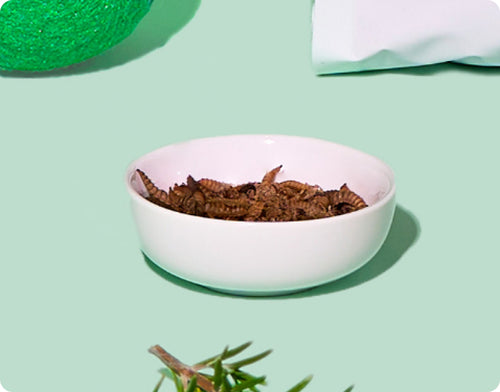
Made with single-source proteins
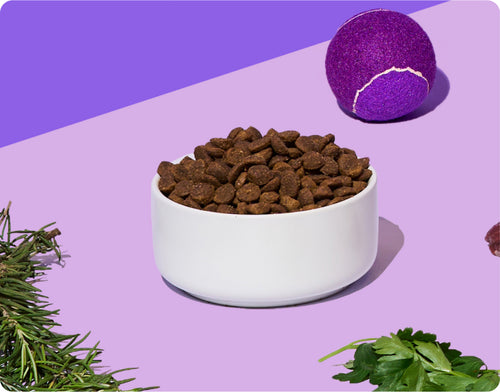
Free from dairy, wheat, soy, and corn.
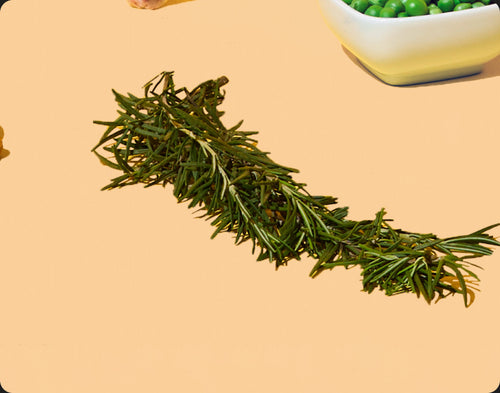
Low in additives and by-products.

Food enriched with probiotics and fibre.

Labeled as “limited-ingredient” or “hypoallergenic”.

Look for formulas like “salmon and sweet potato”.
Daily Exercise Requirements to Keep Them Active
They may be compact, but Cockers are full of energy. Without daily activity, boredom creeps in, and so do behaviour issues.
- Aim for 30 to 45 minutes of physical activity each day.
- Mix it up with walks, fetch, and backyard games.
- Include mental workouts like treat puzzles or learning new tricks.
- Cocker Spaniels love to please, and obedience training doubles as brain work.
Weight Management: Avoiding Obesity and Ensuring Proper Fitness
Cocker Spaniels are prone to weight gain. Their love of treats and reduced activity in older years can increase the risk of obesity.
- Weigh them monthly; even a small gain adds pressure on joints and organs.
- Use measuring cups or a food scale to avoid accidental overfeeding.
- Stick to a feeding schedule and resist free-feeding.
- Treats should make up no more than 10% of their daily calorie intake.
- Stay alert for signs of excess weight: difficulty walking, lethargy, or a ribcage hard to feel.
If your pup’s getting pudgy, don’t panic. Head over to our guide on How to Help a Dog Lose Weight for real, vet-backed advice.

Cocker Spaniels feel their best when their food is easy on their stomach and supports their skin and ears. Since they can be sensitive, everyday nutrition makes a real difference. That is why our premium dog food recipes are made to support them from the inside out, helping them stay comfortable, active, and happy.
Shedding Amount
Drooling
Coat Grooming Needs
Trainability
Mental Stimulation Needs
Cocker Spaniel Grooming & Maintenance
Cocker Spaniels are beautiful, affectionate companions, but their care routine goes beyond cuddles. With a bit of upkeep and regular checks, you’ll keep your pup looking great and feeling even better.

Grooming Routine
Their silky, feathered coat might turn heads, but it also needs regular attention. Without it, knots and mats can quickly take over, especially around their ears, chest, and legs.
- Brush 3–4 times a week using a slicker or combo brush to prevent tangles and manage shedding.
- Trim every 6–8 weeks to keep their feet neat and the coat tidy, especially around hygiene-sensitive spots.
- During shedding seasons, check daily for grass seeds, which can get trapped in their coat and cause infections.
Ear Cleaning
With long ears comes a higher risk of ear infections.
- Inspect ears weekly for signs of redness, odour, or discharge.
- Use a vet-approved ear cleaner and gently wipe the outer ear with cotton wool, no deep cleaning needed.
- After baths or rainy outings, dry ears thoroughly to prevent trapped moisture from leading to bacterial or yeast infections.
Nail Care
Long nails aren’t just noisy on hardwood, they can throw off your dog’s natural gait.
- Trim every 3–4 weeks, or sooner if you hear a clicking sound.
- Use proper dog nail clippers and take care not to cut too close to the quick, the sensitive area containing nerves and blood vessels.
Dental Care
A healthy smile means a healthier Spaniel.
- Brush their teeth a few times a week using dog-safe toothpaste to reduce plaque and protect gums.
- Dental chews and toys support oral health between brushes and keep their jaws engaged.
- Professional veterinary dental care under anaesthetic can detect any issues early.
- Poor dental hygiene can lead to far more than bad breath; regular care helps prevent more serious health issues and increases longevity.
Bathing Tips: How Often Should You Wash a Cocker Spaniel?
Their coats don’t just collect admiration, they also collect dirt.
- Bathe every 4–6 weeks, or when they’ve rolled in something suspicious.
- Use a mild dog shampoo and conditioner to avoid stripping natural oils.
- Dry thoroughly, especially around the ears and belly. Dampness can lead to fungal or bacterial skin infections.
- After a bath, avoid water in their ears. Use a towel or a low-heat dryer to dry them off fully.
- Feeding a diet rich in omega-3 & omega-6 improves skin hydration, which is crucial for preventing dryness and flaky skin that can necessitate more frequent washing.
Training & Exercise Needs for Spaniel Cocker
Cocker Spaniels love to make their people happy. Cocker Spaniels possess both sharp mental acuity and boundless physical enthusiasm. With the right approach, training can be both rewarding and fun for everyone involved.
Intelligence, Trainability, and Energy
Intelligence and Eagerness to Please:
They are highly intelligent and always eager to please their owners. This makes them very receptive to training.
Trainability:
Due to their intelligence and strong desire to please, Cocker Spaniels are easy to train and respond well to positive reinforcement, patience, and consistency.
Activity Level:
This breed is known for its energy and liveliness. Cocker Spaniels love brisk walks, games of fetch, and exploring during country walks where they can forage and engage with their surroundings.
Obedience Training
Start early and stay consistent.
- Keep sessions short and upbeat: 5–10 minutes a few times a day works best.
- Use gentle corrections: A disapproving tone is usually enough; they respond well to calm guidance.
- Avoid harsh discipline: It can backfire and create fear or stubbornness.
- Reward-based methods work best: Treats, praise, and toys keep your Cocker engaged.
- Build in basic commands: Start with sit, stay, come, and loose-leash walking.
How to Curb Separation Anxiety and Excessive Barking
Cocker Spaniels are companion dogs. They bond deeply and may struggle when left alone too long.
- Start practising alone time early: Build tolerance slowly with short periods apart.
- Keep them busy: Puzzle toys or treat-dispensing toys can reduce boredom.
- Avoid overreacting at departures or returns: Keep it calm and casual to lower anxiety.
- Teach "quiet" early: Reward silence and redirect barking before it becomes a habit.
How Much Exercise Do Cocker Spaniels Need?
Cocker Spaniels were originally bred as gun dogs to flush game birds like the woodcock. They are innately athletic and energetic, requiring ample physical activity.
Daily Requirement:
Bred as hunting dogs, Cocker Spaniels require at least 30–60 minutes of exercise per day, with many experts recommending closer to 60 minutes to keep them physically fit and mentally balanced.
Keeping your Cocker Active:
Cocker Spaniel were born for sporting activities and they thrive on a mix of aerobic and outdoor activities, such as:
- Brisk walks or jogs
- Games of fetch, flyball or tug-of-war
- Free play or a romp in the yard
- Agility training, hunt tests or obedience exercises
- Country walks with chances to explore and forage

Tips for First-Time Owners Handling This Sensitive Breed
First-time dog parent? No worries. Cockers are generally people-focused and eager to learn, but they need gentle leadership.
- Establish routines early: Feeding, potty breaks, and bedtime should happen on a regular schedule.
- Use your voice wisely: They pick up on tone quickly, so calm and encouraging wins.
- Be patient with house training: Cockers can be a little slow here; crate training can help.
- Socialise them gradually: Introduce new people, fully vaccinated dogs, and places in small, positive doses.

Vet Bills
$100-$200 AUD

Food
$600-$800+ AUD

Grooming & Hygiene
$700-$1000 AUD

Pet Insurance
~$1,200-$1,300 AUD
Cost & Ownership Considerations
Cocker Spaniels are reasonably economical to feed, but their coat and ear care mean planning for grooming and routine veterinary expenses. Most costs sit in the medium range for Australian families.
How Much Does a Cocker Spaniel Cost?
A Cocker Spaniel costs around $2,500 to $5,000 AUD for a puppy from an ethical breeder in Australia and about $2,600-$4,600 AUD each year to maintain a healthy, happy Cocker Spaniel. Owning a Cocker Spaniel involves both financial and time commitments, covering purchase, grooming, feeding, health care, and exercise needs. Their charm, loyalty, and “merry” spirit come with ongoing care needs - but for many owners, the joy they bring is priceless.
Ongoing Ownership Costs
Cocker Spaniels sit in the medium ongoing-cost range, mainly due to coat care and potential health bills. Regular grooms, parasite protection, and insurance form the core of yearly expenses. Spreading these costs monthly helps avoid budget spikes and prepares for unexpected vet needs.

Routine Vet Care
$100-$200 + $120-$300 preventatives
Annual check + vaccinations + parasite prevention

Food
$600-$800+
Quality diet recommended for coat & skin health

Grooming
$700-$1000
Groom every 6-8 weeks; price varies by salon & coat length

Pet Insurance
~$1,200-$1,300
Market averages for small–medium dogs in Australia
Set aside a monthly amount for grooms and vet care. Routine brushing, ear checks, and teeth cleaning at home also help manage groomer visits and long-term costs.
Buying or Adopting a Cocker Spaniel in Australia
- Adoption: ~$500–$1,000, often including desexing, microchip, vaccination, and behaviour assessment.
- Registered breeders: Wide range, verify health testing (hips, elbows, eyes) and ethical breeding practices.
- State adoption perks: Some regions offer free lifetime registration for adopted desexed dogs.
Home Setup & Essential Gear for Medium or Long Coats
A little preparation helps keep your Cocker Spaniel’s coat healthy, ears clean, and daily care simple.
- Steel comb
- Ear cleaner & pads
- Grooming mat or table
- Slow-feeder bowl
- Harness + sturdy leash
- Washable bed or crate
- Durable chew toys
Is a Cocker Spaniel the Right Dog for Your Home and Lifestyle?
If you’re wondering whether Cocker Spaniels make good family dogs, the answer is often yes, particularly for homes that can offer time, attention, and gentle guidance. Cocker Spaniels are affectionate, friendly, and eager to please, forming strong bonds with their families. Their soft nature makes them wonderful with children when interactions are supervised and respectful, and early socialisation helps ensure confidence and good manners.
Cocker Spaniels adapt well to apartments and houses alike, provided they receive daily walks, play, and mental enrichment. They thrive in homes where they’re included in everyday life and not left alone for long periods. With regular grooming, consistent training, and companionship, they make warm and joyful family pets.
How They Adapt to Different Lifestyles
These dogs don’t need a mansion or a big yard, but they do need your time, attention, and plenty of love.
- For families: They’re fun, affectionate, and generally tolerant with kids.
- For singles: Happy to go on walks, hang around the house, and always offer company.
- For seniors: Their loving nature and medium size make them easy to manage and wonderful to be around.