Petzyo Top Breed Guide
Rottweiler

Height: 56-69 cm
Weight: 35–60 kg
Lifespan: 8-10 years
Breed Group: Working
Energy Level: High
Shedding Level: Moderate - Seasonal
Temperament: Confident, Loyal, Watchful
Grooming Requirements: Weekly Brushing, Occasional Baths
- Breed Overview
- Physical & Appearance
- Personality
- Health & Diet
- Grooming & Care
- Cost & Ownership
The History of the Rottweiler
The Rottweiler didn’t just appear; it was shaped by centuries of purpose, not polish. Bred for strength, endurance, and unwavering loyalty, this powerful breed traces its roots back to the Roman Empire.
You can trace their paw prints all the way back to the Roman Empire, where they marched alongside soldiers, herded livestock, and protected caravans of goods. Tough? Absolutely. But also loyal, adaptable, and born with a purpose.
"Strong enough to pull carts, gentle enough to follow commands, and loyal enough to stand their ground." That’s always been the Rottie way.

Where Do Rottweilers Come From?

Their Roman Empire Origins
The Rottweiler dog traces its lineage back to the Molosser dogs of ancient Rome: strong, muscular canines used by Roman soldiers to drive herds and guard outposts during conquests. As the empire expanded across Europe, these dogs travelled with them, eventually settling in what is now Germany.
They became especially prominent in the town of Rottweil, where they helped butchers move and guard cattle. The name “Rottweiler” was born from this very town, “Rottweiler Metzgerhund”, meaning “Butcher’s Dog of Rottweil.”
Fun fact: They were trusted to carry purses of money tied around their necks. Yes, they were literally walking wallets for their owners!
Rottweilers in Law Enforcement and Search & Rescue Work
Rottweilers transitioned smoothly into service roles. Their intelligence and drive made them ideal for police work, search and rescue, and military service.
They’re known for their calm confidence in high-pressure situations. Unlike more reactive breeds, a Rottweiler thinks before acting. That’s why they’re trusted to patrol, track, and even locate survivors after natural disasters.
You’ll find Rotties working in:
- Police departments across Europe and Australia.
- Search & rescue teams looking for missing persons.
- Guard dog roles, both in homes and at businesses.
- Therapy and service work, thanks to their sensitivity and bond with humans.
Why Were Rottweilers Used for Herding and Protection?
The Rottweiler’s build made them perfect for tough jobs. Strong enough to pull carts, fast enough to move cattle, and loyal enough to protect their owner without hesitation.
They were the ultimate multitaskers:
- Herding: Calm but assertive with livestock
- Guarding: Naturally wary of strangers
- Hauling: Muscles built to move weight
Their bite force, estimated at over 300 PSI, made them one of the most capable protection breeds in history, yet they always showed control and discretion. Over time, mechanised transport replaced cart-pulling dogs, but Rottweilers continued to work in new roles.

How They Became One of the Most Popular Breeds Worldwide
By the 20th century, Rottweilers had earned fans across Europe and the U.S. Australia followed suit, drawn to their trainability, loyalty, and presence.
They’re now one of the most recognisable dog breeds worldwide. Whether it’s a German Rottweiler from working lines or an American Rottweiler with a more laid-back look, people are drawn to their solid temperament and sharp mind.
In family homes, they’ve gone from protectors of cattle to protectors of kids, proving their versatility hasn’t faded. Rotties aren’t just tough. They’re tender. Loyal. Smart. And ready to work (or cuddle) every day of the week.
Rottweilers aren’t your average dog, and Petzyo doesn’t do average food. These legends are all muscle, focus, and heart. Whether they’re tracking scents, keeping watch over the yard, or snuggled on the couch after a long day, they need food that keeps up. With vet-approved, canine nutritionist-designed formulas like premium dry dog food and BARF raw patties made right here in Australia. Every single recipe is crafted for the real-life needs of your four-legged kiddo because we’re fur paw-rents too, and we get it. This isn’t just food. It’s family fuel.
FAQs About Rottweilers
Is a Rottweiler a good family dog?
Yes, if raised with structure and love. Rottweilers are loyal, protective, and affectionate with their humans, including kids. Early training and socialising are key.
What is a Rottweiler's weakness?
Joint and heart issues. Rotties are prone to hip dysplasia and aortic stenosis, so regular vet checks, joint support, and proper exercise matter.
Is a Rottweiler a bully breed?
No, Rottweilers are not classed as bully breeds. They’re working dogs with a protective streak, but not related to bull-type breeds like Staffies or Bulldogs.
What is the behaviour of a Rottweiler?
Calm, confident, and protective. They form deep bonds, stay close to their family, and can be wary of strangers without proper socialisation.
Is a Rottweiler the best guard dog compared to other large breeds?
Yes - if trained right. Rotties are smart, strong, and naturally protective without being overly reactive. Their balance of loyalty and awareness makes them top-tier guardians.
Coat type
Coat length
Rottweiler Physical Characteristics
There’s no mistaking a Rottweiler. They’re bold, balanced, and built to impress. Their physical presence is strong without being bulky, with every feature serving a real purpose, whether it’s protection, endurance, or stability.
But beyond strength, this breed has signature traits that help set them apart, from coat type to tail shape. Whether you're looking at a baby Rottweiler or a full-grown adult, their physical features are impossible to ignore.
Standard Colours & Markings
(Recognised by Dogs Australia)
Purebred Rottweiler color is black with clearly defined markings of a rich tan as outlined by the Dogs Australia. The recognised colors for Rottweilers in Australia are black and tan, black and mahogany, or black and rust, all of which have a jet black base coat with clearly defined markings of rich tan or mahogany. These markings appear on the muzzle, cheeks, throat, chest, legs, over the eyes, and under the tail.

Black and Mahogany
Darkest coloring with rich brown markings and cognac color

Black and Rust Rottweiler
A bit lighter and not quite as deep or rich as the Mahogany.

Black and Tan Rottweiler
The lightest markings of the other two with a cooler undertone.
Rare or Non-Standard Colours
Dogs Australia does not accept Red and Blue Rottweilers. The two colors are considered rare or non-standard.

Red Rottweiler
The rarest coat color with no standard black saddle pattern.

Blue Rottweiler
Also rare, it occurs when the black pigment in the coat is diluted, resulting in a color that may look blue, gray, slate, or silver.
How to Spot a Purebred Rottweiler
If you're wondering whether a Rottweiler puppy is purebred, look beyond just size or colour. Pedigree Rotties follow a very specific breed standard, and here are a few tell-tale signs:
- Head: Broad skull with a defined stop (the dip between the forehead and nose)
- Eyes: Almond-shaped and dark brown
- Ears: Medium-sized, triangular, set high and droop forward
- Muzzle: Deep and broad with a strong jawline
- Coat and Markings: Always black with sharply defined rust or mahogany points - never grey or brindle
- Body Shape: Solid, muscular, and slightly longer than tall
A true Rottweiler is always black with rich tan markings; no other coat colour is breed standard.
Bonus tip: If a “Rottweiler” is brindle, grey, or has blue eyes, that’s a red flag! It’s either a cross or the result of non-standard breeding.
Why Do Some Rottweilers Have a Docked Tail?
Tail docking was once common in working Rottweilers, mainly to prevent injury while herding or pulling carts. But in modern Aussie homes, tail docking is now unacceptable and illegal.
Quick facts:
- Original purpose: Reduce injury risk during high-speed pursuits or physical work.
- Today: Considered outdated and ‘cosmetic’. Outside of Australia, docked tails may be maintained for an outdated “show-standard” appearance.
- Australian regulations: Cosmetic tail docking is illegal and unacceptable. Surgical tail docking is only permitted when medically necessary and when performed by a registered veterinarian.
A natural tail helps with balance, body language, and more tail wags for you. So if you’re getting a Rottweiler puppy in Australia, that tail’s staying right where it is. Some breeders are exploring the introduction of a ‘bobtail’ gene, where dogs are born with shorter tails. The bobtail gene, however, can be associated with spinal problems and bladder issues.
German Rottweilers vs
American Rottweilers

German Rottweilers are heavier, undocked, and bred under strict ADRK rules requiring health and temperament tests (ZTP). They are born and registered in Germany under the ADRK and possess a strong working drive, agility, and power.

American Rottweilers are leaner, often docked, and bred under less strict AKC standards with easier registration—more for appearance and companionship. They are born and registered in the U.S. under the AKC with a slightly lower working focus than their German counterparts.
Build, Strength, and Body Structure (Why Rottweilers Are So Powerful)
The Rottweiler dog is built like a tank - solid, powerful, and ready to work. Their compact yet muscular frame gives them that unmistakable “don’t mess with me” look, but it’s also what makes them excel in protection, herding, and endurance-based tasks.
A well-bred Rottweiler has:
- A broad chest with strong shoulders
- Thick, sturdy legs with great drive
- A straight, level backline
- A strong neck that flows into a firm, upright stance
The posture? Alert but calm. They’re not bouncing off the walls - they’re steady, observant, and ready when needed.
This structure makes them well-suited for endurance-based tasks, but also for lounging nearby when the day is done. They're just as good at holding the front line as they are lying at your feet.
Affectionate with family
Good with kids
Social doggos
Playfulness
Rottweiler Temperament and Personality

Big bark. Bigger heart. Rottweilers often get a bad rap. But ask any paw-rent who lives with one, and they’ll tell you the real story.
This breed is confident, calm, and fiercely loyal. They are regarded as excellent guard dogs with capabilities like good-natured, placid in basic disposition, very devoted, obedient, biddable, and eager to work. They’re not here to pick a fight - they’re here to protect, bond, and cuddle (yep, cuddle).
They thrive in homes with structure, purpose, and connection. Rottweilers don’t just want to be “around” you - they want to be with you.
Rottweilers Behaviour with Family, Strangers, and Other Pets
Rottweilers are loyal homebodies with big hearts for their people and a natural reserve around newcomers.
With family:
Rotties are total marshmallows. They’ll follow you from room to room, check on the kids, and even nudge you if you look sad. They form strong emotional attachments - they’re not “outside dogs.”
With strangers:
They’re watchful first, friendly later. A well-raised Rottweiler won’t charge or growl unprovoked; they’ll size up a situation and take cues from you. Socialising your Rottweiler puppy early is the trick to helping them greet new people calmly and confidently.
With other pets:
They can absolutely coexist with other dogs or even cats, especially if raised together. Some males may show same-sex reactivity, but this is usually easy to manage with early training and a steady hand.
Rottweilers don’t look for trouble - they just want to know who’s in the circle of trust.
Are Rottweilers Dangerous?
No, Rottweilers aren’t dangerous if raised right.
They’re protective, not aggressive. A well-trained Rottweiler is balanced, calm, and alert - not reactive. They don’t go looking for trouble, but they’ll stand their ground if they have to.
Dangerous behaviour usually stems from:
- Poor training or lack of boundaries
- Fear or frustration from isolation
- Irresponsible breeding or mistreatment
In the hands of a responsible owner, Rottweilers are no more dangerous than any other working breed. They’re not born with bad intentions. The environment around them shapes them.
Can a Rottweiler Be a Good Family Dog?
Yes, Rottweilers make incredible family dogs in the right home.
They’re affectionate, loyal, and naturally watchful. With the right guidance from puppyhood, they can grow into gentle giants who love nothing more than curling up next to their favourite human.
Great family traits include:
- Protective without being possessive
- Emotionally bonded to their household
- Tolerant and gentle with respectful kids
What they need from you:
- Time, consistency, and early boundaries
- Daily training and structured routines
- To live indoors as part of the family
If you’re an active, involved household, the Rottweiler is all in.
Behavioral Challenges in Rottweilers
Behavior challenges in Rottweilers primarily stem from a lack of proper structure, socialization, and mental stimulation, rather than inherent aggression.
Aggression and Over-Protectiveness
Rottweilers walk a fine line between protectiveness and aggressiveness. If they are not carefully bred, properly socialised, and trained, they can become overly protective or dangerous bullies that lack the ability to discriminate between friends and foes. Poorly trained Rottweilers may be violent with strange animals or dogs of the same sex.
Leadership Challenges
Due to their intelligence and strength, Rottweilers require a confident, consistent owner who establishes firm leadership. If the owner is permissive or lacks assertiveness, the Rottweiler may try to bully or bluff or take the role of top dog, which is a recipe for disaster. They are intelligent enough to manipulate inconsistent or permissive owners.
Destructiveness and Boredom
A bored Rottweiler can become destructive or anxious. If left alone in a backyard all the time without stimulation, they can become destructive and aggressive. As powerful chewers, they will destroy items like furniture and shoes if they are bored or suffering from separation anxiety.
Rottweiler Lifespan
& Health Issues

Puppy
0 - 18 months

Adult
18 months to 7 years

Senior
7+ years
The average lifespan of a Rottweiler is 8 to 10 years. With proper diet, regular exercise, and preventive veterinary care, some Rottweilers can live up to 11 or 12 years.
Rottweilers typically do not live as long as some other breeds due to their large size and a propensity for specific health issues. However, factors like genetics, size, and breeding quality also play a major role in their longevity.
Common Health Problems in Rottweilers
Your Rottie might look like they could wrestle a kangaroo, but that doesn’t mean they’re bulletproof. Beneath that sturdy frame is a dog that needs targeted care, not just vet visits, but a heads-up approach to health. Rottweilers are tough, but they’re not invincible. These are the conditions most commonly seen in the breed - not guaranteed, but worth knowing early.
1. Hip & Elbow Dysplasia
Malformation of joints that causes pain, arthritis, and mobility issues.
Watch for:
- Lameness
- Bunny hopping
- Stiffness
- Reluctance to jump or climb stairs
2. Subaortic Stenosis
A congenital heart disease that can cause abnormal heart rhythms.
Watch for:
- Fainting
- Fatigue after exercise
- Fast heartbeat
It can be managed with medications.
3. Osteosarcoma (Bone Cancer)
Aggressive bone tumours often found in limbs.
Watch for:
- Persistent limping
- Swelling near joints
- Visible discomfort
4. Atopy (Allergic Dermatitis)
Skin reaction triggered by environmental allergens
Watch for:
- Itching
- Red skin
- Ear infections
- Chewing paws
5. Cruciate Ligament Disease
A tear in the knee ligament.
Watch for:
- Sudden limp in the back leg
- Trouble standing or walking
This usually needs surgical treatment.
Vet Visits and Preventative Healthcare
You don’t wait for the warning light to flash on your ute, don’t wait for symptoms to show in your dog, either.
What a proper vet schedule should look like:
- Under 2 years: Growth checks, joint monitoring, and breed-specific screenings for heart disease and hip dysplasia.
- Age 3-6: Annual bloods, dental, heart and weight checks.
- Senior Rottweilers (7+): Twice-yearly vet visits for mobility checks and cancer screening.
Extras to keep on rotation:
- Nail trims if not worn down naturally (overgrown nails can throw off their gait).
- Dental exam, scale and polish under anaesthesia.
- Full body palpation done by your vet, not just your hands
The goal isn’t to fix problems once they’re serious - it’s to stay two steps ahead. That’s what real Rottie care looks like.
Rottweiler Nutrition & Diet Guide
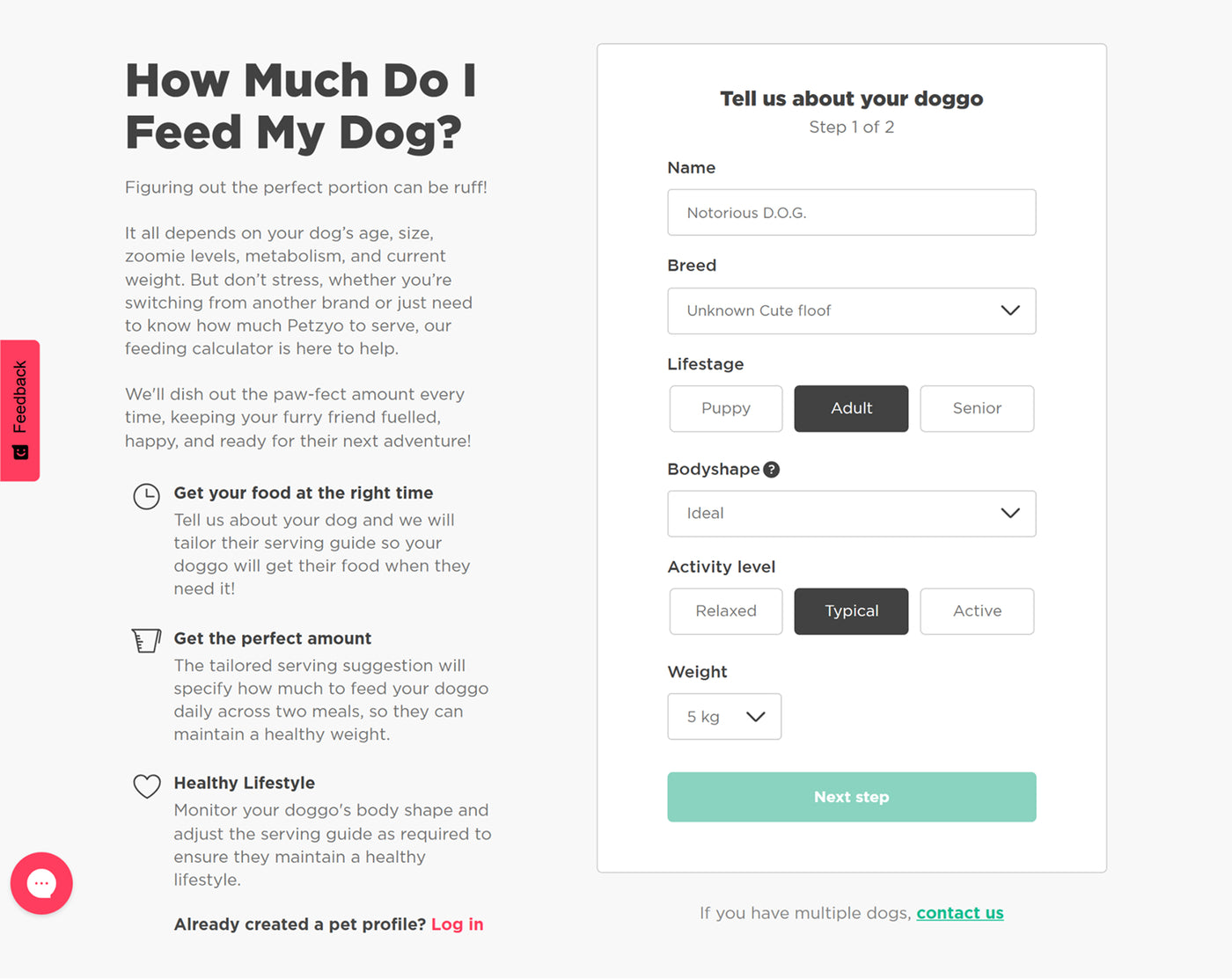
Big dogs need big fuel - but it’s not just about volume, it’s about quality. Feeding your Rottweiler right means supporting their joints, digestion, coat, and muscles with every meal.
Whether you're raising a rottweiler puppy, maintaining an active adult, or adjusting for a senior's needs, this section covers everything to keep your Rottie strong, lean, and thriving.
Feeding Guidelines (How Much Should a Rottweiler Eat Daily?)

How much should your Rottweiler eat? It depends on their age, size, and energy levels. These aren’t dainty dogs. They burn fuel fast, especially during growth or high activity.
Daily feeding amounts:
- Puppies (2-6 months): 3-4 meals per day
- Puppies (6-18 months): 2-3 meals per day
- Adults (18-24 months+): 2 meals per day
- Seniors: 2 smaller meals, adjusted for metabolism and weight
By weight for a typical Rottweiler:
- 30-35 kg: 2.5-3 cups per day
- 35-40 kg: 3-3.5 cups per day
- 40-45 kg: 3.5 to 4 cups per day
Always check the kcal per cup on your food label. Premium food usually requires less volume.
Best Dog Foods for Rottweilers: Raw Diet vs. Kibble
What’s better for your four-legged kiddo, a raw diet or premium kibble? Both have their place, depending on your dog’s needs, your lifestyle, and your budget. Here’s a straight-up comparison to help you decide:

A raw diet offers high quality real meat, organs, and bones that are highly digestible, especially for dogs with sensitive stomachs. It’s rich in protein and highly customisable, making it ideal for active dogs, picky eaters, or those with allergies. However, it requires more preparation, freezer or fridge space, and tends to be more expensive. Raw food also has a short shelf life, so proper storage is essential.

Kibble provides a convenient, scoop-and-serve option that fits busy lifestyles and multi-dog households. Its shelf life is long, and premium grain-free formulas can still deliver excellent digestibility and nutrition. While less customisable, you can enhance it with toppers or supplements. Kibble is also more budget-friendly and ensures a complete and balanced diet if you choose a vet-approved brand.
Our verdict? Many Aussie paw-rents go hybrid. Use high-protein dry food as the base and rotate raw meals or toppers a few times a week for variety, coat health, and taste.
- Morning: 1 scoop of Salmon & Ocean Fish (for the joint-boosting minerals).
- Dinner: A serving of Roo’s Clues Raw (for high-protein, low-fat satisfaction).
Based on our 12th most popular breed’s favorite bowls.
High-Performance Dry Food Recipes for Rottweilers.
Formulated to support heavy joints and lean muscle mass.
Fresh Raw "Royalty" for Active Rottweilers.
Biologically appropriate, high-protein meals for peak condition and gut health.
Ingredients to look for (and Why We Use Them)
Rottweilers require controlled portions of high-quality food due to their large size and breed-specific health risks. Look for dog food that consists of these key nutrients:

Probiotics: Rottweilers can have sensitive stomachs; we include gut-boosters in every bag to ensure "perfect poops."

Omega Fatty Acids: Essential for that iconic Rottweiler "jet-black" coat shine.

Green Lipped Mussel: Natural anti-inflammatory for hip support.
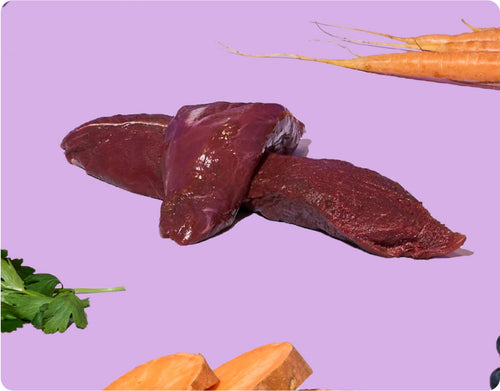
Human-grade animal-based proteins and whole grains
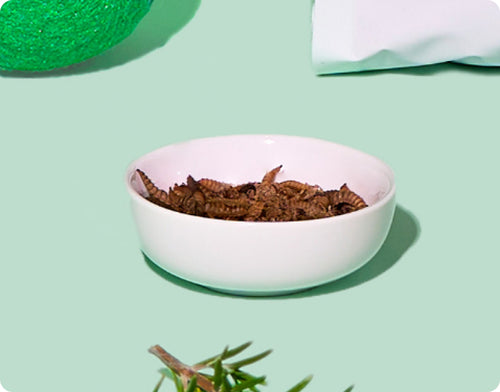
Glucosamine, Chondroitin, and Methylsulfonylmethane (MSM)
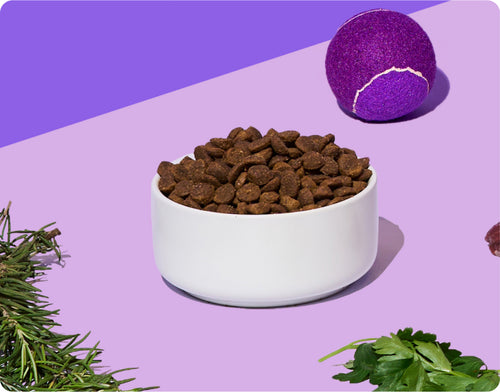
Free from dairy, wheat, soy, and corn.
Foods to Avoid
To reduce this life-threatening risk, owners should avoid specific human foods that are toxic or dangerous to their Rottie:

Chocolate
Contains theobromine, toxic to dogs

Grapes and raisins
Can cause kidney failure

Onions and garlic
Damage red blood cells

Xylitol
Can cause liver failure and insulin spikes
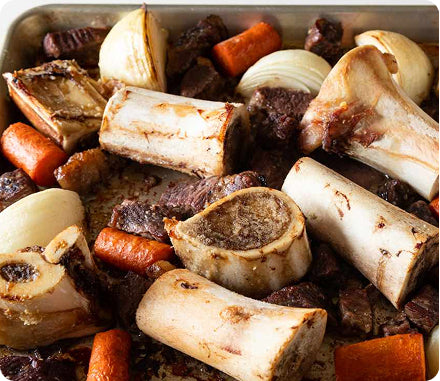
Cooked bones
Can splinter and cause internal damage

High-fat table scraps
May lead to pancreatitis

Avocado
Contains persin, mildly toxic to dogs
How to Prevent Obesity and Maintain Muscle Strength in Rottweilers
Rottweilers are built like bodybuilders, but that mass can turn into a health risk if not managed properly. Weight gain affects joints, heart health, and overall quality of life.
Top Causes of Obesity:
- Overfeeding
- Lack of exercise
- Poor-quality food
- Too many treats or scraps
Easy Prevention Tips:
- Measure meals using a standard cup.
- Feed based on condition, not just age.
- Limit treats to 10 per cent of daily intake
- Switch to a weight-control formula if needed.
Keep Those Muscles Working:
- Include daily walks and strength-based play (tug, hiking, incline work).
- Rotate between physical and mental enrichment (scent games, food puzzles).
- Use joint-support supplements if your vet recommends them (glucosamine, chondroitin)
Remember: All dog food chosen should be high-quality and approved by the Association of American Feed Control Officials (AAFCO) and European Pet Food Industry Federation (FEDIAF).
Shedding Amount
Drooling
Coat Grooming Needs
Trainability
Mental Stimulation Needs
Rottweiler Grooming & Care
Rottweilers have a short, double-layered coat that’s functional and fuss-free. The outer coat is coarse and straight, while the undercoat adds insulation, especially noticeable around the neck and thighs in cooler months.
Shedding? Yep, especially in spring and autumn. But it’s manageable with weekly brushing. They’re not hypoallergenic, and they do leave hair on furniture. But it’s nothing a rubber grooming mitt and a few minutes can’t fix.
How Often Should You Groom a Rottweiler?
Rottweilers don’t demand salon-level grooming, but their coat still benefits from structure and routine. The real value in grooming goes beyond keeping their coat neat; it’s your weekly health check-in. Lumps, cuts, grass seeds, skin changes, these are where you’ll find them first.
What matters more than frequency? Technique.
- Use grooming as a tool to check hips, hocks, and shoulders for stiffness or heat.
- Look closely at the base of the tail and under the belly, hidden spots where irritation often starts.
- Gently rub the coat with your hands before brushing; you’ll catch texture changes quicker this way.
Forget fur, grooming is about early detection. That’s where the real value lies.

Bathing and Skin Care (How Often Should a Rottweiler Be Washed?)
Overbathing dries the skin, underbathing invites odours. The sweet spot? When they smell or every 2 months. Whichever hits first.
But here’s where it gets breed-specific:
- Don’t scrub undercoat areas aggressively, especially thighs and around the neck. You’ll strip natural oils and mess with their insulation.
- Use warm, not hot water. Rotties are prone to dry skin, and heat makes it worse.
- Skip the fragrance-heavy shampoos. Stick to mild, skin-supporting formulas with oatmeal, aloe, or coconut base.
If your Rottweiler’s skin is dry, flaky, or hot to the touch post-bath, it’s not “just how they are.” It’s a sign their skin barrier’s compromised. Adjust products accordingly or talk to your vet.
Pro tip: Their coat should feel sleek, not squeaky, after bathing. That means the oils are still doing their job. A diet rich in omega-3s (like those in fish-based formulas) supports coat health and reduces shedding.
Training & Exercise Needs for Rottweiler
Rottweilers are strong, smart, and wired to work. That’s a powerful combo, but only if it’s pointed in the right direction. Training isn’t optional for this breed - it’s essential. And it starts the moment your Rottie baby comes home.
They’re not hard to train, but they are confident thinkers. That means they’ll test the rules, watch your reactions, and sometimes try to outsmart you. But with clear guidance, consistency, and a few meaty rewards, you’ll have a focused, respectful dog who knows how to keep it together at home and in the world.
How Much Exercise Does a Rottweiler Need?
Rottweilers need at least 1.5 to 2 hours of exercise every day. They’re high-energy dogs with serious muscle; skipping walks is not an option.
- Two daily walks: 30-45 minutes each
- Mental work: Puzzle toys, obedience drills, scent games
- Free play or off-lead time in secure areas
Age matters:
- Puppies need shorter bursts, mixed with naps.
- Adults need a consistent daily structure.
- Seniors need joint-friendly activities like swimming or gentle play.
Without enough stimulation, a Rottweiler will invent their own “fun,” usually involving something shredded or chewed. Keep their mind and body working, and you’ll have a calmer, more balanced dog.
How to Establish Leadership with a Rottweiler
Leadership isn’t about being loud or dominant. It’s about setting calm, consistent boundaries. Rottweilers respect structure. If you’re clear, confident, and fair, they’ll follow your lead without question.
What works:
- Consistency: Same rules, same responses, every day.
- Short commands: “Sit.” “Wait.” “Leave it.” No long chats.
- Tone matters: A calm, low-pitched voice works better than yelling.
- No mixed messages: If the couch is off-limits, it’s off-limits for everyone, always.
Skip the alpha-myths. Rotties aren’t trying to take over; they’re just smart enough to notice when no one’s steering the ship.

Managing Stubbornness and Dominance in Rottweilers
Yes, Rottweilers can be stubborn. Not because they’re trying to be difficult, but because they’re smart and self-assured. If something doesn’t make sense to them, they’ll pause and evaluate.
Here’s how to manage it:
- Make training rewarding: Use high-value treats, play, or praise.
- Don’t repeat commands: Say it once, then help them do it.
- Keep sessions short: 5–10 minutes is plenty. Quality over quantity.
- Be firm, not forceful: Gentle pressure works better than a power struggle.
- Catch the good stuff: Reward calm behaviour, not just commands.
Avoid nagging or shouting; it will just shut them down. Teach with patience, stay consistent, and you’ll get a dog who listens because they trust you.
How to Prevent Over-Protectiveness

Protectiveness is baked into the Rottweiler temperament. It’s part of what makes them brilliant guardians. But left unchecked, that instinct can slide into over-vigilance.
The fix? Early socialisation and clear signals from you.
- Start young: Introduce your fur baby to new people, kids, loud noises, and busy environments early and often.
- Stay neutral: Don’t coddle or “comfort” your Rottie when they bark at strangers; it reinforces their worry.
- Be the decision maker: If you’re calm, they stay quiet. If you’re tense, they’ll escalate.
- Use structured greetings: Teach a “sit and stay” when visitors come over. Reward calm behaviour only.
A well-socialised Rottweiler doesn’t lose their guarding instinct; they just learn when to use it, and when to chill.

Vet Bills
AUD $500 – $2,000+ annually
Food
AUD $100 – $250+ monthly

Grooming & Hygiene
AUD $150 – $350 annually

Pet Insurance
AUD $40 – $110+ monthly
Cost & Ownership Considerations
A Rottweiler isn’t just a pet; it’s a whole lifestyle. They eat like athletes, thrive on structured healthcare and training, and need enrichment and secure setups to stay balanced. Expect ongoing expenses that match a large, powerful, intelligent working breed.
How Much Does a Rottweiler Cost?
In Australia, reputable breeders may charge between $2,500 and $4,000 for a well-bred, health-tested Rottweiler puppy.
An American Rottweiler puppy typically costs around $1,500. A German Rottweiler is usually more expensive due to the strict breeding standards enforced by the ADRK. Prices generally range from $2,700 to $3,000, with an additional $500 shipping fee in some cases.
Ongoing Ownership Costs
Expect ongoing expenses that match a large, powerful, intelligent working breed.

Vet Bills
Estimated annual cost: AUD $500 – $2,000+ (May be higher if joint or heart issues develop)
Rottweilers are prone to hip and elbow dysplasia, heart conditions, and cruciate ligament injuries. Routine check-ups, vaccinations, dental care, and occasional emergency visits are all part of responsible ownership. Preventative care isn’t optional for this breed. A little vigilance now means a longer, stronger, tail-wagging life later.

Food
Estimated monthly cost: AUD $100 – $250+
Big frame. Big muscles. Big appetite. Rottweilers need high-quality food to support joints, digestion, and lean muscle. Raw, premium kibble, or a hybrid feeding style works well as long as nutrition stays balanced.
Cheap food might save dollars short-term, but you’ll pay for it in vet bills and mobility issues down the line.

Grooming & Hygiene
Estimated annual cost: AUD $150 – $350 (Higher if you use professional groomers regularly)
Rotties are low-maintenance, not “no-maintenance.” They need:
- Weekly brushing
- Ear checks
- Nail trims
- Occasional baths
Plus regular skin and coat checks to catch allergies or irritation early.

Pet Insurance
Estimated cost: AUD $40 – $110+ per month (Premiums can increase with age or premium cover)
This is a breed where insurance genuinely pays off. Orthopaedic surgeries and specialist treatments for cancer, cruciate injuries, or cardiac issues can cost thousands.
Choose a policy that covers:
- Hereditary and congenital issues
- Cruciate ligament injuries
- Cancer treatment
Insurance isn’t just recommended for Rotties; it’s smart planning. Owning a Rottweiler isn’t cheap, but for the right family, every dollar turns into loyalty, protection, and a whole lot of love sprawled across your couch.
Note: These ranges are based on typical Australian costs for breeds. Factors like location, age, and health influence individual expenses.
Living with a Rottweiler
Living with a Rottweiler means living with a shadow that follows you from room to room, a foot warmer with a body like a brick, and a protector who takes their job seriously - even if their biggest threat is the postman.
These dogs thrive on routine, connection, and space to stretch those powerful legs. But don’t be fooled by the size, it’s not about square footage. It’s about structure, stimulation, and keeping them close.

Can Rottweilers Live in Apartments? Space Considerations
Yes, but only with the right setup and commitment. Despite their size, Rottweilers can adapt to apartment living, but it takes effort. These dogs thrive on routine, connection, and purpose. Without a daily structure, they’ll get restless and noisy fast.
Apartment living works when:
- They get 90-120 minutes of daily exercise
- You commit to mental stimulation (training, puzzles, enrichment toys)
- They’re not left alone for long hours.
- Boundaries are in place for barking or pacing.
Not ideal if:
- You can’t commit to daily walks.
- You’re rarely home.
- Neighbours complain about the noise.
- You rely on a backyard to do the heavy lifting.
Rottweilers can thrive in a small space if they’re mentally and physically fulfilled. A tired Rottie is a chilled-out Rottie even in a one-bedroom flat.
How Do Rottweilers Handle Hot and Cold Weather?
Built for cooler temps - but not the Aussie summer. Rottweilers have a dense, double-layered coat that gives them decent insulation in winter. But in the heat? That black coat holds warmth, and their large frame means they can overheat quickly.
Hot weather care:
- Walk early mornings or late evenings.
- Avoid direct sun during midday.
- Always provide cool water and shade.
- Never leave them in the car, even for 5 minutes.
Cold weather care:
- They tolerate cold better than heat.
- In extreme cold, use a light dog coat for comfort.
- Watch for ice forming between paw pads in frosty climates.
Rottweilers love being outdoors, but your job is to make sure the environment matches their limits.

Traveling with a Rottweiler
Yes, they can travel, but you’ll need to plan. Rottweilers are emotionally bonded dogs. They do well on the road as long as you’re there and routines stay predictable.
Travel tips:
- Use a secure crate or harness in the car.
- Take frequent breaks on long trips.
- Bring familiar bedding or toys.
- Stick to regular mealtimes and toilet breaks.
- Confirm pet-friendly accommodation before booking.
Common hiccups:
- Some Rotties get car sick. Ask your vet for support.
- New places can make them over-alert, bring them down with calm commands, and structure.
- Air travel isn’t ideal unless absolutely necessary.