Petzyo Top Breed Guide
Belgian Malinois

QUICK FACTS
Height: 56-66 cm
Weight: 20-35 kg
Lifespan: 12-14 years
Coat Type: Short and straight
Colour Variations: Fawn with black mask, mahogany, occasionally sable
Energy Level: High
Grooming Needs: Low to moderate - weekly brushing
- Breed Overview
- Physical & Appearance
- Personality
- Health & Diet
- Grooming & Care
- Cost & Ownership
Belgian Malinois Dog Breed History
To truly understand the Belgian Malinois, you need to go back to where it all began. This breed wasn’t shaped by accident, it was forged through generations of hard work, purpose, and precision. From its humble origins in Europe to its rise as one of the world’s most respected working dogs, the Malinois has followed a path few breeds can match. But its history isn’t just about where it came from, it’s also about how the world sees it today.
Origins Of the Belgian Malinois Dog
The Belgian Malinois (pronounced mal-in-wah) is a high-drive working dog originally developed in the city of Malines (Mechelen), Belgium, during the late 1800s. It’s one of four closely related Belgian herding breeds, along with the Tervuren, Laekenois, and Groenendael, but the Malinois quickly stood out for its speed, stamina, sharp intelligence, and unshakable focus. These traits made it a favourite among farmers and herders and eventually, police and military units worldwide.

This breed was originally bred to herd and protect livestock and was prized for its ability to think independently while staying intensely loyal to its handler. Belgian farmers valued them not only for their herding instincts but also for their fierce work ethic and natural guarding abilities. By the early 1900s, their reputation spread beyond Belgium, and they began serving in law enforcement and military operations, a legacy that continues today.
Official breed standards from the Australian National Kennel Council (ANKC) and other global kennel clubs recognise the Belgian Malinois as its own breed, with a unique set of traits, including a square, athletic build and an intense, alert expression. Here in Australia, the Malinois has found its way into specialised roles in K9 units, border patrol, search and rescue, and protection sports, where its energy and trainability truly shine.
Belgian Malinois as a Police & Military Dog
The Belgian Malinois is one of the most widely used working breeds in law enforcement and defence units worldwide. Their athletic build, intense focus, and quick reflexes make them ideal for roles that demand speed, precision, and control.
Spotlight: Manic – Australia’s $8 Special Forces Legend
Manic wasn’t bred for fame, but he earned it. Rescued from a Queensland shelter for just eight dollars, this Belgian Malinois went on to become one of Australia’s most decorated Special Forces dogs. Nicknamed “The $8 Dog,” Manic served in elite operations and became a national symbol of courage, grit, and heart.
His story proves that it’s not just pedigree that matters, it’s the drive, spirit, and bond with the right handler that truly unlock a Malinois’s potential.
Why Are Belgian Malinois Used in Law Enforcement?
Malinois are favoured by police and tactical units because they’re fast, highly trainable, and thrive under pressure. They respond instantly to commands and stay focused even in chaotic environments, where obedience and timing are everything.
Compared to the German Shepherd, the Malinois is lighter, more agile, and often better suited for tight spaces or high-speed pursuits. You’ll often find them deployed for:
- Explosives and narcotics detection
- Suspect apprehension
- Patrol and crowd control
- Search and rescue operations
Where Are They Used?
In Australia, the Belgian Malinois plays a key role in elite units:
- The Australian Defence Force uses them for explosive detection
- The Australian Federal Police trains them for tactical response operations
Globally, they’ve earned an elite reputation with units such as:
- The United States Secret Service
- U.S. Navy SEALs, including the historic 2011 raid on Osama bin Laden, where a Belgian Malinois named Cairo helped with threat detection and perimeter control
Why They Excel in the Field
- Lean, athletic build reduces joint strain and supports long-term performance
- Steady focus and quick recovery make them reliable in high-stress scenarios
- High drive with sharp control, they move fast, but they’re not reckless
With proper training and purpose, Belgian Malinois don’t just follow commands, they lead missions. When every second counts, that kind of instinct and control is what sets them apart.
Malinois Breed Modern Perception and Popularity
You’ve probably seen a Malinois in action without even realising it, maybe in military footage, a police K9 unit, or one of those jaw-dropping dog sport videos online. Though often mistaken for the German Shepherd due to similar colouring and build, the Belgian Malinois is a distinct breed. It’s leaner, faster, and more agile, with a temperament that demands more structure and purpose.

While German Shepherds were originally bred for versatility, Malinois were laser-focused from the start: they were built to work hard and think fast, all day long.
In recent years, the Malinois has seen a sharp rise in popularity, even here in Australia. Google Trends data shows more Aussies researching the breed than ever before, especially after seeing them in action with military units, security teams, or viral dog sport videos online.
But with that popularity comes confusion, and sometimes, unrealistic expectations. Many people see a heroic working dog on TikTok or YouTube and assume a Malinois will make a great pet. While they can be wonderful companions, they require an experienced owner, a clear job, and lots of mental and physical stimulation to thrive.
In short, the Belgian Malinois has always been a breed built for purpose. And if you’re thinking of welcoming one into your life, it all starts with respecting that history.
BREED SUMMARY
Often described as the "Ferrari" of the canine world, the Belgian Malinois is a medium-sized herding breed renowned for its unparalleled intelligence, athleticism, and intensity. They are generally a low-maintenance, robust, and healthy breed with a lifespan of 14 to 16 years.
While they bear a physical resemblance to the German Shepherd, Malinois are lighter, faster, and possess a significantly higher drive. These dogs are affectionate and fiercely loyal "Velcro" companions who bond deeply with their handlers. However, the Malinois is not a typical house pet and is often described as a "lifestyle breed" rather than a hobby.
They require a committed, experienced owner who can provide hours of vigorous physical exercise and complex mental stimulation every day; without a specific "job" to do, a Malinois can quickly become destructive and neurotic.
Belgian Malinois are high-performance athletes with rapid metabolisms, so the quality of their nutrition matters just as much as the format. Many K9 units, sport handlers, and working-line breeders favour a biologically appropriate raw diet (BARF), as it mirrors what an active, muscular dog is naturally built to process. Regardless of whether you feed raw or high-grade kibble, the diet must be complete, balanced, and backed by an AAFCO nutritional adequacy statement to ensure it meets all essential requirements.
FAQs About Belgian Malinois
Are Belgian Malinois good for first-time dog owners?
No. The Belgian Malinois is not suitable for most first-time owners. While they can be excellent family dogs in the right environment, their high working drive, sensitivity, and need for structured training make them challenging for inexperienced handlers.
What is the difference between a Malinois and a German Shepherd (GSD)?
The Belgian Malinois is leaner, faster, and more agile than the German Shepherd. They mature mentally earlier, have a sharper work drive, and require more mental stimulation. German Shepherds are versatile, steadier, and often more forgiving for novice handlers. Malinois are built for nonstop work and are generally more intense, while GSDs tend to have a calmer, more balanced temperament.
Can a Belgian Malinois live in an apartment?
Technically yes, but it is extremely difficult. Apartment living only works if the dog receives several hours of structured exercise and mental work every single day, plus professional-level training. Without that, frustration, reactivity, and destructive behaviour are almost guaranteed.
Do they shed and drool?
Yes, they shed. Malinois have a short double coat, and they shed moderately year-round with heavier seasonal shedding in autumn and spring. Weekly brushing usually keeps it under control.
Drooling is minimal. They are not heavy droolers, especially compared to larger working breeds.
How much exercise do they actually need?
Belgian Malinois need 90 minutes to 2+ hours of structured activity daily, split across both physical and mental work.
Physical exercise, such as sprinting, fetch or frisbee, jogging, agility or obedience drills, and mental stimulation, can include trick training, scent games, problem-solving tasks, and structured obedience sessions.
Coat type
Coat length
Physical Traits & Appearance of the Belgian Malinois
The Belgian Malinois has a lean, athletic frame built for fast, precise movement. Their alert stance and quick reactions make them well-suited to Australian K9 work, herding roles, and agility sports. They’re light on their feet, with defined muscle tone and a balanced body shape that supports endurance and long working hours.
Their short coat, black mask, and focused expression give them a recognisable working-dog look. Every feature is practical and linked to their history as a herding and protection breed.
Size, Build & Body Structure
Belgian Malinois are medium-to-large herding dogs with a square, athletic outline. Their build is designed for speed, stamina, and precise movement, which is why they’re often chosen for demanding roles across Australia.
Key physical traits include:
Height:
- Males: around 61–66 cm
- Females: around 56–61 cm
Weight: Typically 20–35 kg, depending on sex and muscle condition
Body Shape: Equal height and length, firm muscle tone, and a straight, strong back
Movement: Quick, efficient strides with excellent balance and agility
Their overall structure allows them to perform well in herding, agility, scent work, and police or security roles, all activities where endurance and precision matter.
Coat, Colours, and Distinctive Features
Recognised by Dogs Australia and the ANKC, the Belgian Malinois has a short, straight, weather-resistant double coat. While the breed doesn’t come in a wide range of colours, the standard shades all align with its working background. Their coat is built for function, with a short topcoat and dense undercoat that protect them during active work.

Fawn
Light tan to deep, warm fawn

Mahogany
Rich reddish-brown shades

Sable (Fawn Sable)
Lighter coat with darker-tipped hairs
Note: There are no recognised “rare colours” in this breed; the focus is on a healthy coat and correct working-dog features.

Black Mask
Required in the breed standard

Black Ears
Upright and solid in colour

Dark Overlay
Soft black shading on the back and shoulders
Types of Belgian Shepherds Explained
There’s often confusion between the Belgian Malinois and other Belgian Shepherd breeds, and it’s easy to see why. They come from the same herding roots, share similar body shapes, and can all be sharp, driven dogs. But there are key differences in coat, personality, and working style. Knowing this can help you understand why the Malinois stands apart.

Belgian Malinois
Short coat. High instinct. Always alert. The Malinois is the herding dog of the group, known for its speed, focus, and intensity. Needs experienced handling and a job to do.

Belgian Tervuren
Long coat with a black overlay. Still highly active, but slightly softer in temperament than the Malinois. Strong herding instincts. Suitable for an owner who can provide structure, training, and mental challenges.

Belgian Laekenois
Rough, wiry coat and the rarest type. Traditionally used for guarding livestock. More laid-back than the Malinois but still needs daily activity. Not often seen in Australia.

Belgian Groenendael (Belgian Sheepdog)
Long-haired and solid black. Loyal and protective. More reserved than the Malinois, but still active and intelligent. Popular with owners as a versatile family dog with guarding instincts.
Belgian Malinois vs. Other Belgian Dog Breeds
While all four Belgian Shepherds share working roots, each one brings its own flavour. The Malinois is built for non-stop action, while the others lean into steadier, more manageable energy.
Tervurens share that drive but tend to be a little more adaptable, making them easier for experienced homes that want structure without the full throttle. The Laekenois is more independent, bred for livestock work with a sturdy, no-fuss nature. The Groenendael offers a calmer presence, protective, loyal, and best when mentally engaged, but not constantly on edge.
If you're torn between these Belgian breeds, focus less on potential and more on what kind of temperament and routine you can genuinely manage, day in, day out.
How Belgian Malinois Compare to Other Working Breeds
Malinois often get lumped in with German Shepherds, Dutch Shepherds, or Rottweilers, and while they all work hard, they don’t work the same. Here’s how they stack up side by side.

If you want a dog that matches your pace, pushes you to stay consistent, and never really clocks out, the Malinois delivers.
For those wanting similar loyalty and capability with a more measured intensity, a Rottie or GSD might be a better match. It all comes down to your experience, lifestyle, and how much structure you’re ready to give.
Affectionate with family
Good with kids
Social doggos
Playfulness
Belgian Malinois Temperament & Personality
Belgian Malinois are switched-on, loyal, and purpose-driven. They’re bred to focus hard and move fast, and that makes them excellent herding dogs in the right hands. But if they don’t get enough direction, they’ll start calling the shots, and that’s when the trouble begins.
These dogs are often bonded to one person more than the whole household. Without clear boundaries and consistent routines, their sharp minds can slip into overdrive, leading to anxiety, chewing, digging, or obsessive behaviours.

Belgian Malinois Temperament
The Belgian Malinois is not your average dog, and its temperament is a big reason why the breed is high-energy, fiercely intelligent, and built to work. Always alert and eager to engage, Malinois thrive when they have a job to do and someone to guide them with a clear purpose and structure.
Compared to other working breeds like the German Shepherd, which is more versatile and can be slightly more forgiving of novice handlers, the Malinois is sharper and demands more from their people. The Dutch Shepherd shares similar energy levels, but many handlers find the Malinois to be the most driven of the three.
According to breed standards and decades of feedback from trainers and K9 professionals, the Malinois is naturally confident, watchful, and loyal, perfect traits for military, police, and protection work. But that same drive can easily turn into frustration if not properly managed. These dogs need early socialisation, consistent training, and most importantly, daily physical and mental challenges.
K9 trainers and canine behaviourists agree: give a Malinois structure and something to focus on, and they’ll shine. But leave them bored or under-stimulated, and they’ll find their own ways to burn energy, and you may not love the results.
The Belgian Malinois is a breed of incredible potential- but its temperament is best suited to experienced owners who can channel its instincts into meaningful work and strong human-dog bonds.
Are Belgian Malinois Good for Families?
They can be, but it really depends on the family. Belgian Malinois are incredibly loyal, protective, and intelligent, which can make them wonderful companions. But they’re also packed with energy, have a strong prey drive, and need a ton of structure and stimulation.
If you’re an experienced dog owner with an active lifestyle and the time to train and engage with your dog daily, a Malinois can thrive in a family setting. But without clear leadership and early socialisation, they can become overwhelmed or overly reactive, especially around young kids or other pets.
They’re not the easiest family dog, but for the right home, they can be a fiercely loyal and rewarding addition.
Behaviour Challenges in Belgian Malinois
Belgian Malinois are quick thinkers with plenty of energy, and this can lead to a few behaviour hurdles if their day lacks structure. They rely on clear routines to feel secure, and without consistent guidance, their natural enthusiasm can become difficult to manage. Creating a stable environment helps them stay focused, feel settled, and understand what’s expected of them as they grow and learn.
Hard Time Calming Down at Home
This breed stays alert even after exercise, which makes it harder for them to switch from active mode to rest. Their nervous system is naturally primed for movement and quick reactions, a trait developed through generations of herding and protection work.
At home, this can show up as pacing, following people from room to room, or struggling to settle during quiet periods. Consistent daily routines and planned downtime help teach them that rest is part of their day, not something unpredictable or stressful.
Strong Reactions and High Energy Levels
Fast movement, unfamiliar sounds, and sudden changes in the environment can trigger quick responses in this breed due to their strong prey drive and working-dog background. These reactions are instinctive, not disobedient; the breed was developed to make rapid decisions during herding and security tasks. In modern homes, this can appear as pulling on the lead, chasing wildlife, or focusing intensely on distractions.
Steady training, early socialisation, and clear boundaries help them manage these instincts and stay controlled in everyday situations.
Belgian Malinois Lifespan & Common Health Issues

Puppy
0 - 1 years

Adult
1 - 8 years

Senior
8+ years
The Belgian Malinois is a tough, high-performance breed built for endurance, and that often shows in their overall health. With proper care, most Malinois live between 12 to 14 years, which is impressive for a large, high-energy dog.
But like any hardworking dog, they come with a few health considerations. Understanding potential risks early can help you prevent problems, reduce vet bills, and ensure your Malinois stays active and healthy for years to come.
Belgian Shepherd Life Expectancy
Belgian Malinois live around 12 to 14 years, which is longer than some other herding dogs like the German Shepherd. That’s partly thanks to their lighter build and robust joints, which means fewer early breakdowns.
Compared to the other Shepherds, the Belgian tends to stay active longer. However, how long they live depends on more than just genetics. Diet, exercise, joint care, and regular vet checks all add up.
Common Health Problems in Belgian Malinois
Not every Malinois will deal with these problems. But if you’re living with one or thinking of bringing one home, it’s good to know what might come up.
1. Bloat/Gastric Dilation and Volvulus (GDV)
A life-threatening bloat and twisting of the stomach. Look for sudden unproductive retching, discomfort, collapse, and a distended abdomen. Seek emergency vet attention.
2. Hip Dysplasia
The ball-and-socket joint doesn't form properly. Symptoms include limping, stiffness, slow to get up. Screening X-rays early in life can guide management.
3. PRA (Retinal Atrophy)
Eye disease that leads to vision loss. Symptoms include bumping into things, cloudy eyes, poor night vision.
4. Epilepsy
Seizure condition with genetic links in the breed. Symptoms include sudden shaking, confusion, and collapse.
5. Elbow Dysplasia
Joint damage in the front legs. Symptoms include uneven walk, front-leg lameness after activity.
6. Pannus
Autoimmune eye condition is common in shepherds. Symptoms include red eyes, discharge, and squinting.
7. Atopy (Skin condition)
Sensitivities to the environment or dietary intolerances. Look for itching, ear infections, and licking paws.
Belgian Malinois Nutrition & Feeding Guide
If you’ve got a Belgian Malinois, you already know they don’t believe in taking it easy. What you feed them plays a huge role in how well they perform, recover, and age. It’s not just about how much they eat, it’s about quality ingredients that fuel their energy, protect their joints, and keep their gut happy.
As your dog grows, trains, or slows down with age, their nutritional needs will change. A well-balanced diet helps them stay lean, focused, and active, without digestive issues or unnecessary weight gain.
Best Diet for a Belgian Malinois
The best diet for a Belgian Malinois is one that is high-quality, certified, and tailored specifically to the individual dog's needs by a veterinarian. Start with food that’s based on real meat. Some Malinois have sensitivities to certain proteins or additives. So look for food that has:
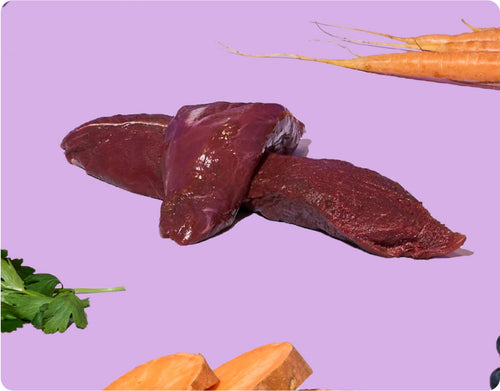
High animal-based protein
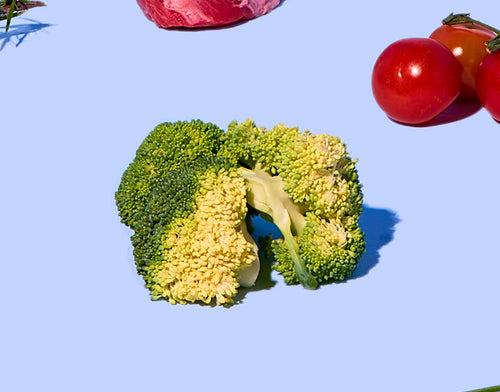
Complete and well-balanced diet with probiotics and fibre

Omega-3 fatty acids (fish oil/salmon oil)
Glucosamine & Chondroitin
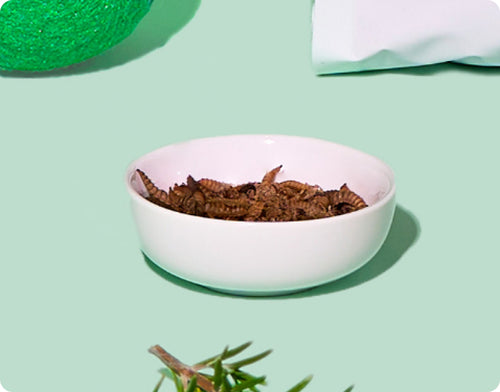
Necessary vitamins and minerals
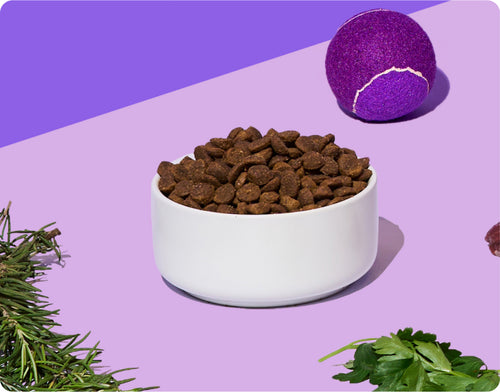
Free from dairy, wheat, soy, and corn.
Kangaroo, salmon, or lamb are excellent for high-performance dogs. Avoid filler-heavy formulas or grain-packed kibble, which often cause more issues than benefits. Some Malinois have sensitivities to certain proteins or additives. If you notice signs like loose stools, itchy skin, or hyperactivity after meals, try switching to a limited-ingredient, single-protein formula and monitor how they respond.

Raw dog food recipes are nutritionally complete and balanced, thanks to careful formulation alongside Board Certified Veterinary Nutritionists. Using human-grade ingredients, frozen and delivered through a secure cold chain process, raw food can provide optimal nutrition and support your dog’s health.

Raw diets can work if done properly, but they require careful planning and balance. Dry Dog Food is more convenient and, if designed for active or working dogs, can provide the right mix of protein, fat, and micronutrients. Ultimately, it’s not about raw vs. dry - it’s about choosing high-quality food that meets your dog’s energy needs.
Foods to Avoid
Many well-meaning dog parents accidentally feed their Frenchies harmful foods. Avoid feeding your French Bulldog:
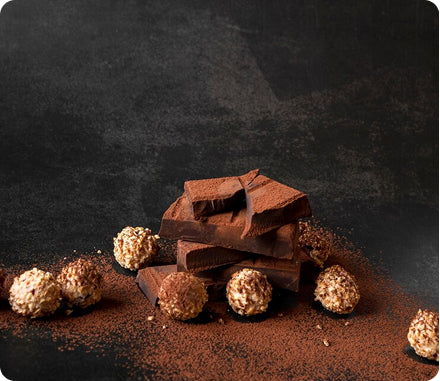
Chocolate
Contains theobromine, toxic to dogs
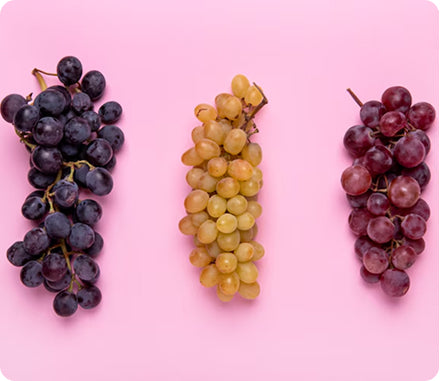
Grapes and raisins
Can cause kidney failure
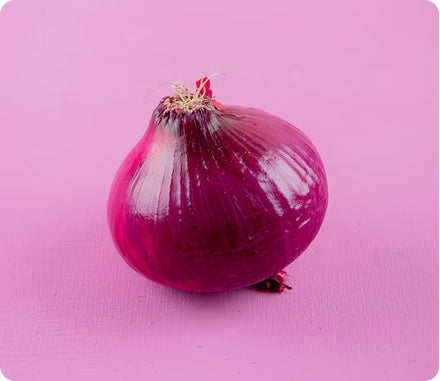
Onions and garlic
Damage red blood cells
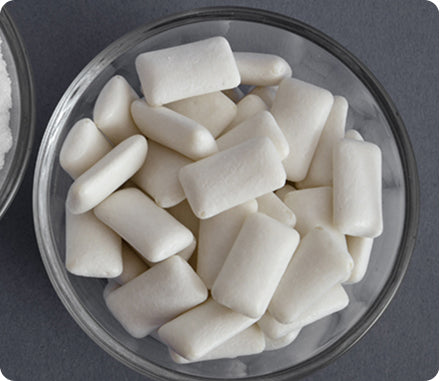
Xylitol
Can cause liver failure and insulin spikes
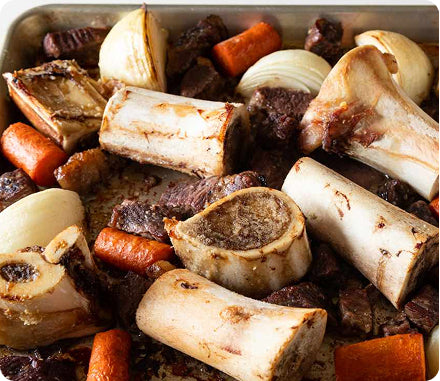
Cooked bones
Can splinter and cause internal damage
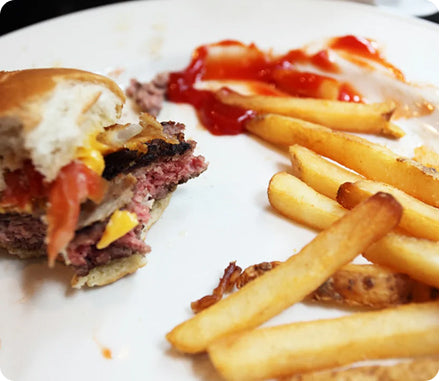
High-fat table scraps
May lead to pancreatitis

Life-Stage Feeding Guidelines
Puppies
Feed 3 meals a day using a large-breed puppy formula to support steady growth. Avoid fast weight gain, it can lead to joint problems down the road.
Adults
Most adult Malinois do well on two meals a day. Dogs in active training or daily work may need more. Adjust portion sizes based on body condition, not just age. You’re aiming for lean and agile, not bulky.
Seniors
Older Malinois still need good protein, but with fewer calories. Lighter meals support digestion and reduce stress on joints. Monitor their weight closely, it’s easier for them to put it on once their activity level slows down.
Because the Belgian Malinois is a high-octane working machine, you cannot feed it generic supermarket dog food. Malinois maintain their best health and performance when kept lean. A balanced, complete diet rich in protein and healthy fats supports muscle tone while preventing unnecessary weight gain that can strain joints and reduce working ability. So always measure every meal before feeding to prevent accidental overfeeding and maintain a healthy body condition.
Shedding Amount
Drooling
Coat Grooming Needs
Trainability
Mental Stimulation Needs
Belgian Malinois Grooming & Maintenance
The Malinois coat is short, tight, and produced for work. It handles weather, dust, and the kind of daily rough-and-tumble these dogs were bred for. Most Malinois are fawn or tan with black faces and dark ears.
Coat Type
Malinois have a double coat, a soft insulating undercoat beneath a tougher, weather-resistant topcoat. This combo keeps them warm in the cold and helps regulate their body temperature when they're active or working in tough environments.
You might see someone confuse them with a Tervuren or Groenendael. Those types of Belgian Shepherds have longer coats and need a bit more upkeep. The Malinois is easier to manage, as long as you stay on top of shedding.

Grooming Routine
You don’t need a full grooming setup for a Malinois. A quick brush once a week usually does the job. When the seasons change and their undercoat starts shedding, brushing every few days can help control the mess and keep their coat looking sharp.
Baths? Only when they need one. Over-washing can dry out their skin. As with any active breed, it’s smart to stay on top of nail trims, ear checks, and dental care as part of your regular routine.
Feeding a diet rich in Omega 6 & 3 in optimal ratios supports a healthy skin barrier function, helping to reduce dryness and can extend the time needed between baths for dogs.
Shedding and Coat Care
Yes, Malinois shed, especially during seasonal changes, and when that undercoat comes loose, you'll notice. While they don’t shed as heavily as long-haired breeds, it’s enough to warrant regular grooming.
If you notice a dull coat or itchy skin, diet is often the first thing to check. Adding Omega-3s from salmon and fish, or flaxseed-based foods can make a big difference. You don’t need to overdo it. Just make sure what they’re eating gives their coat what it needs to stay healthy through an optimal omega-6:3 ratio.
Training & Exercise Needs for Belgian Malinois
The Belgian Malinois has some of the most demanding training and exercise needs of any dog breed. Their extreme work drive, intelligence, and intensity set them apart as world-class working dogs, and only dedicated, experienced owners can meet the level of structure they require. Without a full daily schedule of physical and mental activity, this breed deteriorates quickly.
How Much Exercise Do Belgian Malinois Need?
The Belgian Malinois needs 90 minutes to 2+ hours of structured activity every day, split between intense physical exercise and targeted mental stimulation. A casual walk around the block is just a warm-up. They need sprinting, problem-solving, and engagement with their handler. Without both physical and mental outlets, they become frustrated, destructive, or neurotic.
- Physical exercise: 60-120 minutes of high-intensity work
- Mental stimulation: 30-60 minutes of training or scent work
Best Exercises for Belgian Shepherds
To meet their physical requirements, include these in their routine:

High-Intensity Cardio
- Fast fetch with a Chuck-It or frisbee
- Sprinting drills
- Running or biking (once fully grown)
- Swimming or dock diving
Agility & Coordination Work
- Jump grids
- Balance work
- Obstacle navigation
Working-Style Activities
- Flirt pole sessions for prey-drive fulfilment
- Tug and controlled chase
- Structured heelwork during movement
Training Tips for Belgian Malinois
A Belgian Malinois does best in a home where training isn’t an event; it’s a lifestyle. Training must be proactive, consistent, and part of daily life. It’s not just about running them, it’s about working their brain just as hard as their body.
- Start early: Socialisation and obedience foundations should begin at 8 weeks.
- Use short, intense sessions: 30-45 minutes of focused training is more effective than long, unfocused practice.
- Build impulse control: Teach “Place,” “Out,” and calm behaviours from day one.
- Reward engagement: Make yourself more interesting than the environment using food, toys, and movement.
- Rotate jobs: Alternate between obedience, scent work, tricks, and cardio to prevent boredom.
- Work for meals: Use kibble during training or in puzzle feeders to channel energy constructively.
- Seek professional support: Trainers familiar with working-line dogs can guide structure, drive control, and safety.

Vet Bills
AUD $400 - $2000 annually

Food
AUD $1,200 - $1,800 annually

Grooming & Hygiene
AUD $300 - $400 annually

Pet Insurance
AUD $700 - $1500 annually
Belgian Malinois Cost and Ownership Expenses
Owning a Belgian Malinois involves both initial and ongoing expenses. These dogs require significant time, training, and appropriate gear. Here’s what to expect upfront and what keeps adding up over time.
How much does a Belgian Malinois cost?
On average, a purebred Belgian Malinois puppy can cost from $2,000 to $3,500 AUD. The price can vary widely based on several factors, including bloodlines, age, and specialised training provided to the breed.
- From breeders: Ranges from $2,000 to $3,500 AUD. Prices vary depending on pedigree, breeder reputation, and location.
- From working dog breeders (titled lines): Can cost up to $5,000 AUD. Dogs from protection or sporting bloodlines often cost more due to training potential and health screening.
- Adoption or rescue: Ranges from $300 to $700 AUD. Adoption fees vary depending on the organisation and the dog's age and health status.
Ongoing Expenses
Beyond the initial purchase price, the required intensive training and lifestyle maintenance for this breed can significantly increase the total financial investment.

Vet Bills
- Estimated Annual Vet Costs: AUD $400 to $2000
Includes things like annual check-ups, vaccinations, dental cleans, and tick/flea/worm/heartworm control, joint supplements. - Preventative Vet costs: X-rays to screen for early hip dysplasia cost around $1500, and preventative surgery to reduce the risk of stomach twisting (bloat/GDV) ranges from $1500 to $3500.

Food
Estimated Monthly Food Cost: AUD $100 to $150
High-quality, moderate-protein diets suitable for active breeds can cost around $1,200 to $1,800 annually.

Grooming & Hygiene
- Estimated Annual Grooming Cost: AUD $300 - $400 (if done at home, more with professional grooming)
- Training: $800 to $2,000+ annually. Initial obedience training, plus specialised training for protection or sports, can vary widely.
- Gear: $300+ in the first year. Includes items such as durable leads, harnesses, puzzle toys, and agility equipment.

Pet Insurance
Estimated Monthly Insurance Cost: AUD $60 to $120
Premiums depend on coverage level and provider.
Malinois often need extra investment in enrichment - chew toys don’t last long, and training isn't optional. They’ll make their own entertainment if you don’t give them enough to do, and that’s where damage (and costs) can add up fast.
Costs are approximate and should be used as a general guide, not a fixed expectation for every Malinios.
How to Choose a Belgian Malinois Puppy or Rescue
Going through a breeder? Look for:
- Health clearances for hips (e.g. PennHip or CHED scores), elbows (scores from parents), and eyes (genetic testing for PRA)
- Parents who look healthy, robust, happy and calm
- Pups raised with daily human contact and mental stimulation
- A breeder who asks questions about your experience and setup
- A breeder who is open and informative about the possible health conditions that can affect Belgian Shepherds, such as bloat
- Dogs matched to owners based on drive and suitability, not looks
Good breeders will screen for these issues thoroughly. Always ask for documentation from certified PennHip scorers and trusted bodies like the Orthopaedic Foundation for Animals (OFA) or Dogs Australia Radiologist Panel before making any commitments.
Considering Belgian Malinois puppy adoption? Make sure you:
- Ask why the dog was surrendered and how it’s been handled
- Request a veterinary history, and have an examination performed by your own trusted vet
- Get honest info about reactivity, training history, and triggers
- Start crate training and structured routines from day one
- Use calm reinforcement, not just exercise, to manage energy
Final Thoughts on the Belgian Malinois

Most people want a dog that fits into their lives. The Malinois is the kind of dog that reshapes things around it.
They’re smart, fast, and intense. It’s not occasional. It’s constant. This isn’t a part-time commitment. You’re either all in, or it unravels. If they’re bored, they’ll create problems. If they’re underworked, they’ll burn out or blow up. It’s not that they’re hard. They just expect you to keep up.
If you’re active and clear-headed, if you’ve raised working dogs or know how to train with purpose, they’ll give you everything. They learn fast, they focus hard, and they don’t check out when things get hard.
But if you're not ready with structure, food that fuels them properly, and a routine that keeps up, it’ll go sideways quickly. Doesn’t matter if they’re a puppy from a breeder or a rescue with baggage - they still need the same thing: a plan.
Don’t choose this breed because you like the idea of them. Choose them because you’re ready to actually live with one.